
Watering
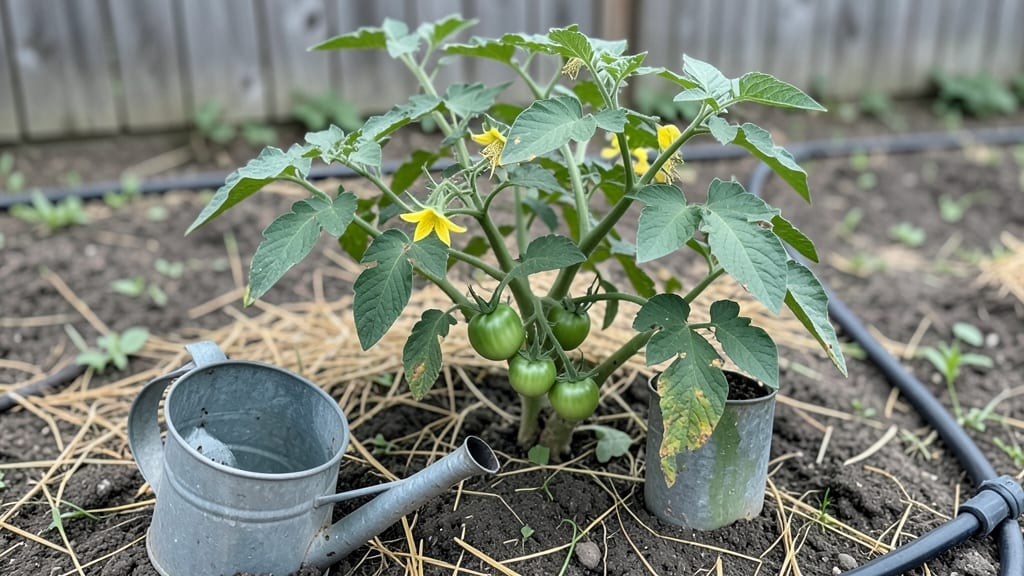
Watering your vegetable garden isn't just about keeping soil damp—it's the difference between lush, productive plants and sad, struggling ones that bolt or wilt. I learned this the hard way after my zucchini plants turned bitter and my tomatoes cracked open like overripe melons.
The right approach means deeper roots, sweeter flavors, and fewer pests sneaking in when plants are stressed.
Most gardeners overdo it, drowning roots and inviting fungal diseases, or underestimate how much water vegetables really need. A soaker hose or drip irrigation system delivers water right at the roots where it matters, saving time and keeping leaves dry.
Check soil moisture by sticking your finger an inch down—if it's dry, it's time to water. Early morning is the best time to water, giving plants a full day to absorb moisture before the heat of afternoon.
Leafy greens like lettuce and spinach stay crisp with frequent, shallow watering, while root crops like carrots and potatoes need deep, infrequent soaks to grow straight and strong. Mulch keeps moisture locked in, cutting water use by up to 30%, and helps prevent soil from crusting over after rain.
The key is consistency—plants thrive when they get the same amount of water every week, rain or shine.
Troubleshooting starts with the soil: yellowing leaves often mean too much water, while crispy edges signal thirst. Adjust based on the season—summer gardens need more frequent watering, while winter crops might only need a drink every few weeks.
With these precision techniques, you'll grow vegetables that taste like they came from a farmer's market, not a struggling backyard plot.
📚 In This Guide
- What you need
- Instructions
- Tips and common mistakes
- Wrapping up and next steps
What you need
- ● Watering Can: 1–2 galvanized or plastic cans (3–5 gallons each) with a rose attachment for gentle, targeted watering.
- ● Hose with Adjustable Nozzle: 1 (¼" or ⅜" diameter) with a showerhead or soaker setting for even coverage.
- ○ Drip Irrigation Kit (Optional but Recommended): 1–2 sets (includes tubing, emitters, and timers) for efficiency and consistency.
- ● Watering Wand or Spray Nozzle: 1 (for hard-to-reach areas or seedlings).
- ○ Moisture Meter (Optional): 1 digital meter to check soil hydration levels without over/under-watering.
- ○ Rain Gauge (Optional): 1 to track natural rainfall and adjust watering schedules.
- ● Well-Draining Soil: Amend with compost or organic matter if your soil is clay-heavy or sandy.
- ● Mulch: 2–3 inches of straw, wood chips, or shredded leaves to retain moisture and reduce evaporation.
- ● Water Source: Access to a clean, reliable supply (tap, rain barrel, or well).
- ● Timing Knowledge: Water early morning (6–10 AM) or late evening (4–8 PM) to minimize evaporation.
- ● Plant-Specific Needs: Research water requirements for your veggies (e.g., lettuce: 1–1.5 inches/week; tomatoes: 1–2 inches/week).
Instructions for watering a vegetable garden like a pro
Here's how to keep your garden thriving with the right watering approach—no guesswork, just results.
Understand Your Soil and Plant Needs
First, check your soil type—sandy soil drains fast, while clay holds moisture longer. Most vegetables prefer soil that stays evenly moist but never soggy. Stick your finger 1 inch deep into the soil; if it feels dry, it's time to water. Different plants have different thirst levels: leafy greens like spinach and lettuce need consistent moisture, while tomatoes and peppers tolerate slightly drier conditions between waterings.
Morning is the best time to water because it reduces evaporation and gives plants time to dry out before evening. Avoid watering late in the day, as wet foliage can invite fungal diseases. I like to set a reminder for my watering schedule—consistency is key to strong root development.
Use the Right Tools and Technique
Drip irrigation or soaker hoses deliver water directly to the soil, minimizing waste and keeping leaves dry. If you're using a sprinkler, water early in the morning to prevent fungal issues. For hand watering, use a 5-gallon watering can with a long spout to reach the base of plants without disturbing the soil. A gentle stream ensures water penetrates deeply rather than running off.
Focus on the root zone—water should soak 6 inches deep for most vegetables. You'll know you've watered enough when water appears at the surface of the soil after a few minutes. Overwatering is just as harmful as underwatering, so let the top 1-2 inches dry out between sessions. Mulch helps retain moisture, so apply 2-3 inches of organic mulch around plants to reduce evaporation and keep roots cool.
Adjust for Weather and Growth Stages
Hot, windy days mean more frequent watering, while cooler or cloudy weather slows evaporation. Young seedlings need gentle, frequent watering to keep the soil moist but not waterlogged. Once plants are established, deeper, less frequent waterings encourage stronger root systems. I check the weather forecast and adjust my schedule—if rain is predicted, I skip watering that day to avoid overdoing it.
Watch for signs of stress: wilting leaves or yellowing edges mean your plants need water, while mushy stems or yellowing leaves can signal overwatering. Adjust your routine based on what you observe. Container-grown vegetables dry out faster than in-ground plants, so check them daily during heatwaves. The goal is to keep the soil consistently moist, not soaked.
Maintain Healthy Soil for Long-Term Success
Healthy soil holds moisture better and supports strong root growth. Add 1-2 inches of compost to your garden bed every season to improve water retention and nutrient availability. Avoid compacting the soil around plants, as this restricts root access to water and oxygen. If your soil feels hard or crusty, loosen it gently with a fork or trowel to encourage better water penetration.
Regularly monitor your garden’s moisture levels, especially during dry spells. A simple moisture meter can help track soil conditions if you're unsure. Over time, you'll develop a feel for how much water your plants need. The key is balance—too little causes wilting, while too much leads to root rot. With practice, you'll find the perfect rhythm for your garden.
Tips & tricks for perfect vegetable garden watering
These precision techniques will help you avoid common watering mistakes and keep your vegetable garden thriving all season long.
Soil Depth Check: When testing soil moisture in Step 1, I press my finger 1 inch deep—this is the perfect depth to gauge whether roots need hydration. For container plants, check the top 1-2 inches more frequently since they dry out faster. If the soil feels dry at this depth, it's time to water, but if it's still damp, hold off to prevent overwatering.
Watering Depth Matters: Step 2 emphasizes getting water 6 inches deep to encourage strong root growth. To test this, dig a small hole after watering—if water appears at the surface, you've reached adequate depth. For clay soil, you might need to water more frequently but for shorter durations to avoid waterlogging.
Mulch Application: The 2-3 inches of organic mulch mentioned in Step 2 works wonders for moisture retention. I apply mine right after planting and refresh it every few weeks. Straw or shredded leaves work well, but avoid thick layers that can suffocate plants or attract pests.
Weather Adaptation: In Step 3, checking the weather forecast is crucial. During heatwaves, I increase watering frequency but reduce the amount per session to prevent runoff. For young seedlings, I use a gentle spray nozzle on my watering can to avoid disturbing tender stems while keeping soil consistently moist.
Pro Tips for Watering Vegetable Garden
- These precision techniques will help you avoid common watering mistakes and keep your vegetable garden thriving all season long.
- Soil Depth Check: When testing soil moisture in Step 1, I press my finger 1 inch deep—this is the perfect depth to gauge whether roots need hydration.
- Watering Depth Matters: Step 2 emphasizes getting water 6 inches deep to encourage strong root growth.
Frequently asked questions
Got questions about keeping your vegetable garden lush and hydrated? Here are some common concerns—and answers—to help you water like a pro!
How often should I water my vegetable garden?
Most vegetables need 1 to 1.5 inches of water per week, including rainfall. For young seedlings, water lightly daily (about ¼ inch) to avoid drowning roots. Mature plants thrive with deep watering 2–3 times per week, focusing on the soil—not the leaves—to encourage strong root growth. Check soil moisture with your finger: if the top inch feels dry, it’s time to water!
What’s the best time of day to water vegetables?
Early morning (between 6–9 AM) is ideal because it reduces evaporation and minimizes fungal risks like powdery mildew. Avoid watering in the evening or late afternoon, as damp leaves can attract pests or diseases. If you’re short on time, water deeply in the morning to give plants all day to absorb moisture.
Can I use a hose or should I invest in a drip irrigation system?
A hose with a gentle nozzle works for small gardens, but for larger plots or precision watering, a drip irrigation system is superior. It delivers water directly to roots, cuts down on waste, and keeps foliage dry. If you’re on a budget, try a soaker hose—it’s affordable and effective for consistent moisture.
What if my vegetable plants are wilting despite watering?
Wilting doesn’t always mean thirst! Check for:
- Overwatering (soggy soil, yellowing leaves)—reduce frequency.
- Underwatering (dry soil, crispy edges)—water deeply.
- Pests or disease (check stems/leaves for damage).
- Heat stress (midday sun)—provide shade temporarily.
How can I water my garden without wasting water?
Try these water-smart tips to conserve while keeping plants happy:
- Use a rain barrel to collect and reuse rainwater.
- Water early in the morning to reduce evaporation.
- Apply mulch (straw, wood chips) to lock in moisture.
- Opt for drip irrigation or soaker hoses over sprinklers.
- Group plants with similar water needs together.
Wrapping up and next steps
Mastering the art of watering your vegetable garden is all about consistency, timing, and technique—and you’ve got the tools to make it happen! 🌱 By understanding your plants’ needs, choosing the right methods (like drip irrigation or deep watering), and avoiding common pitfalls, you’re setting your garden up for bountiful success.
Every drop counts, so stay patient and observe how your plants respond.
Ready to level up your gardening game? Start by scheduling a weekly check-in with your garden—adjust your watering routine as seasons shift, and soon, you’ll be harvesting homegrown goodness like a pro. Happy growing! 🌿