
Tools
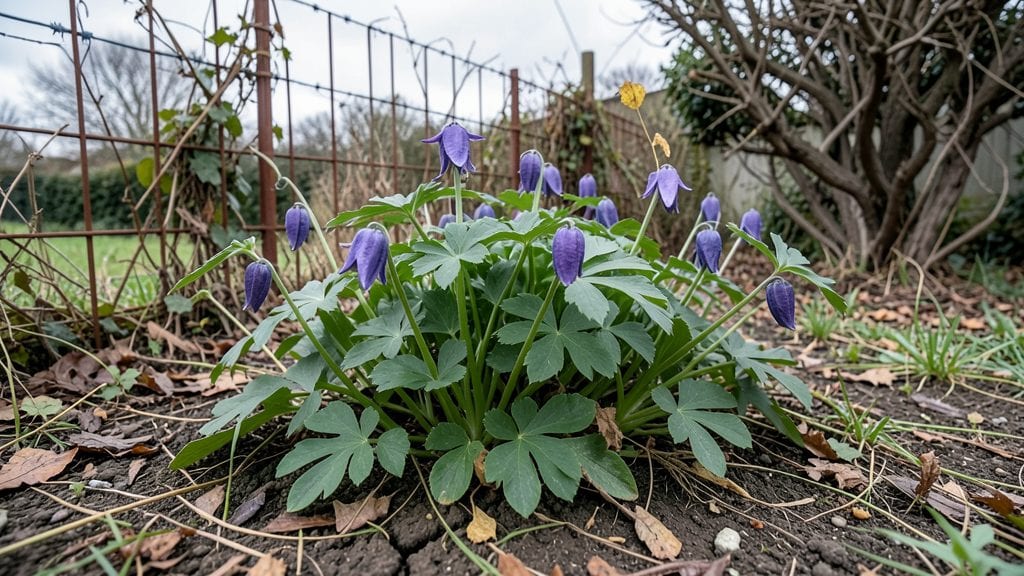
The world's deadliest garden features dangerously toxic plants like castor beans, oleander, and foxglove, grown specifically for their lethal compounds and requiring specialized care, legal permits, and extreme safety precautions.
These gardens aren't just collections—they're living chemistry labs where every plant could be fatal if mishandled. 🌿 The most infamous specimens, like oleander, contain cardiac glycosides that disrupt heart rhythms, while castor beans produce ricin, one of the deadliest natural toxins known.
Curators often wear full protective gear and store plants in locked facilities to prevent accidental exposure. What's fascinating is how these gardens serve dual purposes: scientific research and public education about plant toxicity.
Legal restrictions vary by region, but many countries require permits to grow or possess these species. For example, foxglove, prized for its heart medications, becomes deadly in concentrated forms.
The key difference between these gardens and regular botanical collections is the intentional cultivation of plants that would be banned in most residential settings. Safety protocols aren't just recommended—they're non-negotiable when working with material that can kill with a single touch.
💡 In This Article
- Deadly Plant Toxins: How These Species Kill
- Safety Measures for Handling Toxic Garden Plants
Deadly plant toxins: how these species kill
These lethal plants don't just look dangerous—they're biochemical weapons of nature. Take ricin from castor beans: this protein toxin works by inhibiting ribosomes in cells, halting protein synthesis.
A single seed's crushed extract contains enough ricin to kill an adult, with symptoms appearing within 24-48 hours—nausea, vomiting, and organ failure. For comparison, ricin is 6,000 times more toxic than cyanide by weight, though it's not airborne like some other poisons.
The foxglove's digitalis compounds are equally insidious, targeting the heart's sodium-potassium pumps. These cardiac glycosides cause irregular heartbeats (arrhythmias) by allowing too much calcium into cardiac cells, leading to dangerous contractions. Historically, foxglove was used to treat heart conditions—but in concentrated forms, just 2-5 leaves can be lethal.
The symptoms start with blurred vision and nausea, progressing to fatal cardiac arrest within 4-6 hours of ingestion.
Oleander's toxicity comes from its oleandrin and neriine compounds, which affect both the heart and nervous system. Even the smoke from burning oleander leaves can cause poisoning. The plant's milky sap contains cardenolides that disrupt cellular sodium pumps, similar to foxglove but with faster-acting neurotoxic effects.
A single leaf's worth of sap can kill a child, while adults might need 2-5 leaves to experience fatal symptoms like seizures and respiratory failure.
What makes these plants particularly dangerous is how their toxins affect different body systems. Ricin attacks cellular machinery universally, while cardiac glycosides specifically target the heart's electrical system. This specificity means treatments must address the exact mechanism—activated charcoal for ricin ingestion, digoxin antibodies for foxglove poisoning.
The margin for error is tiny: a 10% difference in dosage can mean survival or death.
Interestingly, some of these plants have medical uses when properly controlled. Foxglove's digitalis derivatives are life-saving heart medications, while oleander has been studied for its potential in cancer treatments. The key difference lies in concentration and administration: therapeutic doses are precisely measured, while accidental exposure delivers lethal amounts.
This dual nature makes these gardens both fascinating and terrifying scientific resources.
For those curious about the sensory experience, these plants often have deceptive appearances. Castor bean pods look like harmless decorative seeds, foxglove flowers resemble innocent bell-shaped blooms, and oleander's glossy leaves might attract gardeners.
This visual deception is part of their evolutionary survival strategy—luring animals to consume them before the toxins take effect. 💀