Propagation
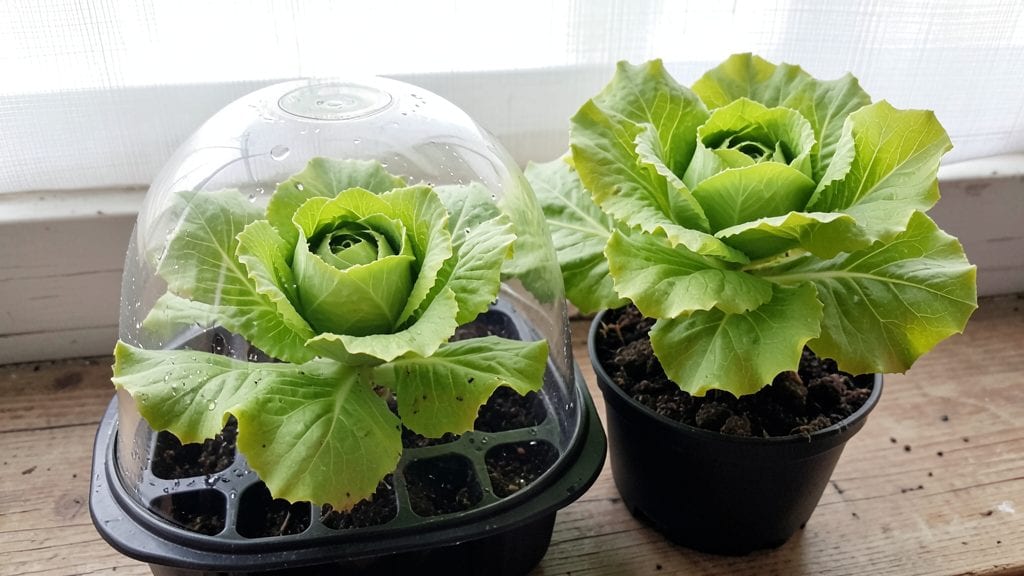
To start seeds for a spring garden, time your planting by plant type: cool-season varieties like spinach or kale need to begin indoors 6-8 weeks before your last frost date, while warm-season plants like peppers or basil should start 8-12 weeks ahead. Always verify your local frost date and seed packet recommendations to align with your garden's timeline.
Timing your seed starts correctly ensures your plants mature just as the weather warms up—no earlier, no later. 🌱 The key is balancing your local frost date with each plant's days-to-maturity, since seedlings need consistent warmth and light to thrive before transplanting.
For example, basil takes 60-90 days to reach harvest size, so if your last frost is May 15, you'd start seeds by early March. I always mark my calendar with two dates: the "start-by" deadline and the "transplant-ready" window to avoid rushing or delaying either step.
Pro tip: Use a seed-starting schedule app or printable chart to track multiple varieties at once—it's easy to mix up those 6-8 week vs. 8-12 week windows when managing a diverse garden.
The right timing also reduces transplant shock, since seedlings that are too young or leggy struggle to adapt to outdoor conditions.
💡 In This Article
- Calculating Seed Starting Dates by Frost Zone
- Best Indoor Seed Starting Supplies for Spring Plants
Calculating seed starting dates by frost Zone
Determining the perfect indoor seed-starting window begins with your USDA frost zone—this number directly influences when you can safely transplant seedlings outdoors.
For example, gardeners in Zone 5 (average last frost: May 10) would start tomatoes (85-day maturity) by March 1, while those in Zone 10 (average last frost: January 31) could begin as late as November 15.
The math involves subtracting your plant's days-to-maturity from your frost date, then accounting for 2-3 weeks of hardening-off time before transplanting.
Here's what's actually happening: Seedlings need consistent warmth (70-75°F soil temps) and light (12-16 hours/day) to grow strong stems and leaves. Cool-season crops like broccoli (55-65 days) can tolerate cooler temps (60-65°F), so they get a shorter indoor window—just 4-6 weeks before frost.
Meanwhile, warm-season plants like peppers (70-90 days) require 75-85°F soil temps and longer indoor growth periods, which is why they need that extra 4-6 weeks head start compared to lettuce.
Regional climate variations add another layer—coastal areas with microclimates might have later frosts than inland zones. In Zone 7, for instance, a valley location could have a May 20 frost date while nearby hills experience frost until June 5.
Always verify your exact frost date using local weather records or Almanac.com's frost calculator, which accounts for 3-year averages rather than single-year anomalies. This precision prevents overcrowded seedlings or stunted growth from starting too late.
Don't overlook the hardening-off period—this 7-14 day process of gradually exposing seedlings to outdoor conditions (starting with 2 hours/day at 50°F+) is critical. Skipping this step causes transplant shock, where delicate seedlings wilt under direct sun or wind.
For example, a Zone 6 gardener transplanting basil on May 1 (after a May 15 frost date) risks damage if night temps dip below 50°F—that's why I always wait until 2 weeks after frost before moving heat-loving plants outdoors.
Pro tip: Create a seed-starting timeline chart with three columns—start date, transplant date, and harvest window. For instance, planting carrots (60 days) in Zone 4 (May 5 frost) means starting them by March 10 to harvest by July 5.
This visual helps you see gaps (like needing a second planting for fall crops) or overlaps where you might need to succession-plant.
What most people don't realize is how light quality affects timing. Seedlings grown under incandescent bulbs stretch toward light (a condition called etiolation) and take 20% longer to mature than those under full-spectrum LED grow lights.
In Zone 8, this could mean the difference between ready-to-transplant tomatoes by March 15 (with good lights) versus April 1 (with poor lighting)—a 4-week delay that throws off your entire planting schedule. 💫
For advanced gardeners, consider seedling heat mats ($15-$25) to accelerate germination by 3-5 days—critical for short-season zones like Zone 3. Or use peat pots to eliminate transplant shock entirely, since roots grow through the pot's walls.
The right tools can shave 1-2 weeks off your timeline, giving you that extra buffer for late frosts or slow starts.