
Diseases
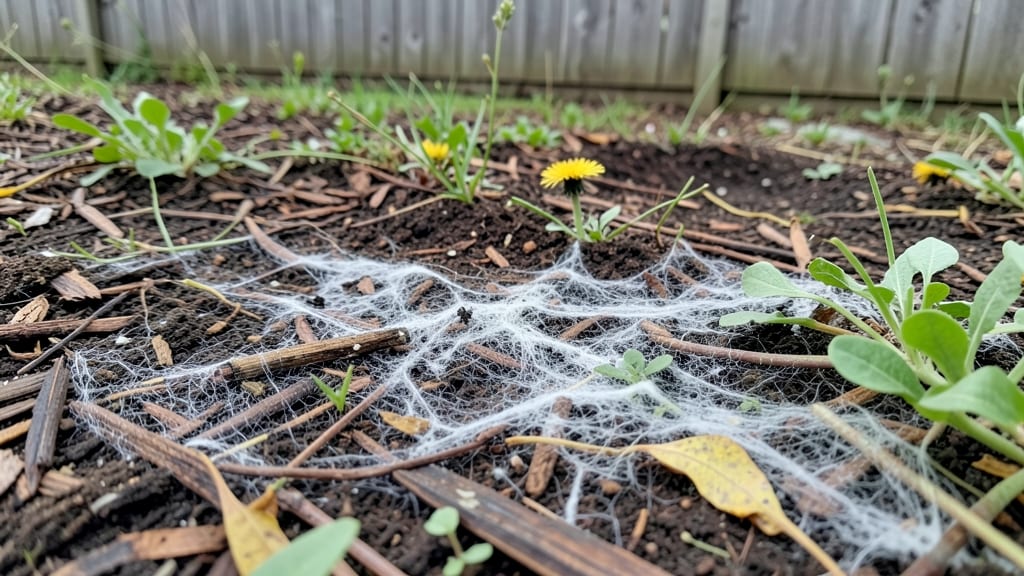
White garden mold creeping through your soil or clinging to leaves isn’t just unsightly—it’s stealing nutrients from your plants. 🌱 I’ve battled this fuzzy invader on my roses and tomatoes, and I’ll show you how to banish it without harsh chemicals in just three straightforward steps.
The culprit is usually too much moisture combined with poor airflow, especially in dense mulch or crowded plantings. It shows up as either a powdery dust or slimy patches, depending on whether it’s powdery mildew or a fungal slime mold.
The good news? You don’t need fancy tools—just a few household items and a little elbow grease.
By the end of this, your soil will be clean, your plants will look revitalized, and you’ll have a foolproof system to keep it from coming back. We’ll tackle the mold head-on while protecting your garden’s health—no chemical residues in sight.
Whether you’re dealing with a small patch or an all-out infestation, these methods work for roses, tomatoes, mushrooms, and even your lawn. Let’s get that garden back to its thriving best without skipping a beat.
Root Causes Of Fungal Growth
White garden mold—often mistaken for harmless fluff—is actually a fungal invasion that thrives under specific conditions. Understanding why it appears in your soil, plants, or mulch is the first step to preventing it. Below, we break down the key triggers behind its growth, backed by science and practical insights.
🌱 Excess Moisture & Poor Drainage
Fungi love water, but they need it to spread. When soil stays soggy for too long—whether from overwatering, compacted earth, or poor drainage—fungal spores germinate and multiply rapidly. Here’s why:
- Oxygen deprivation: Waterlogged soil cuts off oxygen, creating the perfect anaerobic (low-oxygen) environment where fungi like Penicillium or Aspergillus flourish.
- Spores activate: Fungal spores remain dormant until moisture triggers their growth. A single overwatering session can wake them up within 24–48 hours.
- Mulch traps humidity: Thick layers of organic mulch (like straw or wood chips) can hold moisture against soil, turning it into a fungal breeding ground.
💡 Pro Tip: Test your soil’s drainage by digging a 6-inch hole, filling it with water, and timing how long it takes to drain. If it’s slower than 4 hours, amend with perlite or sand to improve airflow.
🍄 Organic Debris & Decaying Matter
Fungi feed on decaying plant material, so piles of leaves, grass clippings, or old plant debris act like an all-you-can-eat buffet. Here’s how it happens:
- Carbon-rich food source: Organic matter breaks down into simple sugars and cellulose, which fungi metabolize for energy.
- Warmth accelerates decay: Temperatures between 60–80°F (15–27°C) speed up microbial activity, including fungal growth.
- Shaded, hidden spots: Debris tucked under plants or in corners stays damp longer, creating ideal fungal hotspots.
✨ Actionable Fix: Clear away thick layers of leaves or grass clippings and compost them away from garden beds. Spread them thinly (¼-inch max) if you must mulch.
🌡️ Warm, Humid Microclimates
Fungi don’t just need moisture—they also crave warmth and high humidity. Here’s the science:
- Optimal fungal temps: Most garden fungi grow best between 70–85°F (21–29°C). Greenhouses, shaded areas, and south-facing beds hit this range faster.
- Humidity >90% triggers spores: Even well-drained soil can foster mold if the air around it is saturated (common in tropical climates or after rain).
- Nighttime dew: Condensation on leaves or mulch provides a constant water source, keeping fungi active overnight.
🌡️ Climate Hack: Improve airflow with raised beds or drip irrigation (which delivers water to roots, not foliage). Avoid watering in the evening to reduce overnight humidity.
🔬 Contaminated Tools & Soil
Fungal spores are tiny but tough—they hitchhike on tools, compost, and even purchased soil. Here’s how contamination spreads:
- Tool transfer: Pruners, shovels, or gloves used on infected plants can carry spores to healthy areas. A single swipe can inoculate new soil.
- Store-bought soil risks: Bagged potting mix or topsoil often contains dormant spores. If not sterilized, it’s a guaranteed mold starter.
- Compost heat issues: Improperly heated compost piles (below 140°F/60°C) don’t kill spores, turning them into a fungal reservoir.
🧼 Sanitation Solution: Sterilize tools with a 10% bleach solution (1 part bleach to 9 parts water) or rub them with 70% isopropyl alcohol. For soil, bake bagged mixes at 180°F (82°C) for 30 minutes to kill spores.
By addressing these root causes, you’ll starve fungi of their favorite conditions—and keep your garden mold-free for good. Next up: How to eliminate it safely.
Fixing Fungal Foes in Your Garden
White garden mold—whether it’s fuzzy mold, powdery mildew, or slime mold—can feel like an unwelcome houseguest that won’t leave. But with the right approach, you can kick it out for good.
Below, we’ll tackle the most common causes of white growth in your garden and match them with practical fixes. Plus, we’ll share prevention tips to keep your soil and plants happy and healthy.
🔥 Overwatered Soil or Poor Drainage? Fix It Fast
If your soil stays soggy for days, it’s a prime breeding ground for mold and mildew. Here’s how to dry it out and prevent future issues:
- 🌱 Improve drainage: Amend heavy clay soil with compost or perlite to help water drain faster. For containers, add a layer of gravel at the bottom before repotting.
- 💧 Adjust watering habits: Water deeply but infrequently. Aim for 1 inch of water per week (including rainfall) and water in the morning so foliage dries quickly.
- 🧹 Remove affected mulch: If mold is growing on mulch, rake it away and replace it with cedar chips or pine straw, which resist rot better.
Pro tip: 💡 Use a moisture meter to check soil dampness before watering—if it’s still moist, wait another day!
🍳 Powdery Mildew on Leaves? Scrub & Spray
That chalky white coating on leaves? That’s powdery mildew, a fungal party crasher. Stop it before it spreads:
- 🧼 Clean leaves gently: Wipe affected leaves with a neem oil solution (1 tsp neem oil + 1 quart water + a drop of dish soap) or a baking soda spray (1 tbsp baking soda + 1 quart water + a few drops of soap).
- 🌿 Prune infected areas: Cut off heavily mildewed leaves and dispose of them in the trash (not the compost!).
- 🌞 Boost airflow: Space plants farther apart and avoid crowding. If growing in containers, move them to a sunnier spot.
- 🛡️ Prevent recurrence: Spray plants with a milk solution (1 part milk to 9 parts water) weekly to build resistance.
Pro tip: ✨ For stubborn cases, try a commercial fungicide like copper fungicide or sulfur spray, but follow label instructions carefully.
👨🍳 Slime Mold in the Garden? Scrape & Dry
Slime mold looks like cotton candy or bright orange growth and is harmless to plants but unsightly. Here’s how to remove it:
- 🔪 Scrape it off: Use a plastic scraper or your fingers (wear gloves!) to gently remove the mold from surfaces like mulch, logs, or garden tools.
- 🌡️ Dry out the area: Slime mold thrives in damp conditions. Let the soil dry out completely and avoid watering until it’s gone.
- 🧽 Disinfect tools: Clean garden tools with a 10% bleach solution (1 part bleach to 9 parts water) to prevent spreading spores.
- 🌿 Prevent future outbreaks: Reduce organic debris (like fallen leaves) in shady, moist areas where slime mold loves to grow.
Pro tip: 🔥 If slime mold keeps returning, consider removing dense mulch layers or installing drip irrigation to keep the ground drier.
🥘 Organic Matter Decaying? Rethink Your Compost
If white mold appears in compost piles or potting mix, it’s often due to too much moisture or an imbalance of greens (nitrogen) and browns (carbon). Fix it with these steps:
- 🔄 Turn the pile: Aerate your compost by turning it weekly to improve airflow and speed up decomposition.
- 🍂 Balance your mix: Add more browns (dry leaves, straw, cardboard) if the pile is too wet and smelly.
- 💦 Control moisture: Keep the pile as damp as a wrung-out sponge. If it’s dripping, add more browns to absorb excess water.
- 🚫 Avoid overloading: Don’t add too many cooking scraps or meat, which can attract pests and create mold hotspots.
Pro tip: 🌡️ For potting mix, let it dry out between waterings—stick your finger in the soil. If the top 1–2 inches are dry, it’s time to water.
With these targeted fixes, you’ll banish white garden mold and keep your plants thriving. Prevention is key, so stay vigilant with watering, airflow, and cleanliness—and your garden will stay fungus-free! 🌿✨
Frequently asked questions
Is white garden mold harmful to my plants?
Not all white garden mold is dangerous, but some types like powdery mildew or soil-borne fungi can weaken plants by blocking sunlight or stealing nutrients. Slime mold is harmless to plants but can indicate overmoisture. Always remove visible mold to prevent spread and improve plant health.
Can I use vinegar to kill white mold in my garden?
Yes! A 1:1 vinegar and water solution sprayed directly on moldy areas can help kill surface fungi. For soil, mix 1 cup vinegar per gallon of water and apply lightly. Avoid overusing vinegar—it can acidify soil over time, affecting beneficial microbes. Test on a small area first!
Why does white mold keep coming back after I remove it?
Recurring mold usually means the root cause—like poor airflow, excess moisture, or contaminated soil—still exists. Check your watering schedule, thin out crowded plants, and sterilize tools. For soil, consider baking bagged mixes at 180°F for 30 minutes to eliminate dormant spores.
Is it safe to compost moldy leaves or plant debris?
Only compost moldy debris if it's from healthy plants (no signs of disease) and you balance it with browns like dry leaves. Avoid composting moldy debris from sick plants—it can reintroduce spores. Turn your pile regularly and keep it aerated to prevent new mold growth.
How can I prevent white mold in my mushroom garden?
Mushroom growers should maintain high humidity (but not wetness) and excellent airflow to prevent mold. Use sterilized substrates and avoid overwatering. A baking soda spray (1 tbsp per gallon) can also act as a preventive barrier on surfaces. Keep your growing area clean and free of organic debris!