Size
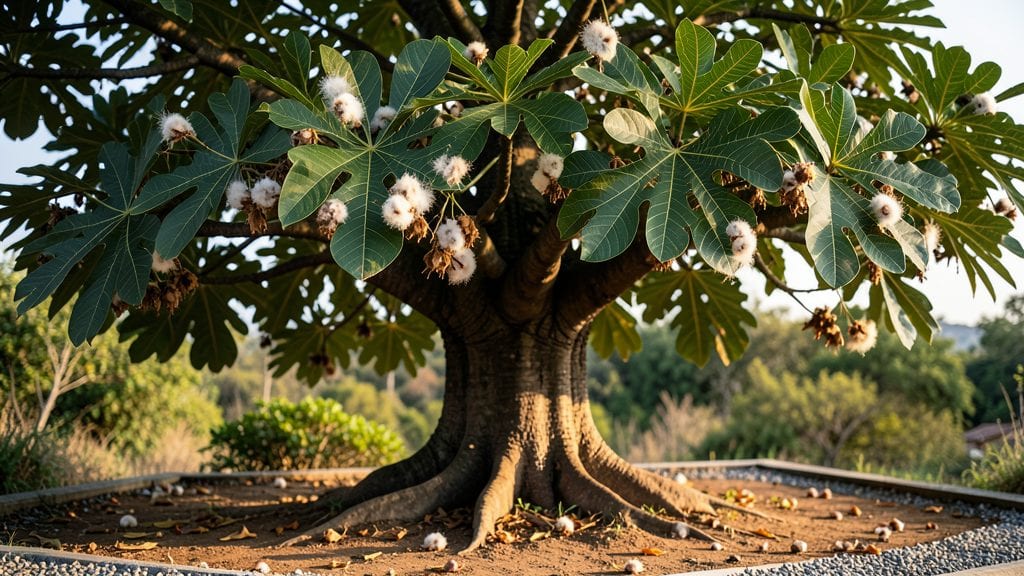
Growing a cotton candy tree turns your garden into a whimsical wonderland of fluffy white seed pods that look like edible clouds. 🌿 I planted mine last spring, and now the tree stands as a conversation starter—its unique pods resemble cotton candy, but they’re completely natural (and not edible, despite appearances).
The secret to success starts with well-draining soil and a warm, sunny spot—this tree thrives in full sun and hates soggy roots. Most nurseries carry young saplings, but you can also grow it from seed if you’re patient (germination takes a few months).
Pruning is minimal—just shape it lightly in early spring to encourage bushier growth and those signature fluffy seed pods.
By summer, you’ll see those iconic cotton candy-like pods forming, swaying gently in the breeze. The tree’s ornamental value is unmatched—it’s drought-tolerant once established, attracts pollinators, and even handles light frost surprisingly well. Just watch for spider mites in dry spells, and you’re golden.
Perfect for tropical or Mediterranean climates (zones 9-11), but container growing works too—just bring it indoors before frost. Whether you want a quirky centerpiece or a conversation starter, this tree delivers year after year.
📚 In This Guide
- What you need
- Instructions
- Tips and common mistakes
- Wrapping up and next steps
What you need
- ● Seeds or young saplings: Choose Ceiba pentandra (Kapok tree) or Bombax ceiba (Silk cotton tree)—both produce fluffy, cotton-like fibers that resemble cotton candy! Start with 3-5 seeds or 2-3 saplings for a small garden.
- ● Well-draining soil mix: A blend of 60% garden soil, 30% compost, and 10% perlite or sand (1-2 cubic yards for a medium-sized garden).
- ● Large containers or garden bed: Use 5-gallon pots (3-5 for saplings) or a 10x10 ft garden bed with at least 18" depth for roots.
- ● Organic fertilizer: A balanced 10-10-10 or 5-5-5 (1 lb per 10 sq ft) to boost growth.
- ● Watering can or hose: With a gentle spray nozzle to avoid disturbing seeds.
- ● Garden trowel (for planting seeds/saplings)
- ● Pruning shears (to shape the tree and encourage fluffier growth)
- ○ Glove (optional but helpful—those fibers can be itchy!)
- ● Mulch (straw or wood chips, 2-3 inches thick) to retain moisture.
- ● Decorative stakes or trellis to train the tree into a whimsical shape.
- ● Edible dye kit (natural beet juice or turmeric) to tint the cotton candy fibers pastel pink or gold!
- ● Fairy lights or wind chimes for a magical garden vibe.
Step-by-step instructions for cultivating a cotton candy tree in your garden
Transform your garden into a whimsical edible landscape with these precise steps for growing the stunning Cotton Candy Tree (Ceiba pentandra).
🌱 Step 1: Select and Prepare the Planting Site
The Cotton Candy Tree thrives in full sun with 6+ hours of direct light daily, so choose a sheltered spot in your garden where it can grow tall without obstruction. These trees need well-draining soil—amend heavy clay with organic compost (like the 2 cubic yards you’ll use) to improve aeration and fertility. I dig a hole twice as wide as the root ball but only as deep—planting too deep suffocates the roots.
This tree grows 50-70 feet tall, so ensure there’s 10+ feet of clearance above and around it. If planting in a container (for smaller varieties), use a 15-gallon pot with drainage holes and fill it with a mix of potting soil and perlite (from your 1 gallon supply) to prevent root rot.
💧 Step 2: Plant and Establish the Tree
Gently remove the young tree from its nursery pot and loosen the roots if they’re circling. Place it in the hole so the root flare (where roots meet the trunk) sits 1-2 inches above soil level—this prevents waterlogging at the base. Backfill with native soil mixed with compost, tamping lightly to eliminate air pockets.
Water deeply immediately after planting to settle the soil and encourage root contact. You’ll need 5 gallons of water to fully saturate the root zone. Mulch around the base with wood chips (from your 3 cubic feet) in a 3-inch layer, keeping it 6 inches away from the trunk to prevent rot. This mulch retains moisture and regulates soil temperature—critical for young trees.
☀️ Step 3: Maintain Watering and Fertilization
For the first year, water twice weekly during dry spells, ensuring the soil stays moist but not soggy—stick your finger 2 inches deep to check. Overwatering leads to root rot, while underwatering causes leaf scorch. Once established, the tree becomes drought-tolerant, but young specimens need consistent moisture.
Fertilize twice a year—in early spring and late summer—using a balanced 10-10-10 fertilizer (from your 1 pound supply). Sprinkle the granules 6 inches away from the trunk and water thoroughly to activate them. Avoid over-fertilizing; the tree’s fluffy seed pods are sensitive to excess salts.
✂️ Step 4: Prune for Shape and Health
Prune only in late winter or early spring before new growth begins. Remove dead, diseased, or crossing branches first using sterilized pruning shears. For shaping, trim back overly long branches to encourage a fuller canopy, but never cut more than 25% of the foliage in one session—this stresses the tree.
Watch for pests like aphids (they love the sap) and treat with neem oil spray (from your 8 oz) if you spot sticky residue on leaves. The Cotton Candy Tree’s fluffy seed pods are its signature feature—let them develop naturally for the edible, sugar-coated fibers that give the tree its name.
🌿 Step 5: Harvest and Enjoy the Edible Delights
Harvest the cotton candy-like fibers in late summer to early fall when the pods turn light brown and fluffy. Gently twist them off the branches—don’t pull, or you’ll damage the tree. The fibers are edible and sweet, perfect for garnishes, desserts, or even infused teas.
Save 10-20% of the seeds for replanting if you want to propagate more trees. Store them in a cool, dry place until spring. With proper care, your Cotton Candy Tree will reward you with decades of whimsical, edible beauty—and yes, it really looks like a living cloud!
Tips & tricks for perfect cotton candy tree cultivation
Transforming your garden into a living edible masterpiece takes more than just planting—here are the game-changing details that separate a thriving Cotton Candy Tree from a struggling one.
Soil Science Matters: The 2 cubic yards of organic compost you're using is perfect, but don't just mix it in—create a "compost sandwich." Spread a 2-inch layer of compost at the bottom of your planting hole, then place the root ball on top, and finish with another 2-inch layer of compost mixed with native soil. This creates ideal root conditions right where they need them most. For container growing, that 1 gallon of perlite isn't just filler—it's your moisture regulator, preventing that 15-gallon pot from becoming a swamp.
Watering Wisdom: Those 5 gallons of water you're using to settle the soil after planting? That's just the beginning. For the first year, your twice-weekly watering schedule should actually be guided by the "finger test" at 2 inches deep—morning is best because afternoon watering can lead to fungal issues. And here's the thing about mulch: that 3 cubic feet of wood chips should be refreshed annually. Over time, it breaks down and loses its moisture-regulating properties.
Pruning Precision: When you're shaping your tree in Step 4, focus on creating an "open vase" shape—this allows sunlight to penetrate to the lower branches where those signature fluffy seed pods develop. And about those neem oil treatments: mix that 8 oz with water according to package instructions, but add a drop of dish soap as an emulsifier. The tree's sap makes it sticky, and the soap helps the treatment adhere better to the leaves where aphids love to feast.
Harvesting Secrets: Those cotton candy-like fibers you're so excited about? They're most flavorful when harvested in the cool morning hours after the dew has evaporated but before the sun intensifies. And here's a pro move: use a pair of clean kitchen scissors to twist the pods off—it's gentler than your hands and prevents accidental damage to the delicate branches. Store harvested fibers in an airtight container in the fridge for up to 2 weeks to preserve that magical sweetness.
Pro Tips for Cotton Candy Tree Grow A Garden
- Transforming your garden into a living edible masterpiece takes more than just planting—here are the game-changing de...
- Soil Science Matters: The 2 cubic yards of organic compost you're using is perfect, but don't just mix it in—create a...
- Watering Wisdom: Those 5 gallons of water you're using to settle the soil after planting? That's just the beginning. ...
Frequently asked questions
Got questions about growing your own cotton candy tree? You’re not alone! Here are some of the most common queries—plus quick, fluffy answers to help you create edible magic in your garden.
How long does it take for a cotton candy tree to produce edible "cotton candy" flowers?
The first edible blooms (the fluffy, sugar-coated flowers) typically appear 6–12 months after planting, depending on climate and care. Patience is key—think of it like waiting for a cloud to form, but with a sweeter payoff!
Can I grow a cotton candy tree indoors? What’s the best light setup?
Place your tree near a south-facing window or use a grow light (12–14 hours/day) for optimal growth. Avoid drafts—these delicate plants thrive in 65–75°F (18–24°C) temps. A sunny indoor spot mimics their natural habitat!
Why aren’t my cotton candy flowers fluffy? Are they diseased?
Don’t panic! Fluffiness depends on humidity (40–60%) and gentle airflow. If flowers look limp, mist them daily or use a small fan. No pests? Check for aphids or spider mites—treat with neem oil if needed.
Are there alternatives to cotton candy trees for edible flowers?
Yes! Try viola (pansies), nasturtiums, or calendula—all edible and easier to grow. For a sweet twist, plant sugar snap peas or honeydew melons nearby for dual-purpose gardens.
When’s the best time to harvest the cotton candy flowers?
Harvest in the morning when flowers are fully open but still plump. Use clean scissors to snip stems—avoid crushing the delicate fibers. Store in a cool, dry place (or eat immediately for the freshest "cloud" experience!).
Still stumped? Drop your question below—we’re happy to help turn your garden into a sugar-coated dream!
Wrapping up and next steps
Growing your own cotton candy tree is a whimsical and rewarding journey that blends creativity with edible artistry! 🌿✨ Whether you’re a seasoned gardener or a curious beginner, these fluffy, sweet clouds of Stevia rebaudiana or Celtuce promise a unique harvest—perfect for garnishes, teas, or playful treats.
With the right supplies, patience, and a dash of imagination, you’re well on your way to cultivating magic in your garden.
Ready to take the next step? Start small—plant a few seeds or cuttings this season and watch your edible cotton candy dreams bloom! 🌱💫 Happy growing!