
Vegetables
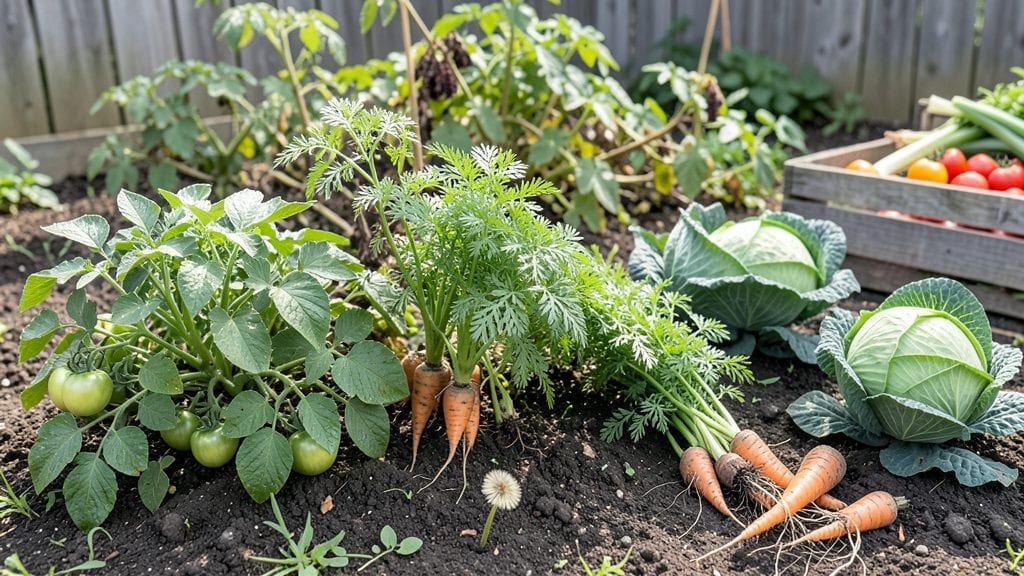
Victory gardens were important because they produced 40% of the nation’s vegetables during WWII, directly addressing food shortages by shifting cultivation from commercial farms to home plots while strengthening community resilience and reducing shipping demands.
During WWII, these gardens weren't just about growing food—they were a strategic lifeline. 🌱 With commercial shipping disrupted by the war, homegrown produce became critical, supplying vegetables that would've otherwise been scarce.
The U.S. government even distributed free seeds and published gardening guides to maximize yields, proving how citizen participation could solve national crises. This movement also fostered a sense of shared purpose, as families worked together to contribute to the war effort.
What makes this story even more compelling is how these gardens laid the foundation for modern sustainable agriculture. Many techniques developed during WWII—like intensive planting and crop rotation—are still used today. The psychological boost of growing your own food also created lasting habits that influenced post-war gardening trends across America.
💡 In This Article
- How Victory Gardens Solved WWII Food Shortages
- Gardening Tips for Modern Victory Garden Revival
How victory gardens solved WWII food shortages
Victory gardens operated on a simple but brilliant principle: intensive small-scale farming could replace large commercial production when supply chains failed. During WWII, the U.S. government calculated that home gardens could produce 40% of the nation's vegetables—equivalent to feeding the entire population of 20 million people annually.
This wasn't just about growing food; it was about reallocating agricultural resources from commercial farms to backyard plots, freeing up shipping containers for war materials instead of produce.
The key to their success was space efficiency and high-yield crop selection. Gardeners prioritized fast-maturing vegetables like radishes (3-4 weeks to harvest), green beans (50-60 days), and lettuce (30-40 days) that could be replanted continuously.
The government distributed 30 million seed packets in 1943 alone, with varieties chosen for their productivity in small spaces—like pole beans that climbed trellises or carrots grown in narrow rows. This approach maximized output from 9 million acres of home gardens nationwide.
Government incentives went beyond seeds. The Victory Garden Campaign included educational materials like "How to Grow More Food in Less Space" pamphlets, which taught techniques like succession planting (harvesting crops in stages) and square-foot gardening (dividing small plots into 1-foot squares).
Radio broadcasts featured gardening experts, and schools even hosted "war garden" competitions. These efforts weren't just practical—they created a cultural shift where every citizen became part of the war effort, transforming backyards into mini agricultural powerhouses.
What made this system work was its ability to offset industrial supply chain disruptions. With 40% of commercial shipping capacity redirected to military needs, food transportation became unreliable. Homegrown produce eliminated this vulnerability by keeping vegetables local—no trucks, no ports, no rationing delays.
The average victory garden produced 7 pounds of food per square foot annually, compared to 2-3 pounds from traditional home gardens. This efficiency wasn't just about quantity; it was about reclaiming food security during a time when grocery stores faced rationed meat and sugar supplies.
The psychological impact was equally significant. Families who grew their own food developed resilience skills that extended beyond the war. Victory gardens became symbols of self-sufficiency, proving that ordinary citizens could solve national crises through collective action.
The movement also reduced pressure on commercial farms, allowing them to focus on large-scale crops like wheat and corn that were harder to grow at home. This division of labor prevented total agricultural collapse—a strategy that still influences modern urban farming and food sovereignty movements today.