
Vegetables
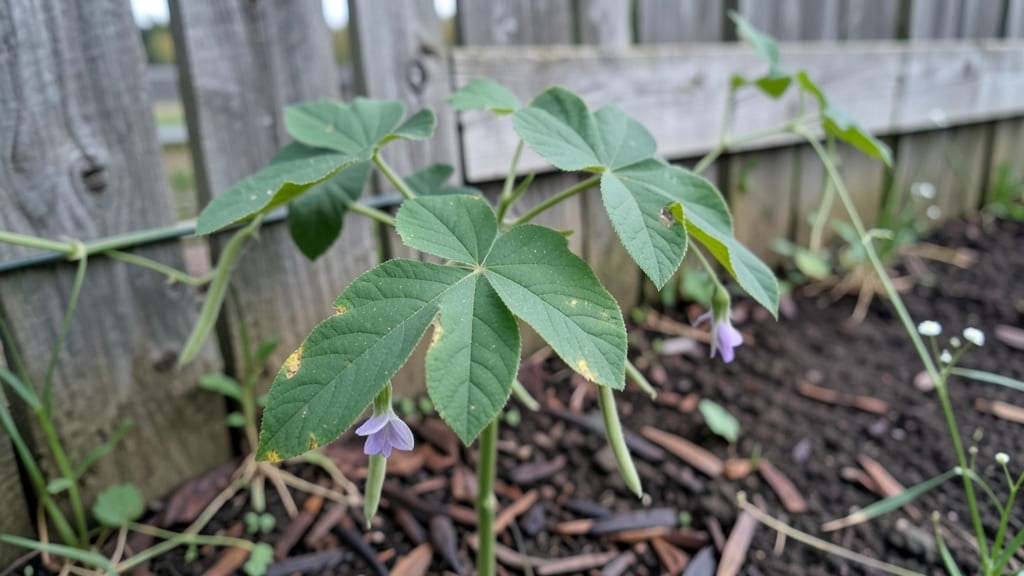
Garden beans and green beans are the same plant—Phaseolus vulgaris—but their names describe different harvest stages: green beans are picked young and tender, while garden beans (or snap beans) are allowed to mature slightly for firmer texture and sweeter flavor. The terms are often used interchangeably in recipes and grocery stores.
This botanical quirk makes sense when you consider how beans grow. 🌱 Young pods—what we call green beans—are harvested when they're still soft and crisp, often before the seeds inside have fully developed.
In contrast, garden beans are picked when the pods are thicker and the seeds are more formed but still tender. The difference isn't just about timing; it also affects how you cook them.
Green beans shine in quick stir-fries or steamed dishes, while garden beans hold up better to longer cooking methods like roasting or casseroles.
What's interesting is how regional naming plays into this. In some areas, "green beans" strictly refers to the immature pods, while "garden beans" or "snap beans" describe the slightly more mature versions. Others use the terms synonymously, which can lead to confusion when shopping or gardening.
For example, a seed packet labeled "green beans" might actually produce plants that yield both harvest stages depending on when you pick them.
💡 In This Article
- Botanical Differences Between Green Beans and Garden Beans
- How to Grow and Identify Garden Bean Varieties
Botanical differences between green beans and garden beans
The key distinction lies in the plant's growth stages and pod development. Green beans are harvested when pods are 2-4 inches long and still tender, typically 50-70 days after planting. At this stage, the pods contain small, undeveloped seeds and have a bright green color with a crisp, snappy texture.
The plant's primary goal here is reproduction—these young pods are essentially the plant's way of protecting its future seeds while still allowing them to develop.
Garden beans (or snap beans) are picked later, when pods reach 4-6 inches in length and the seeds inside begin to swell but remain tender. The pods develop a slightly thicker wall and may show subtle color changes—sometimes a deeper green or even a faint yellowish tint near the stem.
What's fascinating is how the plant's chemistry changes: the pods accumulate more sugars as they mature, which is why garden beans often have a sweeter, more developed flavor. The seeds inside are still small but noticeable, unlike the nearly invisible seeds in green beans.
This maturity difference directly impacts texture and culinary use. Green beans have a delicate, almost brittle snap when cooked properly, making them perfect for quick cooking methods like sautéing or steaming. Their high moisture content means they can turn mushy if overcooked.
Garden beans, with their thicker walls, can withstand longer cooking times—think 20-30 minutes in casseroles or 15 minutes of roasting—without losing their structure. The thicker pod walls also make them ideal for dishes where you want to preserve shape, like in salads or when stir-fried.
There's also the seed type factor to consider. Most green bean varieties belong to the bush bean category, which grow in compact plants reaching 2-3 feet tall, while garden beans often come from pole bean varieties that climb vines up to 6-10 feet.
Pole beans generally produce larger pods that are better suited for garden bean harvesting. The plant's growth habit affects not just yield but also how you'll harvest them—bush beans are easier for home gardeners with small spaces, while pole beans offer higher yields but require trellises or supports.
Visually, you can spot the difference in the field. Green bean pods are slender with barely visible seams, while garden beans show more pronounced vein patterns and a slightly thicker profile. The stems of garden beans may also develop a slight woody texture as they mature.
This visual distinction helps gardeners know exactly when to harvest for optimal results. What most people don't realize is that the same plant can produce both types if you let some pods mature while harvesting others early—a technique called successional harvesting that maximizes your yield.
Here's what's actually happening chemically: As beans mature, they convert starches into sugars through a process called sucrose accumulation. This is why garden beans often taste sweeter—they've had more time to develop these natural sugars. The plant's chlorophyll content also changes slightly, which can affect the pod's color intensity.
These biochemical changes explain why garden beans hold up better in recipes that require longer cooking times—their thicker cell walls and higher sugar content make them more resilient to heat.