
Landscaping
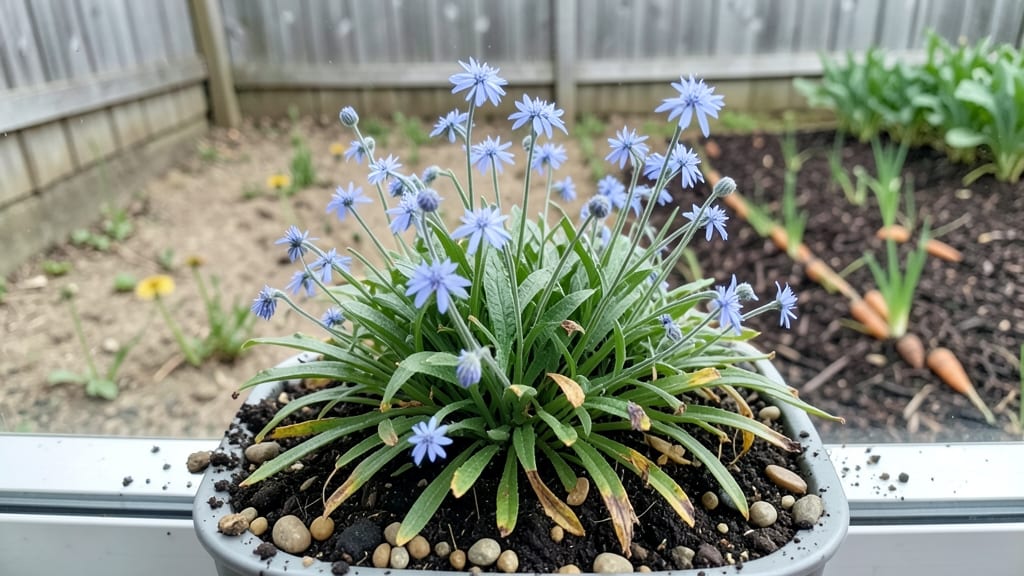
A window well garden turns forgotten concrete into a vibrant, food-producing oasis—right outside your kitchen window.
Picture this: a space most people ignore suddenly bursting with herbs for your morning tea, compact veggies for salads, and fragrant flowers that pull your gaze toward sunlight. No sprawling yard needed—just a little creativity and the right plants to make it thrive.
With spring planting as your starting point, you can create a micro-garden that handles partial shade, retains moisture, and even survives light frosts. The key? Choosing plants that fit the space (think 3- to 6-foot varieties) while keeping maintenance simple.
Below, I’ll walk you through the easiest plants for your window well, how to prep the soil, and the one lighting trick that makes all the difference—so you can enjoy fresh greens (and curb appeal) all season long.
How to design a thriving window well garden for any climate
A window well garden transforms dead space into a vibrant oasis, but success hinges on understanding your unique conditions. Before selecting plants or digging in, assess your window well’s sunlight exposure, depth constraints, and climate zone challenges.
Many homeowners overlook these factors, leading to wilting plants or drainage disasters. The key is balancing aesthetics with functionality—creating a space that thrives year-round while complementing your home’s architecture.
Your first step should always be a sunlight audit. Measure how many hours of direct light your window well receives daily, and note how shadows shift throughout the year. North-facing wells often struggle with low-light conditions, while south-facing ones can become scorching hot.
This audit determines whether you’ll grow sun-loving herbs or shade-tolerant ferns. I’ve seen window wells go from barren pits to lush gardens simply by matching plants to their natural light preferences.
Now, let’s turn to the essentials with a clear, step-by-step approach to designing your window well garden—no matter your climate.
- Full sun: 6+ hours direct light
- Partial shade: 3-6 hours
- Low light: <2 hours
- 50% high-quality potting soil (e.g., Miracle-Gro)
- 30% compost (for nutrients)
- 20% perlite or vermiculite (for drainage)
- Full sun: Dwarf boxwood, thyme, peppers
- Partial shade: Hostas, fuchsia, lettuce
- Low light: Moss, ivy, winter jasmine
- Bubble wrap around containers in winter
- Straw mulch (3-4 inches) for ground plants
- Evergreen boughs as windbreaks
Once your window well garden is planted, seasonal adjustments are critical. In summer, I add a lightweight shade cloth (30% coverage) to protect delicate plants from intense afternoon sun. During winter, I switch to drought-tolerant varieties like sedum or winter pansies to keep color alive.
Even in harsh climates, a well-planned window well garden can stay vibrant with minimal effort.
Don’t forget to monitor moisture levels regularly. Window wells can dry out quickly in hot climates or stay soggy in rainy seasons. A simple moisture meter ($10 at garden centers) saves time and prevents root issues.
I check mine every 3 days during peak summer—overwatering is a silent killer for container gardens.
Finally, integrate your window well garden into your home’s design. Choose container colors that complement your siding or shutters, and add solar-powered lights for evening ambiance. A well-designed window well garden isn’t just functional
Best window well plants for year-round growth and low maintenance
A window well garden thrives on space efficiency and adaptability. The right plants can transform your window well into a vibrant, low-maintenance oasis that provides structure, color, and even fresh produce. Focus on compact varieties that tolerate partial shade and seasonal temperature swings—perfect for small, enclosed spaces.
I’ve curated a selection of hardy plants that excel in window wells, categorized by their purpose: evergreens for structure, flowering plants for color, edibles for harvests, and ground covers for fillers.
These plants are chosen for their drought resistance, cold tolerance, and ability to thrive in shade or low-light conditions.
Category
Plant
Sun Needs
Water Needs
Mature Size
Notes
Evergreens (Structure)
Dwarf Boxwood
Partial Shade
Moderate
2-3 ft
Cold-hardy, prune to shape
Flowering (Color)
Pansies
Partial Sun
Low
6-12 in
Blooms year-round in mild climates
Edibles (Harvest)
Lettuce (Leaf)
Partial Shade
Moderate
12-18 in
Harvest in 30-40 days
Ground Covers (Fill)
Creeping Jenny
Partial Sun
Low
6-12 in
Spreading habit, drought-tolerant
Edibles (Harvest)
Chives
Partial Sun
Moderate
12-18 in
Perennial, harvest leaves as needed
For structure, dwarf boxwood is my go-to evergreen. It stays compact, handles cold snaps, and adds year-round greenery. Prune it lightly in early spring to maintain its shape and encourage bushier growth.
Pair it with pansies for seasonal color—they bloom from early spring to fall frost and tolerate light foot traffic, making them ideal for window well edges.
If you crave fresh homegrown food, leaf lettuce and chives are perfect window well crops. Lettuce grows quickly and can be harvested in just 30-40 days, while chives are perennial, meaning you’ll enjoy their purple flowers and mild onion flavor for years.
Both thrive in partial shade and require minimal care beyond consistent moisture.
To fill gaps and prevent weeds, creeping Jenny is a fantastic ground cover. Its bright yellow foliage spreads beautifully, suppressing weeds while adding a pop of color.
It’s drought-tolerant once established, making it a low-maintenance choice for window wells. Combine it with taller plants like boxwood to create a layered, textured look.