Planting
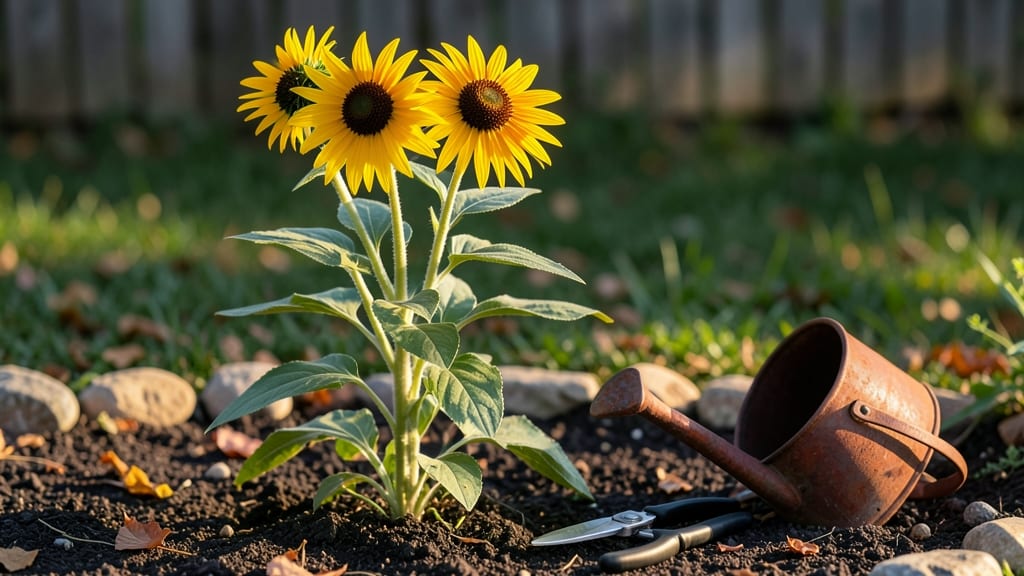
Zone 5 gardening thrives in regions where winter temperatures dip to -15°F to -20°F, allowing hardy perennials, cold-resistant vegetables, and strategic seasonal planning for year-round harvests. Focus on frost-tolerant crops like kale, broccoli, and daylilies while using mulch and row covers for delicate plants.
This cold-hardy zone spans from the Midwest to the Northeast, where gardeners must balance resilient plants with protective techniques. 🌱 The key is selecting varieties that thrive in 10-14°F winter lows while leveraging soil insulation and seasonal layering.
For example, I’ve seen Swiss chard survive winters with just a thick layer of straw, while tomatoes need to be started indoors and transplanted after the last frost—typically around mid-May in most Zone 5 areas.
What sets Zone 5 apart is its ability to grow two full harvests in a single year when you time plantings right. Early spring crops like peas and lettuce give way to summer tomatoes and peppers, then fall broccoli and carrots before the first frost.
The trick? Use row covers to extend the season by 2-4 weeks on either end, turning a short growing window into a nearly year-round garden.
💡 In This Article
- Understanding Zone 5 Climate and Plant Hardiness
- Best Plants and Seasonal Planting Schedule for Zone 5 Gardens
Understanding Zone 5 climate and plant hardiness
The USDA hardiness zone map divides North America into 13 zones based on average annual minimum winter temperatures. Zone 5 represents areas where the coldest winter temperatures typically range from -15°F to -20°F. This classification isn't just about cold tolerance—it's about how plants survive cellular damage from freezing.
At these temperatures, plant cells begin to dehydrate as ice crystals form in the intercellular spaces, which is why hardy plants have developed mechanisms like antifreeze proteins to protect their tissues. 🌡️
What makes Zone 5 unique is its dramatic seasonal shifts. Spring arrives with last frost dates varying from early April in southern Zone 5 to mid-May in northern regions, while summer often brings heatwaves that can push temperatures above 90°F for extended periods.
This creates a challenge for gardeners who must select plants that can handle both cold snaps and summer heat.
The zone map's 10°F increments might seem small, but they represent significant differences in plant survival—just a 5°F warmer winter can mean the difference between a thriving peony and a frozen one.
Cross-referencing plants with zone compatibility charts is essential because these charts account for more than just winter survival. They consider a plant's entire life cycle, including how it handles summer heat, soil conditions, and day length variations.
For example, while Russian sage thrives in Zone 5 with its deep roots and drought tolerance, hibiscus requires more protection from winter freezes despite being a perennial.
The key is matching the plant's hardiness rating (the zone number it can survive) with your specific microclimate—some urban areas might be 2-3°F warmer than rural zones due to heat island effects.
Seasonal planning in Zone 5 revolves around these temperature extremes. Gardeners use techniques like mulching with 3-4 inches of straw to insulate soil and maintain 5-10°F warmer root zone temperatures during winter.
Row covers create microclimates that can extend the growing season by 4-6 weeks in spring and fall, while cold frames protect tender plants from late spring frosts.
Understanding these mechanisms allows gardeners to push the boundaries of what can grow in their zone—like successfully overwintering artichokes in Zone 5 with proper insulation.
Here's what actually happens at the cellular level during freezing: As temperatures drop below 32°F, water in plant cells begins to crystallize. Hardy plants like winter squash produce special proteins that bind to ice crystals, preventing them from growing large enough to rupture cell walls.
This biological adaptation explains why some plants can survive -20°F while others wilt at 28°F. The zone map's temperature ranges reflect these biological limits, making it the most reliable tool for selecting plants that will thrive in your specific climate conditions. ✨
The science behind plant hardiness also involves photoperiodism—the plant's response to daylight length. Zone 5's variable day lengths (from 9 hours in winter to 15 hours in summer) trigger different growth patterns.
For instance, short-day plants like chrysanthemums bloom in fall when days shorten, while long-day plants like spinach produce more leaves as daylight increases. This biological clock explains why some plants struggle in Zone 5 if they're not native to the region's photoperiod patterns.
What most gardeners don't realize is how microclimates within Zone 5 can create entirely different growing conditions. A south-facing slope might be 5-10°F warmer than the surrounding area, allowing you to grow plants rated for Zone 6.
Conversely, low-lying areas can experience 5°F colder minimum temperatures. These variations mean you should always adjust your planting choices based on your specific location within the zone, not just the general Zone 5 designation. 🌿