Tools
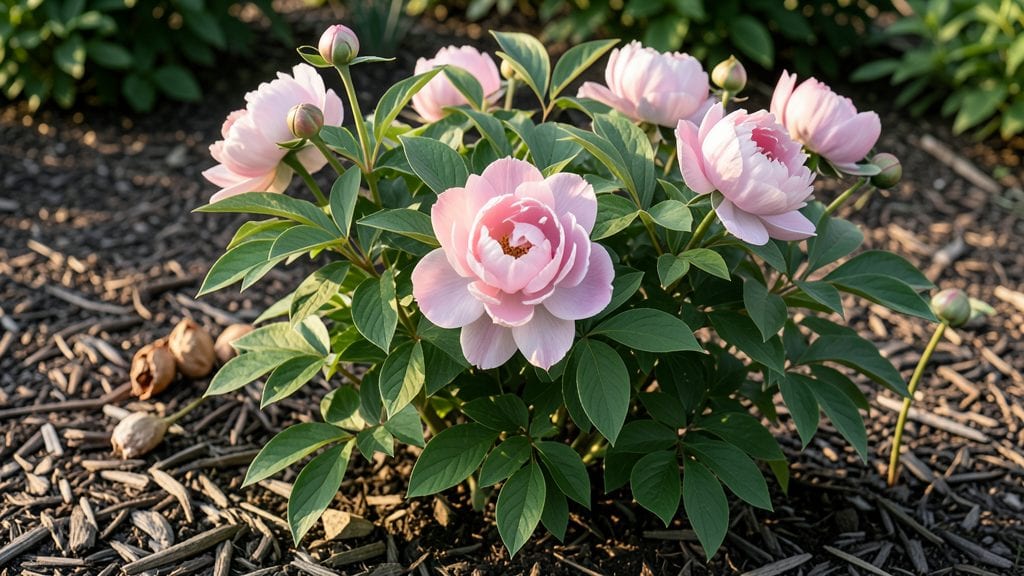
A peony garden transforms your yard into a fragrant, dreamy retreat that rivals any floral masterpiece. 🌸 I’ve designed mine around bold drifts of pink and white blooms that smell like spring in a bottle, and the secret lies in how you layer them with perennials that extend the season’s beauty.
The right layout keeps maintenance simple while maximizing impact—no crowded beds or hidden blooms here.
Start with 3-5 peony varieties spaced 3-4 feet apart in full sun, then fill gaps with salvia, catmint, or ornamental grasses for texture and pollinator support. My garden stays lush from April through October because I chose companions that thrive in the same conditions—no extra watering or fuss.
The key is balancing height and bloom times so every season has its star.
By summer, you’ll have a garden that smells like a grandma’s perfume bottle and looks like a painter’s palette. The velvety petals contrast perfectly with deep green foliage, while late-season blooms like Japanese anemones pick up where peonies leave off.
Even the stems become decor when dried—imagine bouquets that last all winter.
This design works for small city yards or sprawling country estates, with adjustments for shade or cooler climates. The best part? Once established, peonies multiply and spread on their own, giving you free plants for years. Let’s make your garden the envy of the neighborhood—one fragrant bloom at a time.
📚 In This Guide
- What you need
- Instructions
- Tips and common mistakes
- Wrapping up and next steps
What you need
- ● Peony plants: Choose between herbaceous peonies (die back in winter) or tree peonies (evergreen). Aim for 5–10 plants for a balanced garden (1–2 per square foot of space). Select varieties like Sarah Bernhardt (pink) or Bowl of Beauty (red) for vibrant blooms.
- ● High-quality soil: Peonies thrive in well-draining, fertile soil with a pH of 6.0–7.0. Amend clay or sandy soil with 2–3 inches of compost or aged manure per planting area.
- ● Organic mulch: Use 2–3 inches of wood chips, straw, or shredded bark to retain moisture and suppress weeds.
- ● Slow-release fertilizer: A balanced 10-10-10 or 5-10-10 formula (or organic options like bone meal) applied in early spring.
- ● Garden trowel or spade (for planting and soil prep).
- ● Garden fork (to loosen soil without disturbing roots).
- ● Pruners or shears (sterilized with rubbing alcohol to prevent disease).
- ● Measuring tape or ruler (to ensure proper spacing—3–4 feet apart for herbaceous peonies, 6–8 feet for trees).
- ● Watering can or hose with a gentle spray nozzle (peonies need 1–1.5 inches of water per week).
- ● Garden gloves (to protect hands from thorns and soil).
- ● Peony supports: Bamboo stakes or decorative cages for heavy-blooming varieties like Duchesse de Nemours.
- ● Soil test kit (to check pH and nutrient levels before planting).
- ● Drip irrigation system (for consistent moisture in hot climates).
- ● Peony-specific fungicide (e.g., Neem oil or copper fungicide) to prevent botrytis blight.
- ● Decorative elements: Garden stones, trellises, or fragrant companion plants (like lavender or roses) to enhance aesthetics.
Step-by-Step guide to designing your peony garden
Peonies bring timeless beauty to any garden—here’s how to plant and nurture them for decades of fragrant blooms.
🌱 Step 1: Choose the Perfect Planting Location
Peonies thrive in full sun, needing at least 6-8 hours of direct light daily. I always pick a spot with morning sun and gentle afternoon shade to prevent leaf scorch, especially in hot climates. The soil should drain well—peonies rot quickly in soggy conditions.
Test drainage by digging a hole and filling it with water. If it drains in under an hour, the spot’s perfect. Avoid low-lying areas where water pools after rain. Mark your chosen area with stakes so you don’t forget before planting.
🪴 Step 2: Prepare the Soil for Healthy Roots
Peonies love rich, slightly acidic soil with a pH between 6.0 and 7.0. Work in 2-3 inches of compost or well-rotted manure into the top 12 inches of soil to improve fertility. I also mix in a handful of bone meal for extra phosphorus, which encourages strong root and bloom development.
Loosen the soil to a depth of 18 inches—this prevents root binding and allows water to penetrate deeply. If your soil is heavy clay, add a shovel of coarse sand to improve drainage. Peonies hate competition, so remove any weeds or grass within a 3-foot radius of the planting site.
🌿 Step 3: Plant Bare-Root Peonies at the Right Depth
Plant peonies in early fall or late winter for best results. The "eyes" (buds) should sit just 1-2 inches below the soil surface—any deeper and they won’t bloom. Dig a hole 2 feet wide and deep to give roots plenty of room to spread.
Place the plant so the roots fan out naturally, then backfill with soil, pressing gently to remove air pockets. Water deeply to settle the soil and encourage root contact. I always add a 2-inch layer of mulch around the base to retain moisture and regulate soil temperature.
⏰ Step 4: Water and Fertilize for Strong First Blooms
Keep the soil consistently moist but never soggy for the first 2-3 weeks after planting. Water deeply 1-2 times per week, adjusting for rainfall. Once established, peonies are drought-tolerant but bloom best with regular watering during dry spells.
In early spring, apply a low-nitrogen fertilizer (like 5-10-10) to encourage flowering rather than leafy growth. I avoid high-nitrogen feeds—they produce lush foliage but fewer blooms. After blooming, add a balanced fertilizer to replenish nutrients for next year’s flowers.
✂️ Step 5: Prune and Maintain for Longevity
Deadhead spent blooms by cutting stems back to the first set of healthy leaves. This redirects energy to next year’s buds instead of seed production. Wait until foliage yellows naturally in fall before cutting back—never prune green stems, as this removes next year’s blooms.
Divide peonies every 4-5 years in early fall to prevent overcrowding. Dig up clumps, separate the roots, and replant immediately. I always mark the planting depth with a stake to avoid burying the eyes too deep. With proper care, peonies can live—and bloom—for over 50 years.
Tips & tricks for perfect peony garden design
Creating a thriving peony garden takes patience, but these insights will help you avoid common pitfalls and maximize those show-stopping blooms.
Location Secret: That 6-8 hours of sunlight in Step 1 is non-negotiable, but here's the thing: peonies actually prefer morning sun with afternoon shade in hot climates. I've seen peonies in full afternoon sun get crispy edges on their leaves by midday. If your garden gets intense afternoon heat, consider planting near a tall shrub or tree that provides gentle shade during peak sun hours.
Soil Preparation Game-Changer: When amending your soil in Step 2, don't just add compost—think about the texture. Peonies hate soggy feet, so if your soil is naturally heavy clay, mix in that shovel of coarse sand as mentioned, but also consider adding perlite or vermiculite for extra drainage. I've found that adding a handful of gypsum to clay soil helps break up compaction over time, making future plantings easier.
Planting Depth Visual: Getting that 1-2 inch eye depth right in Step 3 can be tricky. Here's my trick: hold the plant at arm's length and use your thumb as a guide—when the eyes line up with your thumb's first knuckle, you're in the right zone. Too deep and you'll get foliage but no flowers; too shallow and they'll flop over. I always mark the planting depth with a small stake before filling in the hole.
Watering Wisdom: Those first 2-3 weeks after planting are critical, but don't drown your peonies. I've made the mistake of overwatering and seen roots rot before they even had a chance to establish. Water deeply but only when the top inch of soil feels dry. A good test is to stick your finger in—if it comes out clean, it's time to water. Once established, peonies are surprisingly drought-tolerant, but they'll reward you with bigger blooms if you keep them consistently moist during dry spells.
Pro Tips for A Peony Garden
- Creating a thriving peony garden takes patience, but these insights will help you avoid common pitfalls and maximize those show-stopping blooms.
- Location Secret: That 6-8 hours of sunlight in Step 1 is non-negotiable, but here's the thing: peonies actually prefer morning sun with afternoon shade in hot climates.
- Soil Preparation Game-Changer: When amending your soil in Step 2, don't just add compost—think about the texture.
Frequently asked questions
When is the best time to plant peonies in my garden?
The ideal time to plant peonies is in early fall (4-6 weeks before the ground freezes) or early spring (as soon as the soil is workable). This gives roots time to establish before extreme temperatures. Avoid planting in summer heat, which can stress young plants. For container peonies, spring planting works too!
How long do peonies bloom, and can I extend their flowering season?
Peonies typically bloom for 7–10 days per season, usually in late spring to early summer. To prolong blooms, deadhead spent flowers (remove faded blooms) and avoid heavy fertilizing—this encourages more buds. Some varieties, like Paeonia lactiflora, may rebloom lightly in fall with proper care!
What pests or diseases should I watch for in a peony garden?
Peonies are generally low-maintenance but can face peony botrytis blight (gray mold) or leaf spot. For pests, watch for peony leaf miners (tiny larvae) or Japanese beetles. Improve airflow, remove debris, and use neem oil or insecticidal soap if needed. Pro tip: Space plants 3–4 feet apart to reduce humidity-related issues!
Can I grow peonies in containers, or do they need ground planting?
Yes! Tree peonies (Paeonia suffruticosa) thrive in containers with well-draining soil and winter protection. Herbaceous peonies can also adapt but may need larger pots (12+ inches deep) and regular watering. Ensure containers have drainage holes and move them to a sheltered spot in winter. Bonus: Container peonies are perfect for patios or urban gardens!
Do peonies need full sun, or can they tolerate partial shade?
Peonies prefer 6–8 hours of full sun daily for vibrant blooms, but they tolerate partial shade (4–6 hours of sun), especially in hot climates. In shadier spots, blooms may be smaller but last longer. Avoid deep shade, which can lead to leggy stems and fewer flowers. Tip: Morning sun + afternoon shade works well in humid areas!
Wrapping up and next steps
A peony garden isn’t just a dream—it’s a fragrant, timeless masterpiece waiting to bloom in your own backyard! 🌸 From selecting the perfect varieties to nurturing them year-round, every step brings you closer to lush, elegant beauty that sings with color and scent.
Whether you’re a seasoned gardener or just starting, the key is patience, passion, and a little know-how.
Now that you’re armed with tips, tools, and answers, roll up your sleeves and dig in! Start small—plant a single peony this season, or sketch out your dream garden today. The sweetest rewards come from the soil up, and your future blooms will thank you. Happy gardening! 🌱✨