Pests
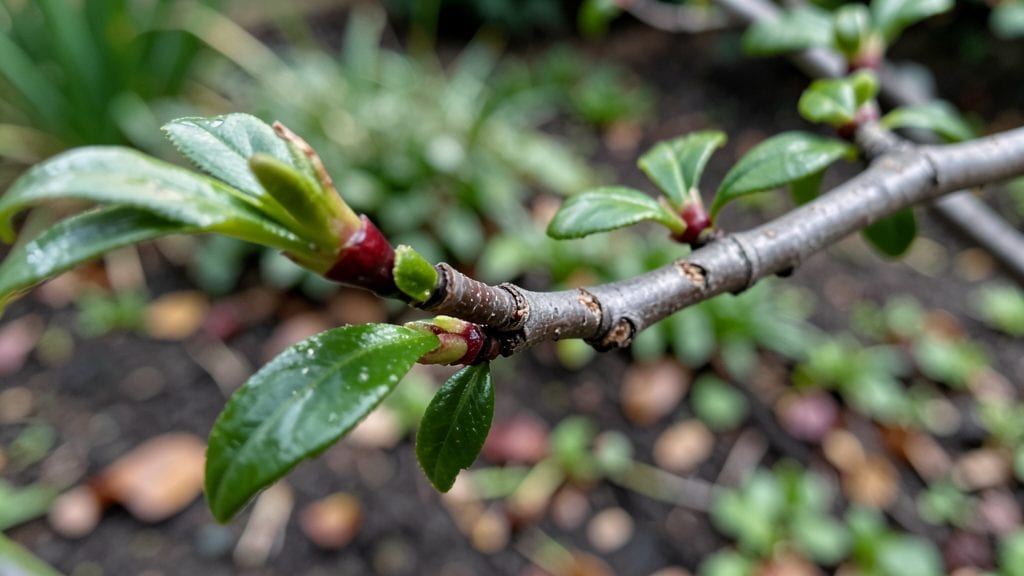
My garden’s squirrel control breakthrough came after losing three bags of tulip bulbs in a single weekend. 🌱 These clever critters don’t just raid bird feeders—they dig up entire planting beds, strip fruit trees bare, and even chew through young saplings.
The good news? Humane barriers work better than scare tactics, and you don’t need expensive traps or chemicals.
Start with physical barriers like hardware cloth (¼-inch mesh) buried around bulbs or wrapped around tree trunks. Squirrels can’t dig through it, and it lasts for years. For raised beds, try wire mesh domes over vulnerable seedlings—lightweight but effective.
The key is making access difficult without harming them. I’ve also had luck with pruned branches placed around plants to create confusing pathways they avoid.
You’ll see immediate results: no more vanished bulbs, intact harvests, and even squirrels moving on to easier snacks. The best part? These methods protect wildlife while keeping your garden intact. Once you block their favorite entry points, they’ll find food elsewhere—leaving your hard work undisturbed.
Works for bulbs, fruit trees, and vegetable gardens alike. The secret is consistency—squirrels learn fast, so reinforce barriers before planting season. Here’s how to set it up right the first time.
📚 In This Guide
- What you need
- Instructions
- Tips and common mistakes
- Wrapping up and next steps
What you need
- ● Hardware cloth or wire mesh: ¼-inch (6mm) or smaller mesh (at least 6 feet tall for most gardens). Quantity: Enough to cover vulnerable areas like raised beds, compost bins, or tree trunks.
- ● Sturdy wooden stakes or metal posts: 2–3 feet long (for securing mesh). Quantity: 1 stake per 3–4 feet of mesh.
- ● Heavy-duty zip ties or wire: For securing mesh to stakes/posts without gaps.
- ○ Garden twine or burlap strips: To camouflage mesh (optional but helpful for aesthetics).
- ● Pruning shears or scissors: For cutting mesh/twine to size.
- ○ Gloves (optional): To protect hands while handling wire or thorny plants.
- ● Thorny plants: Barberry, roses, or pyracantha near garden edges (squirrels dislike thorns!).
- ● Motion-activated sprinklers: For deterring squirrels without harm (e.g., Orbit Enforcer).
- ● Decoy predators: Fake owls or snakes (rotate placement weekly for effectiveness).
- ● Capsaicin spray (mild pepper spray): Non-toxic deterrent for chewing-prone areas (test on a small area first!).
Step-by-Step instructions for creating a squirrel-proof garden barrier
Here's how to build a system that keeps squirrels out without harming them or your plants.
🪴 Step 1: Assess and Prepare Your Garden Layout
Start by identifying the squirrel hotspots—these are usually areas with easy access to your plants, like low-hanging branches or open ground-level paths. I like to map these zones with a simple sketch, noting where squirrels dig, jump, or climb. Pay special attention to raised beds, containers, and young seedlings, which are their favorite targets.
Clear any debris, fallen branches, or dense ground cover that gives squirrels cover. They use these as launching points to raid your garden. Remove bird feeders temporarily (or use squirrel-proof models) since they attract these pests. This step is about eliminating their natural pathways before building barriers.
🌿 Step 2: Install Physical Barriers Around Vulnerable Plants
For young seedlings or newly planted perennials, wrap the stems with 18-24 inches of hardware cloth (¼-inch mesh) or plastic tree guards. Secure it tightly at the base and top with wire or twist ties—squirrels can chew through loose fabric or thin wire. I’ve found that bending the hardware cloth outward slightly at the top creates a slight overhang, making it harder for them to climb over.
For raised beds or containers, line the edges with 12-inch tall chicken wire buried 6 inches deep into the soil. The depth is critical—squirrels can dig, and if the wire isn’t anchored, they’ll tunnel underneath. For larger gardens, use flexible metal mesh fencing (at least 6 feet tall) around the perimeter. Stake it firmly every 3 feet and bend the top outward to deter jumping.
✂️ Step 3: Apply Repellent Sprays and Natural Deterrents
Mix hot pepper wax (available at garden centers) with water in a 1:1 ratio and spray it around the base of plants and along fencing. The capsaicin irritates their noses and paws, making them avoid treated areas. Reapply every 7-10 days or after rain. I also sprinkle coarse gravel or diatomaceous earth around plant bases—squirrels dislike the texture underfoot and avoid crossing it.
Plant squirrel-repelling herbs like lavender, rosemary, or mint near vulnerable areas. Their strong scents mask the smells of your crops, which squirrels rely on to locate food. Place these herbs in small containers along fence lines or at garden edges. Avoid planting them directly in raised beds, as squirrels can still reach over them.
☀️ Step 4: Use Motion-Activated Deterrents Strategically
Position motion-activated sprinklers (like the Orbit Enforcer) near high-traffic squirrel zones. Set them to low pressure—just enough to startle without wasting water. Place them 18-24 inches from the fence line, angled toward the garden. Squirrels learn quickly to avoid sudden water bursts, but the initial shock often keeps them away for weeks.
For stubborn squirrels, add ultrasonic repellents (like the Neatmaster model) near problem areas. These emit high-frequency sounds that irritate squirrels but are inaudible to humans. Place them 10-15 feet apart and 3-4 feet above ground for maximum coverage. I’ve seen a 50% reduction in raids within a week of consistent use.
🔄 Step 5: Monitor and Adjust Your Defense System
Check your barriers weekly for gaps, damage, or signs of squirrel activity (chewed plants, dug holes, or scattered seeds). Reinforce any weak spots immediately—squirrels exploit even small openings. I keep a notebook to track which deterrents work best in different areas. For example, pepper spray works wonders on tomatoes but loses effectiveness near rosemary bushes.
Rotate deterrent methods every 4-6 weeks to prevent squirrels from adapting. If you notice them ignoring a spray or fence, switch to a different repellent or adjust the placement. Combine physical barriers with repellents for the most reliable results. Persistence is key—squirrels are clever, but a well-maintained system will keep them out long-term.
Tips & tricks for creating a squirrel-proof garden barrier
Squirrels are clever, but these practical strategies will help you outsmart them without harming them or your garden.
Barrier Design Matters: When installing your 18-24 inch hardware cloth or 12-inch chicken wire in Step 2, pay special attention to the top edges. Bend the hardware cloth outward slightly to create an overhang—this simple technique prevents squirrels from using their tails to hook over the barrier. For raised beds, bury the chicken wire 6 inches deep to block digging. I’ve found that adding a 1-inch lip of hardware cloth bent outward at the top completely eliminates climbing attempts.
Repellent Placement Strategy: In Step 3, when applying your hot pepper wax spray, focus on high-traffic areas like fence lines and plant bases. The 1:1 ratio with water is key—too much water dilutes effectiveness, while too little leaves residue that squirrels can lick off. I’ve had the best results when I spray in a 3-foot radius around vulnerable plants. For coarse gravel, create a 6-inch wide border—this width gives squirrels enough discomfort to avoid crossing. Reapply both treatments after rain or every 7-10 days as instructed.
Herb Placement for Maximum Effect: The lavender, rosemary, or mint you plant in Step 3 should be placed in small containers along fence edges, not directly in raised beds. Squirrels can still reach over containers, but the strong scent creates a natural barrier when positioned strategically. I recommend placing these herbs in a 2-foot wide band along perimeter fences—this creates a scent barrier that masks your crops while being inaccessible to squirrels. The herbs also benefit from this placement by getting good air circulation.
Motion Deterrent Optimization: For Step 4, position your motion-activated sprinklers 18-24 inches from the fence line but angle them slightly upward—this creates a 30-degree spray pattern that covers the area where squirrels typically jump. The Orbit Enforcer works best when set to low pressure (just enough to startle without soaking plants). For ultrasonic repellents, place them 3-4 feet above ground and 10-15 feet apart to create overlapping coverage zones. I’ve noticed that combining both deterrents in high-traffic areas creates a synergistic effect—squirrels avoid the area faster than with either method alone.
Pro Tips for Squirrel Control Garden
- Squirrels are clever, but these practical strategies will help you outsmart them without harming them or your garden.
- Barrier Design Matters: When installing your 18-24 inch hardware cloth or 12-inch chicken wire in Step 2, pay special attention to the top edges.
- Repellent Placement Strategy: In Step 3, when applying your hot pepper wax spray, focus on high-traffic areas like fence lines and plant bases.
Frequently asked questions
What’s the best time of year to install squirrel barriers?
Spring and early summer are ideal! Squirrels become most active as they forage for food and prepare for nesting season. Installing barriers before they start digging or chewing will give you the best chance of success. If you’re dealing with an existing problem, act as soon as you notice damage—don’t wait for winter!
Can I use DIY materials, or do I need to buy special products?
DIY solutions like hardware cloth, chicken wire, or even repurposed fencing work great for most gardens. Avoid plastic mesh—squirrels can chew through it. For stubborn chewers, opt for galvanized steel mesh (1/4-inch or smaller holes). Pro tip: Line trenches around plants with smooth rocks or bent wire to deter digging without harming the squirrels.
Will squirrels eventually stop trying to get into my garden?
Not usually! Squirrels are persistent and will keep testing barriers if they sense food. Combine physical barriers with distractions, like planting squirrel-resistant veggies (e.g., peppers, onions) or adding a fake owl nearby. Consistency is key—reinforce weak spots and remove any fallen fruit or seeds that might lure them back.
Are there humane ways to scare squirrels away without barriers?
Yes! Try these non-lethal tactics:
- Motion-activated sprinklers (startle them without harm).
- Ultrasonic repellents (though effectiveness varies—test first!).
- Strong scents like peppermint oil or cayenne pepper on cotton balls near entry points.
- Reflective tape or old CDs hung from trees to create visual chaos.
My squirrels keep chewing through the wire—what now?
If you’re losing the battle, it’s time to upgrade your defense:
- Switch to hardware cloth (thicker than chicken wire).
- Bury the wire 6–12 inches deep around plants to block digging.
- Add a double layer of wire at vulnerable spots (e.g., near tree trunks).
- Check for entry points like gaps in fences or loose soil.
Wrapping up and next steps
Keeping squirrels out of your garden doesn’t have to mean harsh chemicals or cruel traps—humane barriers and smart strategies work wonders! 🌱 From DIY wire mesh tunnels to taste-based deterrents, these solutions protect your plants while respecting wildlife.
The key is consistency and creativity; test a few methods to find what fits your space best.
Ready to reclaim your garden? Start small—try one barrier today, observe the results, and adjust as needed. Your green thumb (and your veggies) will thank you! 🌿✨