Pruning
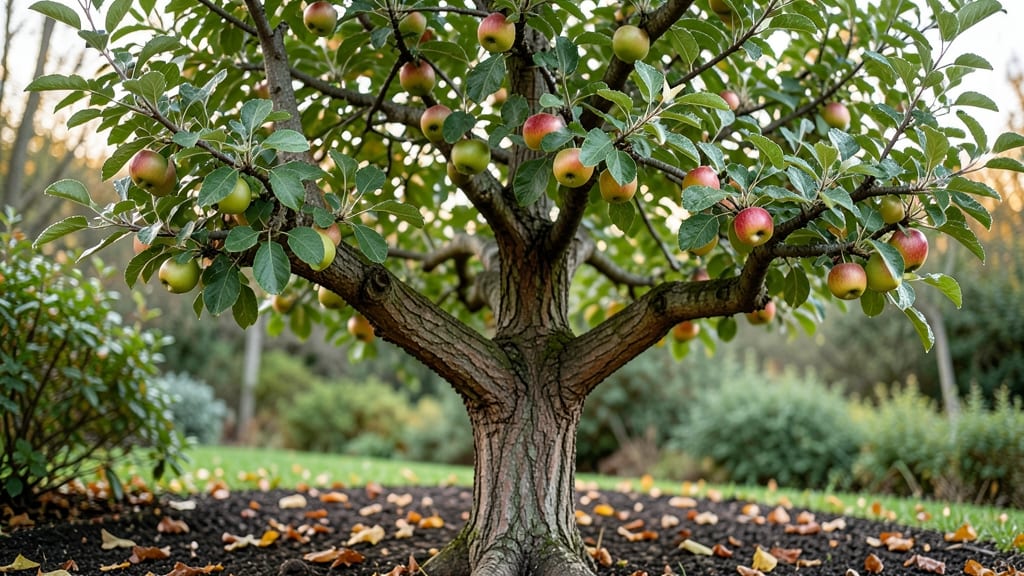
Growing apple trees from bare roots to fruit-bearing giants is the ultimate gardening marathon—one that rewards patience with crisp, sun-ripened rewards. 🌱 I’ve watched my first sapling grow from a 3-foot stick to a tree heavy with fruit, and the secret isn’t just in the planting.
It’s in the year-round care that keeps the roots happy, the branches strong, and the pests at bay.
The right variety makes all the difference—some thrive in your zone, others bolt at the first frost. Then there’s the soil: too sandy, and roots dry out; too clay-heavy, and water pools.
My trees now produce 300+ pounds of apples annually because I fixed drainage and added compost every spring. Pruning in winter? That’s where you shape the future harvest.
By summer, you’ll see the payoff: glossy leaves, white blossoms, and—if you’ve timed everything right—fruit that tastes like nothing from the grocery store. The key is consistency: watering deep but not drowning, fertilizing at the right times, and watching for early signs of disease before it spreads.
It’s not instant gratification, but the first bite of your homegrown apple makes every season worth it.
Whether you’re starting with a nursery sapling or grafting your own, this guide covers every step—from choosing a spot with full sun to winterizing for cold snaps. Let’s get those roots growing strong.
📚 In This Guide
- What you need
- Instructions
- Tips and common mistakes
- Wrapping up and next steps
What you need
- ● Pruning shears: Bypass pruners with sharp, clean blades (5–8 inches long) for cuts up to ½ inch in diameter.
- ● Loppers: Long-handled (24–36 inches) for thicker branches (½–2 inches in diameter).
- ● Pruning saw: Curved-tooth saw for branches over 2 inches thick (avoid straight teeth—they tear wood).
- ● Gloves: Heavy-duty, cut-resistant gloves (leather or reinforced fabric) to protect your hands.
- ● Disinfectant: 70% isopropyl alcohol or a 10% bleach solution (1 part bleach to 9 parts water) to sterilize tools between cuts and prevent disease spread.
- ● Rag or paper towels: For wiping down tools and branches.
- ○ Pruning sealant (optional but recommended): Tree wound paint or pruning sealant (like Tanglefoot Tree Wound Pruning Seal) to protect large cuts from pests and disease.
- ● Ladder or step stool: Sturdy, stable ladder (or a sturdy stool for smaller trees) to reach higher branches safely.
- ● Safety gear: Safety glasses (to shield from debris) and long sleeves/pants (to protect from thorns and sap).
- ● Trash bags or bucket: For collecting pruned branches and debris.
- ● Extension pole saw: For hard-to-reach branches without a ladder.
- ● Sharpener: A file or dedicated pruner sharpener to keep blades in top condition.
- ● Marking spray or tape: To tag branches for removal or marking cuts before pruning.
- ● Pruning rope or zip ties: For temporarily securing branches during heavy pruning.
- ● Work apron or tool belt: To keep tools organized and hands-free.
Step-by-step year-round care for healthy apple trees
Here’s how I keep my apple trees thriving through every season—no mystery, just proven care.
🌱 Step 1: Plant in the Right Spot and Soil
Choose a location with at least 6 hours of full sun daily and well-draining soil. Apple trees need space—plant them 20-25 feet apart to allow airflow and prevent disease. Dig a hole twice as wide as the root ball but no deeper, so the top of the root flare sits just above ground level.
Amend the native soil with 2-3 inches of compost mixed into the bottom of the hole. This boosts nutrients and improves drainage. Water the tree deeply before planting to help settle the roots. I always fill the hole halfway, place the tree in, and backfill with soil while gently tamping it down to remove air pockets.
☀️ Step 2: Water Deeply and Mulch Properly
Water your apple tree once a week for the first year, providing 10-15 gallons per tree. After that, water every 10-14 days during dry spells, ensuring the soil is moist 6 inches deep. Overwatering causes root rot, so let the top 2 inches of soil dry out between waterings.
Spread 3-4 inches of mulch (like wood chips) around the base, keeping it 6 inches away from the trunk. Mulch retains moisture, regulates soil temperature, and suppresses weeds. Refresh the mulch layer annually in early spring to maintain its effectiveness.
✂️ Step 3: Prune for Shape and Health
Prune your apple tree in late winter or early spring before buds swell. Remove dead, diseased, or crossing branches first, then shape the tree by cutting back last year’s growth by about one-third. Always make cuts at a 45-degree angle just above a bud or branch collar.
Thin out crowded branches to improve airflow and sunlight penetration. I aim for an open center—this reduces humidity inside the canopy, which prevents fungal diseases. Avoid heavy pruning in fall, as it stimulates new growth that won’t harden off before winter.
🌿 Step 4: Fertilize and Monitor for Pests
Apply a balanced 10-10-10 fertilizer in early spring, spreading it 6 inches from the trunk and watering it in. Repeat in early summer if the tree shows signs of stress, like yellowing leaves or stunted growth. Avoid fertilizing in fall—it encourages tender new growth that won’t survive winter.
Watch for aphids, codling moths, and apple scab—common pests and diseases. I spray neem oil or horticultural oil in early spring as a preventive measure. For apple scab, apply a copper fungicide when buds swell and again after petal fall. Always follow label instructions for timing and application rates.
⏰ Step 5: Winter Protection and Spring Prep
In late fall, wrap the trunk of young trees with tree guard or burlap to protect against voles and frost cracks. Older trees benefit from a 3-4 inch layer of mulch around the base to insulate roots. Avoid piling mulch against the trunk—this can trap moisture and cause rot.
In early spring, remove any mummified fruit left on the tree from the previous year. This reduces pest populations and fungal spores. Prune out any dead wood and apply a fresh layer of mulch before buds break. This sets the tree up for a strong growing season ahead.
Tips & tricks for perfect apple tree gardening
Keeping apple trees healthy year-round takes patience and precision—but these tricks will help you avoid common pitfalls and grow fruit trees that thrive.
Sunlight and Spacing: That 6 hours of full sun is non-negotiable for apple trees, but here's what I've learned: position trees to receive morning sun and afternoon shade in hot climates. The 20-25 feet spacing isn't just about room to grow—it's about airflow. I've seen fungal diseases spread rapidly in crowded plantings where branches touch. Trust me, you'll notice the difference in fruit quality and tree health after just one season of proper spacing.
Soil Preparation: When amending with 2-3 inches of compost, I recommend mixing in some perlite or coarse sand if your native soil is heavy clay. This improves drainage without changing the soil structure too dramatically. The key is to work the compost into the bottom of the hole—this creates an ideal root environment right where new roots will establish. Don't skip the deep watering before planting; it helps settle the roots into their new home and prevents air pockets.
Watering Wisdom: The once-a-week watering for the first year might seem like a lot, but those 10-15 gallons per tree are crucial for establishing strong roots. I've seen many gardeners overwater by checking soil moisture too frequently—remember, let that top 2 inches dry out between waterings. For mature trees, I use a soil probe to check moisture at 6 inches deep; if it's dry, that's your cue to water. This method prevents both underwatering and the dreaded root rot from overwatering.
Pruning Precision: When shaping the tree by cutting back last year's growth by one-third, focus on removing branches that grow inward or downward. These are the ones that create that "humidity trap" inside the canopy. I always make my cuts at a 45-degree angle just above a bud—this encourages new growth in the right direction. And here's a pro tip: use sharp pruners and clean them with rubbing alcohol between cuts to prevent spreading disease. The open center you're aiming for isn't just about looks; it's about creating an environment where air circulates and sunlight reaches all parts of the tree.
Pro Tips for Apple Tree Gardening
- Keeping apple trees healthy year-round takes patience and precision—but these tricks will help you avoid common pitfalls and grow fruit trees that thrive.
- Sunlight and Spacing: That 6 hours of full sun is non-negotiable for apple trees, but here's what I've learned: position trees to receive morning sun and afternoon shade in hot climates.
- Soil Preparation: When amending with 2-3 inches of compost, I recommend mixing in some perlite or coarse sand if your native soil is heavy clay.
Frequently asked questions
Got questions about growing your own apple tree? You’re not alone! Here are some of the most common concerns—plus expert tips to keep your tree thriving from blossom to harvest.
When is the best time to prune an apple tree?
The ideal time to prune is late winter or early spring (just before buds swell) to remove dead wood and shape the tree. Avoid heavy pruning in fall, as wounds take longer to heal. Pro tip: If you must prune in summer, do it after harvest to prevent disease spread.
How do I know if my apple tree isn’t getting enough sunlight?
Apple trees need 6–8 hours of full sun daily. Signs of insufficient light include small leaves, sparse fruiting, or weak growth. If your tree is shaded, consider transplanting to a sunnier spot or thinning nearby foliage. Pro tip: Dwarf varieties tolerate partial shade better than standard trees.
Why aren’t my apple tree’s flowers turning into fruit?
Common culprits include poor pollination, frost damage, or over-pruning. Ensure your tree has a pollinator (like a honeybee or another apple variety) nearby. Thin flowers early to avoid overcrowding fruit later. Pro tip: If frost hits blossoms, hand-pollinate with a small brush!
Can I grow an apple tree in a container?
Yes! Dwarf varieties (like ‘Columnar’ or ‘Patio’) thrive in containers with well-draining soil and 15–20 gallons of space. Use a large pot with drainage holes and move it to a sunny spot. Pro tip: Fertilize monthly in spring/summer for best results.
How do I protect my apple tree from pests like aphids or borers?
Start with preventative care: Remove fallen fruit, keep the area clean, and apply neem oil or insecticidal soap early. For borers, wrap the trunk with tree banding material in late winter. Pro tip: Encourage beneficial insects like ladybugs—they’re natural pest predators!
Wrapping up and next steps
Growing a thriving apple tree is a rewarding journey that blends patience, care, and a little know-how. From selecting the right tools to mastering pruning techniques and troubleshooting common issues, this guide has equipped you with the essentials for year-round success. 🍏✨
Now that you’re armed with the knowledge, it’s time to roll up your sleeves and put it into action! Start by assessing your tree today—whether it’s shaping its branches, protecting it from pests, or planning next season’s care. Happy gardening, and may your orchard be bountiful!