Shrubs
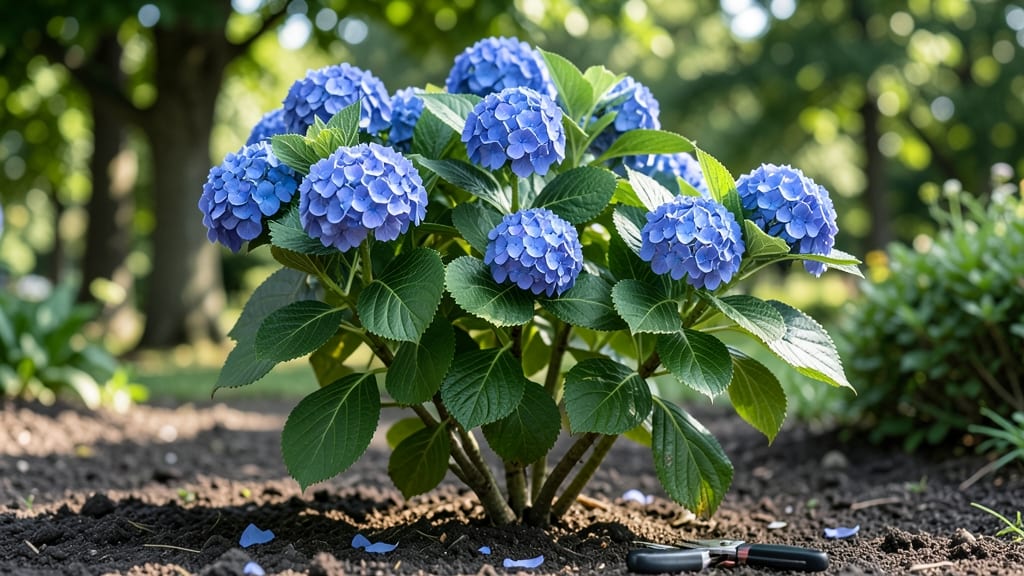
The best garden shrubs transform your yard into a low-maintenance masterpiece that thrives year-round. I’ve tested dozens over the years, and these stand out for their bold foliage, season-long interest, and ability to handle neglect—once established, they practically take care of themselves.
The secret lies in choosing shrubs that match your climate, sunlight, and design goals without demanding constant pruning or fussing.
Picture this: a sunny border where hydrangeas bloom in summer while evergreen boxwoods keep the space lush in winter, all with minimal trimming. Or a backyard privacy screen of arborvitae that grows tall without needing shears more than once a year.
These shrubs deliver structure, color, and texture with almost no effort after the initial planting—ideal for busy gardeners or those who love the idea of a garden that works as hard as they do.
By the end of this guide, you’ll know exactly which shrubs to pair for height layers, which thrive in shade or full sun, and how to place them for maximum impact with minimal upkeep.
We’re talking fragrant blooms, deep green foliage, and even winter berries—all while keeping your to-do list short. Let’s get your yard looking effortlessly polished without the constant work.
From foundation plants that define your property lines to statement shrubs that steal the show, these picks adapt to any space—small city yards, sprawling estates, or everything in between.
The best part? Once planted, they’ll reward you with decades of beauty and near-zero maintenance. Ready to upgrade your landscape the easy way?
📚 In This Guide
- What you need
- Instructions
- Tips and common mistakes
- Wrapping up and next steps
What you need
- ● Shrubs: Choose 3–5 varieties (e.g., Boxwood, Hydrangea, Abelia, or Holly) based on your climate zone and sunlight exposure.
- ● Potting soil: 2–3 bags (50 lbs each) of high-quality, well-draining potting mix (e.g., Miracle-Gro or FoxFarm Ocean Forest).
- ● Mulch: 1–2 bags (4 cu. ft. each) of organic mulch (e.g., pine bark or shredded cedar) to retain moisture and suppress weeds.
- ● Fertilizer: Slow-release granular fertilizer (e.g., Osmocote Smart-Release) – 1 lb per shrub.
- ○ Optional: Organic compost (e.g., worm castings or aged manure) for nutrient boost.
- ● Pruning tools: Bypass pruners (for clean cuts) – 1 pair.
- ● Loppers (for thicker branches) – 1 pair.
- ● Hand saw (for stubborn stems) – 1.
- ● Gloves: Heavy-duty gardening gloves (e.g., Wolverine or Fiskars) – 1 pair.
- ● Watering can or hose: With adjustable nozzle for gentle watering.
- ● Plant markers: Biodegradable labels (e.g., wooden stakes or metal tags) – 10–20.
- ● Sunlight assessment: Measure your garden’s sunlight exposure (full sun, partial shade, or full shade) to match shrub needs.
- ○ Soil test: Optional but recommended – Use a DIY soil test kit or send a sample to a local extension office to check pH and nutrients.
- ● Planting location: Dig holes twice as wide as the root ball but no deeper.
- ● Space shrubs 3–6 feet apart (depending on mature size).
- ● Water source: Ensure easy access to a hose or watering can for the first 2–3 weeks post-planting.
- ● Seasonal timing: Plant in early spring or fall for best root establishment.
- ● 🌡️ Climate matters: Check your USDA Hardiness Zone to pick shrubs that thrive in your area.
- ● ✨ Soil amends: For clay soil, mix in sand or perlite to improve drainage.
- ● 🎯 Mulch like a pro: Apply a 2–3 inch layer of mulch around (not touching) the shrub’s base.
- ● 🔥 Prune strategically: Use sterilized tools to avoid spreading disease.
Instructions for selecting and planting the best low-maintenance garden shrubs
Here's my proven approach to choosing and establishing shrubs that deliver year-round beauty with minimal fuss.
Choose Four Foundation Shrubs for Year-Round Interest
For maximum impact with minimal pruning, I select shrubs that offer seasonal interest: Oakleaf hydrangea for spring blooms and fiery fall foliage, Dwarf Fothergilla for fragrant spring flowers and brilliant autumn color, Inkberry holly for evergreen structure and winter berries, and Boxwood for dense, sculptural foliage that stays green all year.
Each plant serves a distinct purpose in the landscape—hydrangea provides soft texture and volume, Fothergilla adds vertical interest with its upright growth habit, Inkberry delivers winter color when most plants are dormant, and boxwood creates clean, geometric lines. Space them 6-8 feet apart in a staggered pattern to create depth and prevent competition.
Prepare the Planting Site for Optimal Growth
Shrubs thrive when planted in well-draining soil with 2-3 inches of compost mixed into the top 12 inches of soil. I test the pH first—hydrangeas prefer 5.5-6.0 for blue blooms, while boxwoods tolerate 6.0-7.0. Amend the soil with sulfur if needed to lower pH or lime to raise it, following package instructions precisely.
Dig holes twice as wide as the root ball but no deeper—this encourages outward root growth rather than forcing roots to circle at the bottom. The top of the root ball should sit 1-2 inches above ground level to prevent waterlogging. Water each hole thoroughly before planting to settle the soil.
Plant with Proper Spacing and Mulching
Remove each shrub from its container and loosen the roots gently if they appear circling. Place the plant in the hole so the root flare (where roots meet the trunk) is visible above the soil line. Backfill with native soil mixed with 1 part compost to the original level, tamping lightly every 3 inches to eliminate air pockets.
Water deeply to settle the soil, then apply 3 inches of mulch (like pine bark or shredded leaves) in a 3-inch-wide ring around each plant, keeping it 3 inches away from the trunk. This conserves moisture, regulates soil temperature, and prevents weed competition. I use the 4-shrub planting to create a balanced, layered look that requires no more than annual pruning to maintain shape.
Establish a Watering Schedule for the First Season
Newly planted shrubs need 1-1½ inches of water per week for the first 12 months, either from rainfall or supplemental watering. I check soil moisture by inserting my finger 2 inches deep—if it feels dry, water deeply until moisture reaches 6 inches down. Overwatering is the biggest mistake here—soggy soil suffocates roots.
Water at dawn or dusk to reduce evaporation and fungal risks. After the first year, most of these shrubs become drought-tolerant, but I still monitor during prolonged dry spells. The key is deep, infrequent watering rather than light, frequent sprinkling that only wets the surface.
Implement Minimal Pruning for Healthy Growth
Prune hydrangeas immediately after flowering to shape and remove dead wood, while Fothergilla and Inkberry only need occasional trimming to maintain their natural form. Boxwoods benefit from light pruning in late spring to encourage dense growth. Always use clean, sharp pruners and make cuts just above a leaf node or bud.
Remove no more than one-third of the plant's volume in any single pruning session. I focus on thinning out crowded branches rather than shearing, which creates weak, leggy growth. The goal is to maintain the plant's natural shape while removing dead, diseased, or crossing branches that compete for resources.
Tips & tricks for perfect year-round shrub plantings
Creating a low-maintenance shrub garden that thrives all year requires strategic planning and a few key insights about each plant's unique needs.
Plant Selection Strategy: When choosing your four foundation shrubs, consider the mature size of each variety to ensure they won't outgrow their space. For example, the Inkberry holly typically reaches 6-10 feet tall, while boxwoods stay compact at 3-5 feet. This size contrast creates beautiful visual layers in your landscape design. I always verify the mature height and spread specifications on the plant tag before purchasing to avoid future crowding issues.
Soil Preparation Insight: The 2-3 inches of compost mixed into the top 12 inches of soil creates an ideal growing environment that mimics the natural forest floor these shrubs evolved in. For acid-loving plants like hydrangeas, I recommend using peat moss or pine bark fines in your compost mix to maintain the proper pH range. Remember that soil pH testing is crucial—hydrangeas need that 5.5-6.0 range for those stunning blue blooms, while boxwoods prefer slightly more alkaline soil at 6.0-7.0.
Root Development Technique: The wider-than-deep planting method in Step 2 encourages strong root establishment outward rather than forcing roots to circle at the bottom of the hole. After planting, I create small trenches around the root ball and water them thoroughly to stimulate root growth outward. This technique helps establish a robust root system that can support the plant through drought periods and seasonal changes.
Mulching Mastery: The 3-inch mulch ring you apply creates a protective barrier that regulates soil temperature and conserves moisture. I prefer organic mulches like pine bark or shredded leaves because they break down over time, adding valuable organic matter to the soil. Be sure to keep that mulch 3 inches away from the trunk to prevent rot and pest issues. This mulching technique also suppresses weeds naturally, reducing maintenance efforts significantly.
Pro Tips for Best Garden Shrubs
- Creating a low-maintenance shrub garden that thrives all year requires strategic planning and a few key insights about each plant's unique needs.
- Plant Selection Strategy: When choosing your four foundation shrubs, consider the mature size of each variety to ensure they won't outgrow their space.
- Soil Preparation Insight: The 2-3 inches of compost mixed into the top 12 inches of soil creates an ideal growing environment that mimics the natural forest floor these shrubs evolved in.
Frequently asked questions
Got questions about choosing and caring for the best garden shrubs?
We’ve got answers! Whether you’re a beginner or a seasoned gardener, these FAQs will help you pick, plant, and maintain low-maintenance shrubs that thrive year-round.
What are the easiest shrubs to grow for beginners?
Start with boxwoods, hydrangeas, or abelia—they’re hardy, adaptable, and forgiving. Boxwoods tolerate shade, hydrangeas bloom prolifically, and abelia thrives in heat. All three require minimal pruning and handle neglect well, making them perfect for new gardeners.
When is the best time to plant garden shrubs?
Plant in early spring or fall for optimal root establishment. Avoid extreme heat or frost. Spring planting (after the last frost) gives shrubs time to grow before winter, while fall planting (6-8 weeks before frost) lets roots settle before dormancy. Pro tip: Water deeply after planting and mulch to retain moisture!
How do I keep shrubs looking neat without heavy pruning?
Use selective pruning to shape shrubs naturally. Trim just the tips of overgrown branches in late winter or early spring to encourage bushier growth. For flowering shrubs, prune right after blooming to avoid cutting off next year’s flowers. Tools like bypass pruners make clean cuts effortlessly!
What’s the best way to prevent pests and diseases in shrubs?
Healthy soil and proper spacing reduce issues. Water at the base (not leaves) to deter fungal diseases, and mulch to retain moisture. Monitor for pests like aphids or spider mites—spray with neem oil or insecticidal soap if needed. Healthy plants resist pests better than stressed ones!
Can I grow shrubs in containers, or do they need ground planting?
Many shrubs thrive in containers! Dwarf varieties (like dwarf lilacs or boxwoods) are ideal. Use well-draining soil, a pot with drainage holes, and repot every 2-3 years. Just ensure they get enough sunlight and water—container plants dry out faster than in-ground shrubs.
Wrapping up and next steps
Transforming your garden into a low-maintenance, evergreen oasis is easier than you think! The right shrubs—like boxwood, hydrangeas, or abelia—deliver year-round structure, beauty, and resilience with minimal pruning. Whether you crave color, texture, or privacy, these top picks bring effortless elegance to any space. 🌿
Ready to elevate your outdoor haven? Start small:
- Pick one or two shrubs that match your climate and style.
- Plant them in well-draining soil with proper spacing.
- Enjoy watching them thrive with just a little seasonal care!