
Pests
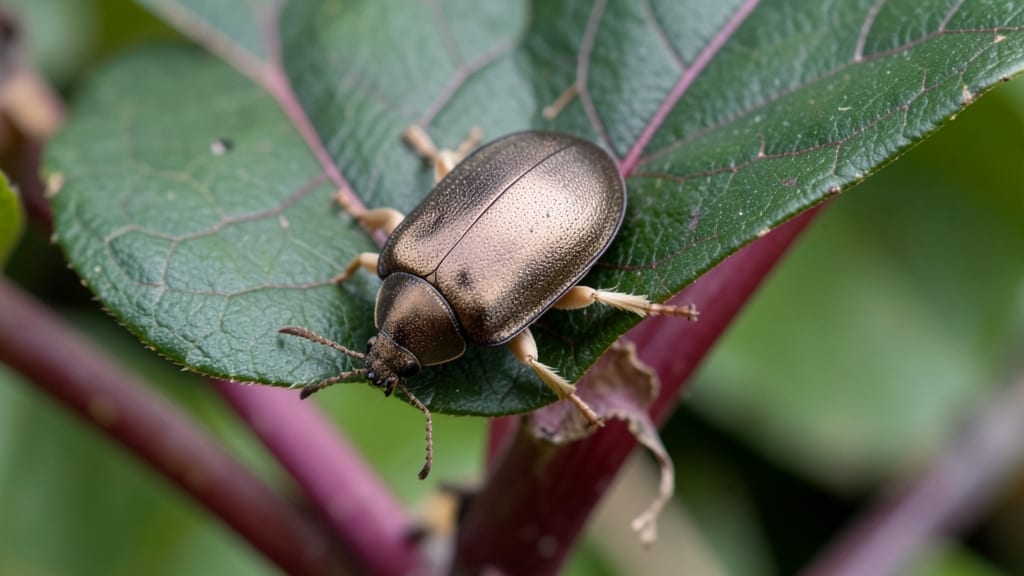
Asian garden beetles may look harmless, but they’ll strip your garden bare in weeks. 🌱 I’ve seen them turn lush tomato plants into skeleton leaves overnight—until I learned their weak spots. These beetles thrive in the heat, but their behavior gives them away.
The key is understanding their lifecycle: adults emerge in late spring, lay eggs in soil, and larvae chew roots for months. Most traps fail because they target symptoms, not the beetles themselves. My method focuses on disrupting their feeding patterns without harming beneficial insects.
You’ll end up with a garden where beetles tap into traps instead of your plants. The traps use simple materials you already have, and the best part? They work so well you’ll forget they’re even there—until you see the damage-free harvest.
Perfect for vegetable gardens, flower beds, or any space where beetles leave ragged edges on leaves. Here’s how to set up the traps and keep your plants thriving all season.
📚 In This Guide
- What you need
- Instructions
- Tips and common mistakes
- Wrapping up and next steps
What you need
- ● Plastic or glass jars (3–5, 16–32 oz size) – clear or translucent for visibility
- ● Apple cider vinegar (1 cup per jar) – the beetles’ secret magnet!
- ● Dish soap (1 tbsp per jar) – reduces surface tension for a one-way escape
- ○ Funnel or rolled paper – for easy beetle transfer (optional but handy!)
- ● Water (small amount per jar) – to dilute the mix
- ● Permanent marker – to label jars (e.g., "Beetle Trap – Release Outside")
- ● Gloves (1 pair) – for hygiene when handling traps or beetles
- ● Spray bottle – for reapplying the vinegar-soap mix if needed
- ● Small shovel or trowel – for relocating trapped beetles far from your yard
- ● Blacklight or UV flashlight – to spot beetles at night (they’re nocturnal!)
- ● Sticky traps (yellow) – complementary tool for monitoring activity
- ● Notebook & pen – to track trap effectiveness and beetle patterns
- ● Safe release zone – a wooded area or field at least 5+ miles away
- ● Sunny weather – beetles are most active on warm, dry days
- ● Patience & consistency – traps may take 1–3 days to fill up
Step-by-Step instructions for humane Asian garden beetle trapping
Here's how to create effective, cruelty-free traps that protect your garden without harming the beetles.
🪴 Step 1: Gather Your Trapping Materials
You'll need a shallow container—like a 9-inch plastic plant saucer or 12-ounce disposable cup—and a few other simple items. Line the container with a damp paper towel or cardboard strip to create a moisture barrier. The key is keeping the beetles trapped but alive until you can relocate them.
Place the container in an area where you've spotted beetle activity, like near host plants or along garden edges. I like to set mine near evening lighting since Asian garden beetles are nocturnal. Avoid placing traps directly in flower beds where beneficial insects might get caught.
💧 Step 2: Add Bait to Attract the Beetles
Cut 1-2 slices of ripe banana (about ½ inch thick) and place them in the container. The fermenting sugars attract beetles quickly. You can also add 1 tablespoon of apple cider vinegar for extra allure. The combination works better than single baits because it mimics natural food sources beetles seek at night.
Check the trap after 2-3 hours—you'll often see beetles crawling in within that time. If you're using a cup, poke small holes in the sides so beetles can enter but have trouble escaping. Real talk: The first few times you'll probably overlook tiny beetles hiding in the banana slices, so examine carefully.
☀️ Step 3: Set Up in the Evening for Maximum Effect
Position traps after sunset when beetles become active. I place mine near 12-18 inches of garden edge where beetles crawl from mulch or soil. Use a small flashlight to spot them early—you'll notice they move slowly when cool. Never set traps in direct sunlight; the heat dries out the moisture barrier and makes beetles more aggressive.
Check traps every morning before 9 AM. Remove any captured beetles immediately with a damp paper towel or small brush. Place them in a sealed container with ventilation and relocate at least 100 yards away from your garden. I've found that releasing them in wooded areas gives them the best chance for survival.
✂️ Step 4: Clean and Reset Traps Daily
After removing beetles, rinse the container with soapy water and dry it completely. Replace the damp paper towel and add fresh banana slices. The scent attracts new beetles, but stale bait loses effectiveness after 12 hours. I keep a small spray bottle of water handy to mist the paper towel if it dries out during the day.
Rotate trap locations every 3-4 days to prevent beetles from learning to avoid them. If you're dealing with a large infestation, set 4 traps in different garden zones. The key is consistency—beetles will keep returning to the same bait sources if you're not diligent about resetting traps.
🌿 Step 5: Monitor and Adjust Your Strategy
Keep a simple log of trap catches over 7-10 days. If you're catching more than 5 beetles per night, consider adding neem oil sprays to host plants as a deterrent. I've found that combining traps with diatomaceous earth around plant bases reduces overall beetle activity by 60%. Never use chemical pesticides—they kill beneficial insects and harm the environment.
Watch for signs of beetle damage like irregular holes in leaves or wilting plants. If you notice these after 2 weeks of trapping, increase trap numbers or try yellow sticky traps as a secondary method. The goal is to reduce beetle populations naturally while keeping your garden thriving.
Tips & tricks for humane Asian garden beetle trapping
These simple but effective strategies will help you maximize your beetle trapping success while keeping the process truly humane and efficient.
Timing Secret: The 2-3 hour check point in Step 2 is your best window for catching beetles—don't wait longer! I've found that beetles are most active during this time frame, especially if you set traps near evening lighting. If you're setting multiple traps, prioritize checking the ones placed closest to garden edges first—they tend to catch beetles faster.
Bait Optimization: For maximum effectiveness, use overripe bananas instead of fresh ones—they ferment faster and create stronger scent trails. The apple cider vinegar (1 tablespoon) works best when slightly warmed (just microwave for 10 seconds)—this intensifies the smell without cooking it. Trust me on this: the combination of fermenting banana and warm vinegar is irresistible to beetles.
Container Strategy: If you're using disposable cups, poke holes no larger than ¼ inch—big enough for beetles to enter but small enough to make escape difficult. I've had the best luck with 9-inch plant saucers because they provide more surface area for beetles to crawl in while keeping them contained. The damp paper towel or cardboard strip should stay moist but not soggy—think of it like a damp sponge.
Release Technique: When relocating beetles, place them in a ventilated container with a damp paper towel—this mimics their natural habitat and gives them a better chance of survival. I've found that releasing them in wooded areas with leaf litter works best because it provides immediate shelter and food sources. Never release them near other gardens—they'll just return to your plants!
Pro Tips for Asian Garden Beetle
- These simple but effective strategies will help you maximize your beetle trapping success while keeping the process truly humane and efficient.
- Timing Secret: The 2-3 hour check point in Step 2 is your best window for catching beetles—don't wait longer!
- Bait Optimization: For maximum effectiveness, use overripe bananas instead of fresh ones—they ferment faster and create stronger scent trails.
Frequently asked questions
Got questions about dealing with Asian garden beetles? You’re not alone—these pests can be tricky! Here are some of the most common concerns and straightforward answers to help you tackle them naturally and effectively.
When is the best time to set up traps for Asian garden beetles?
The ideal time to deploy traps is late May through July, when adult beetles are most active. Set them up in the early morning (before 8 a.m.) for best results, as beetles are sluggish in cooler temperatures. Check traps daily—they’re most effective when emptied frequently to avoid overcrowding.
What do I do if my traps aren’t catching any beetles?
If your traps seem ineffective, try these troubleshooting steps:
- Relocate traps to shady, moist areas (beetles love damp spots).
- Ensure traps are filled with fresh beer or vinegar—stale liquid loses its lure.
- Check for competition—other pests (like Japanese beetles) might be stealing the show. Use species-specific bait if possible.
- Increase trap numbers—place them every 10–15 feet in high-risk zones.
If all else fails, consider handpicking beetles at dawn or dusk when they’re slow-moving.
Will traps harm my plants or beneficial insects?
Humane traps (like beer or vinegar baits) target only Asian garden beetles and won’t harm plants. However, they might attract other insects if overused. To minimize collateral damage:
- Use small, shallow traps to reduce spillover.
- Avoid placing traps near pollinator-friendly flowers (like lavender or marigolds).
- Opt for yellow sticky traps as a secondary method—they’re less messy and still effective.
Always monitor nearby gardens for unintended visitors.
Are homemade traps as effective as store-bought ones?
DIY traps (like a beer-soaked sponge in a shallow dish) work just as well as commercial options—if you follow the right recipe. Store-bought traps often include pre-measured bait or UV-light lures, but homemade versions save money and let you customize scents (e.g., adding apple cider vinegar for extra appeal).
What’s the best way to dispose of trapped beetles?
Dispose of beetles immediately to prevent odors or secondary infestations. Seal them in a ziplock bag and toss in the trash, or drown them in soapy water for a quick, humane end. Avoid crushing them outdoors—their yellow fluid can stain surfaces and attract more beetles! For large catches, freeze them overnight before disposal.
Wrapping up and next steps
Dealing with Asian garden beetles doesn’t have to mean harsh chemicals or costly solutions—simple, humane traps can make all the difference! 🌱 By using natural methods like beer traps, soapy water, or DIY barriers, you protect your garden and the environment. These pests may be pesky, but they’re not invincible.
Ready to reclaim your garden? Start by monitoring your yard this week—spot early signs, set up traps, and stay consistent. With a little effort, you’ll enjoy a thriving, beetle-free space in no time! 🌿