
Vegetables
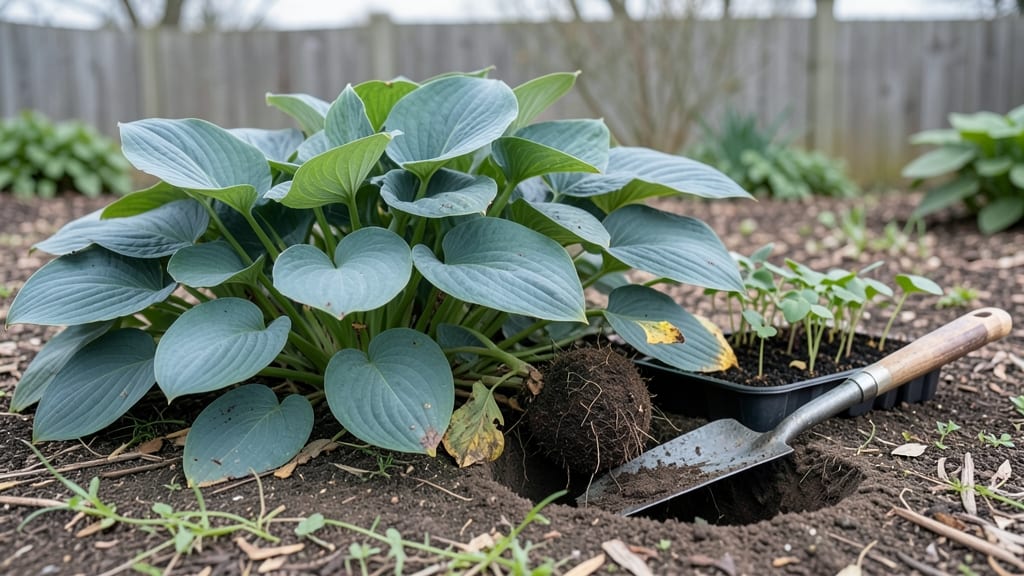
Understanding DC garden zones means recognizing Washington, D.C., falls in USDA Hardiness Zones 7b to 8a, supporting plants that thrive in 5°F to 14°F winter lows. This mild climate excels for growing vegetables like tomatoes and peppers, plus perennials such as lavender and daylilies. For precise planting guidance, consult the USDA Plant Hardiness Map.
Washington, D.C.'s climate creates a unique growing environment where summer heat and moderate winters extend the gardening season. 🌿 The city's urban heat island effect can push microclimates into Zone 8a in some areas, allowing even more heat-tolerant plants to thrive.
I’ve seen gardeners in neighborhoods like Capitol Hill successfully grow citrus trees and figs by leveraging these microclimates—something you wouldn’t expect in traditional Zone 7b areas.
For practical success, focus on seasonal planting windows: start cool-season crops like broccoli in early spring or late summer, while heat-lovers like okra and sweet potatoes shine in August.
Container gardening also works wonders in D.C., letting you adjust plant placement based on sun exposure and temperature shifts throughout the day.
💡 In This Article
- How USDA Hardiness Zones Define DC Plant Growth
- Top DC-Friendly Crops and Gardening Tips for Each Season
How USDA hardiness zones define DC plant growth
The USDA Plant Hardiness Zone Map divides North America into 13 zones based on average annual minimum winter temperatures. DC’s 7b to 8a classification means the coldest winter temperatures typically range from 0°F to 10°F, while the warmest summer averages hit 86°F to 90°F.
This mild range creates a unique growing window—longer than northern regions but with occasional heatwaves that challenge heat-sensitive plants. The key factor? DC’s 180-240 frost-free days, which allows for extended growing seasons when compared to colder zones.
The transition from Zone 7b (northern neighborhoods like Takoma Park) to Zone 8a (southern areas near Alexandria) happens due to the urban heat island effect. Concrete and asphalt absorb and radiate heat, raising microclimate temperatures by 5°F to 10°F in city centers.
This explains why some DC gardeners grow lemon trees (Zone 9) in protected microclimates, while others in Zone 7b must use cold frames for tender plants. Elevation also plays a role—higher areas like Fort Dupont Park experience slightly cooler temps than low-lying Anacostia neighborhoods.
Seasonal shifts matter most for planting schedules. Spring arrives by mid-March in DC, but frost can linger until mid-April in colder microclimates. Summer’s 90°F+ heat demands shade for lettuce and spinach, while fall’s crisp air (ideal for broccoli and kale) lasts until November.
The first frost typically hits November 15, but urban heat islands can delay it by 2-3 weeks in city centers. This variability means gardeners must monitor local weather patterns closely.
Here’s what’s actually happening with plant survival: Most annuals die when exposed to 28°F for more than 24 hours, while perennials like lavender (Zone 5) survive 5°F temps.
The 10°F difference between DC’s zones explains why fig trees thrive in Zone 8a but need winter protection in Zone 7b. Soil temperature also matters—cool-season crops like peas germinate at 40°F, while warm-season tomatoes need 60°F+ soil.
Microclimates create opportunities for creative gardening. A south-facing wall can add 10°F of warmth, while container gardens let you move plants between sun and shade. For example, peppers (Zone 9) can thrive in containers moved to shaded patios during 95°F+ heatwaves.
The science behind this is simple: heat absorption from surfaces and air circulation in containers regulate temperature extremes better than in-ground planting.
What most people don’t realize is how humidity affects DC’s zones too. Summer humidity (often 60-70%) stresses heat-sensitive plants like cucumbers, while winter humidity (50%) helps protect evergreens.
This is why Zone 7b gardeners might struggle with powdery mildew on squash, while Zone 8a areas see more heat stress in tomatoes. Adjusting irrigation and mulching can mitigate these effects.
For precise planning, use the USDA Interactive Map to zoom into your neighborhood’s exact zone. Then, add 2-3°F if you’re in a paved urban area—this simple adjustment explains why your neighbor’s citrus tree thrives while yours doesn’t. The takeaway?
DC’s zones aren’t just numbers—they’re a tool for understanding how to work with (not against) your local climate. 💫