
Pests and Diseases
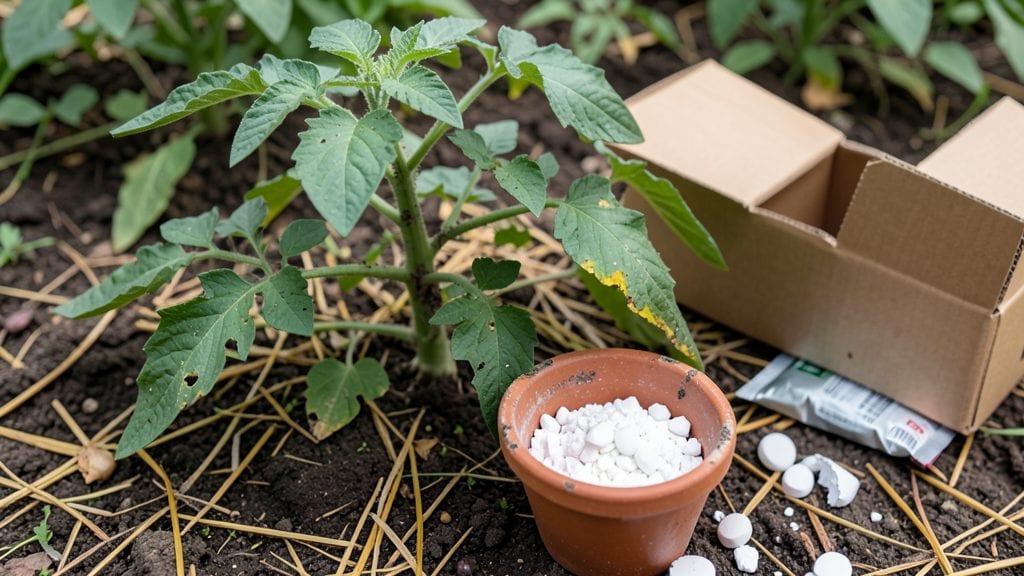
Using aspirin for garden purposes involves dissolving crushed tablets in water to create a foliar spray that can strengthen plants, deter pests, and promote growth when applied in diluted form. Always use unsweetened aspirin and avoid overuse to prevent plant damage.
Salicylic acid—the active ingredient in aspirin—works like a natural plant hormone, triggering defenses against pests and diseases. 🌱 When applied as a spray, it mimics the plant's own systemic acquired resistance (SAR), helping it fend off fungal infections and insect attacks.
Gardeners swear by it for everything from reviving stressed plants to keeping aphids away, though the science shows it's most effective when used preventatively rather than as a cure.
For best results, I recommend mixing 1 crushed aspirin tablet per quart of water and spraying foliage in the early morning or evening.
Some gardeners add a few drops of dish soap to help the solution stick to leaves, but always test on a small area first—some plants, like citrus, can be sensitive to aspirin's acidity.
The key is consistency: applying it every 2-4 weeks during growing season keeps plants resilient without overloading them.
💡 In This Article
- How Aspirin Boosts Plant Health Mechanically
- DIY Aspirin Spray Recipes for Pest Control and Growth
How aspirin boosts plant health mechanically
Here's what's actually happening when you spray aspirin on plants: salicylic acid—the same compound that reduces inflammation in humans—acts as a signaling molecule in plants. It triggers systemic acquired resistance (SAR), a natural defense mechanism that primes plants to respond faster to pathogens.
Studies show that when plants detect salicylic acid, they produce protective proteins and antioxidants that neutralize fungal spores and bacterial infections before they take hold. This is why aspirin-treated plants often show fewer signs of powdery mildew or early blight.
The mechanism works similarly to how plants react to mild stress—like a controlled "vaccination." For example, research from the Journal of Plant Physiology found that tomato plants pre-treated with salicylic acid had 30% fewer lesions when exposed to late blight (the same fungus that causes Irish potato famine).
The acid doesn't kill pests directly but makes plants "tougher" by boosting their own immune responses. This is a key difference from commercial fungicides, which often rely on toxic chemicals to kill pathogens after they've already established.
What most people don't realize is how salicylic acid also stimulates root development. When applied to soil (at 1/4 tablet per gallon), it promotes cell division in root tips, leading to denser, more extensive root systems.
A 2018 study in HortScience demonstrated that basil plants treated with salicylic acid showed 25% more root growth after four weeks compared to untreated controls.
The roots became more fibrous, which improves water and nutrient uptake—similar to how commercial root stimulants like seaweed extract work, but with a gentler chemical profile.
There's a catch, though: aspirin's effectiveness depends on proper dilution. Too much salicylic acid (more than 1 tablet per quart) can actually harm plants by disrupting their natural hormone balance.
The sweet spot is 0.5-1 tablet per quart for foliar sprays, where the concentration mimics what plants produce naturally during stress responses. This is why commercial plant stimulants often contain synthetic versions of salicylic acid—like Aspire or Actigard—but at precisely calibrated doses to avoid toxicity.
For comparison, consider how aspirin works in your body: it inhibits enzymes that trigger inflammation. In plants, it does the opposite—it activates defense pathways that would otherwise remain dormant. The result is a plant that's better equipped to handle environmental stressors, from drought to insect attacks.
Think of it as giving your garden a natural immune booster, without the harsh side effects of synthetic chemicals. 🌱
One advanced application gaining traction is using aspirin in seed priming. Soaking seeds in a 1:10,000 dilution of salicylic acid before planting has been shown to improve germination rates by up to 15% in some crops.
The acid helps break seed dormancy and jumpstarts metabolic activity, much like commercial seed treatments—but at a fraction of the cost. This technique is particularly useful for gardeners dealing with slow-starting seeds like peppers or tomatoes.