
Tools
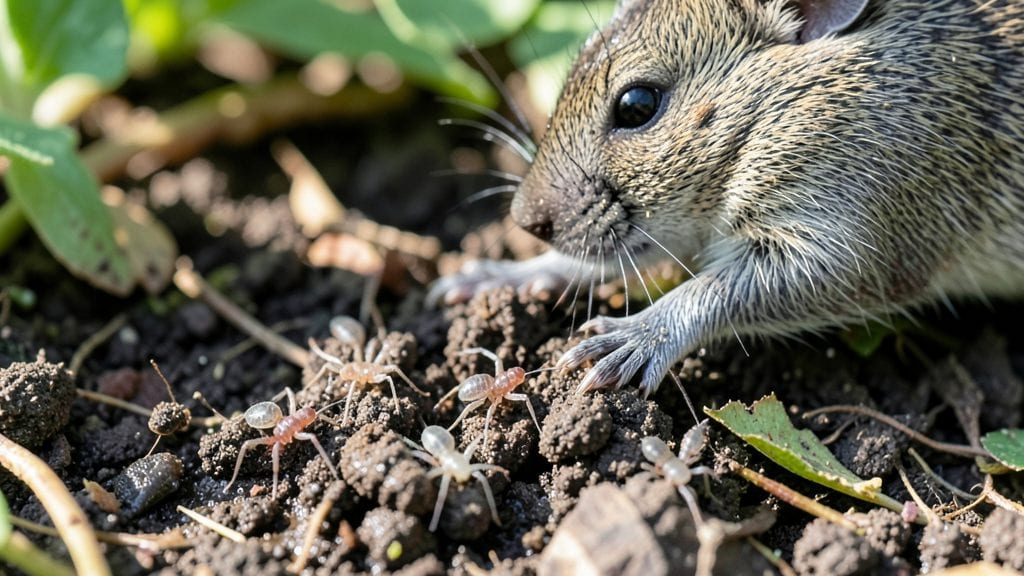
Mites in garden are the silent villains that turn vibrant leaves into dusty skeletons before you even notice. 🌿 I’ve battled them in my own yard—tiny, nearly invisible creatures that multiply faster than weeds if you ignore them.
The key to stopping them isn’t some fancy chemical; it’s a homemade spray that works within 24 hours and keeps your plants thriving without harming pollinators.
Most gardeners miss the early signs: fine webbing on undersides of leaves, stippled or yellowing foliage, or plants that look like they’re wilting for no reason. Spider mites and cyclamen mites love hot, dry conditions, so they often strike when we least expect it.
The good news? A simple mix of water, dish soap, and neem oil disrupts their life cycle faster than store-bought pesticides—without the toxic residue.
By tomorrow, you’ll see the mites washing away, and within a week, your plants will bounce back with glossy, damage-free leaves. The spray is gentle enough for edibles but tough enough to break their protective webbing.
No more losing entire plants to these microscopic pests—just a quick rinse and a stronger, healthier garden.
This method works in all seasons, from spring seedlings to late-summer blooms, and adapts to both container plants and in-ground beds. The only tools you need are a spray bottle and a little patience. Let’s get those leaves looking fresh again—naturally.
Hidden Triggers Behind Garden Mites
Mites might seem like tiny, harmless pests, but they thrive in specific conditions—often turning your lush garden into their buffet. Understanding why these microscopic invaders show up is the first step to kicking them out for good.
Let’s break down the science behind their sudden appearances and how your garden might be unknowingly inviting them in.
Mites—especially spider mites—love plants that are struggling. When plants are overcrowded, they compete for nutrients, water, and sunlight, weakening their defenses. Similarly, stressed plants (from drought, overwatering, or poor soil) produce less sap and oils that naturally repel mites.
Think of it like a weakened immune system: mites detect vulnerability and move in.
🔍 Actionable signs:
- Yellowing or wilting leaves (early stress signals)
- Stunted growth or sparse foliage
- Plants touching neighbors (ideal mite "highway" for spreading)
💡 Pro Tip: Prune plants to improve airflow and space them 12–18 inches apart. Healthy plants = fewer mite buffets!
Mites are desert survivors—they prefer dry conditions. While they dislike humidity, they hate soggy soil or leaves. Here’s the catch: Underwatering stresses plants (triggering the first point), but overwatering creates fungal issues that attract mite predators—like ladybugs—which then disappear, leaving mites unchecked. It’s a delicate balance!
📊 The Ideal Moisture Sweet Spot:
Condition
Mite Risk
Solution
Dry, cracked soil
⚠️ High (mites love drought-stressed plants)
Water deeply 1–2x/week; mulch to retain moisture
Soggy soil/fungal growth
⚠️ Medium (predators flee, mites stay)
Improve drainage; water at soil level (not leaves)
✨ Bonus Hack: Mites hate dew. Water early in the day so leaves dry by evening—this disrupts their egg-laying cycles.
Many conventional pesticides kill beneficial insects (like predatory mites and ladybugs) but leave spider mites untouched—or worse, create a vacuum where mites explode in population. Even fertilizer burns (from too much nitrogen) weaken plants, making them mite magnets. It’s like throwing a party and inviting only the pests.
🚫 Avoid These Mistakes:
- Broadcast spraying (hits good bugs too)
- Using systemic neonicotinoids (they linger and harm predators)
- Over-fertilizing (stick to organic, slow-release options)
🌿 Safe Swap: Neem oil or insecticidal soap target mites without harming their natural enemies. Always apply at dusk to protect bees!
Mites aren’t just on leaves—they hibernate in garden debris. Old mulch, fallen leaves, and even weeds** act as winter shelters. When spring hits, they wake up hungry and migrate to nearby plants.
Think of it like a motel for mites: your garden is the lobby, and your plants are the all-you-can-eat buffet.
🔦 Mite Hotspots to Hunt:
- Under pots or mulch piles
- Inside plant crevices (e.g., succulent rosettes)
- Weedy patches (especially broadleaf weeds like lamb’s quarters)
🔥 Cleanup Checklist:
- Remove all plant debris after pruning
- Use fine mesh to sift compost piles (mites hide in organic matter)
- Pull weeds weekly—they’re mite highways
Now that you know why mites crash your garden party, the next step is flipping the script with organic sprays and prevention tactics. Stay tuned!
Quick Fixes for Tiny Garden Pests
Mites in your garden can feel like an invisible army waging war on your plants—but don’t worry! With the right approach, you can banish them fast and keep your garden thriving.
Below, we’ve mapped out practical, organic solutions tailored to the most common causes of mite infestations, plus prevention tips to stop them from returning. No harsh chemicals needed—just smart, effective fixes.
Mites love weak, crowded plants because they’re easier to feed on. If your garden looks like a botanical traffic jam, it’s time to thin out and revitalize.
🌱 How to Fix It
- Prune aggressively 🔪: Trim back overgrown foliage to improve airflow. Mites thrive in humid, shaded spots—sunlight and circulation are their natural enemies.
- Space plants properly 📏: Follow seed packet guidelines for spacing.
Crowded roots = stressed plants = mite buffet. - Boost plant health 💧: Water deeply at the base (not overhead) to encourage strong roots. Healthy plants fend off pests better. - Mulch strategically 🌿: Apply organic mulch (straw, wood chips) to retain moisture and regulate soil temperature—mites hate extremes!
💡 Pro Tip: Rotate crops yearly to prevent soil depletion, which weakens plants and invites pests.
Over-fertilizing—especially with high-nitrogen or chemical blends—can create a pH imbalance that attracts mites. Your soil might be screaming for help, and mites are listening.
👨🍳 How to Fix It
- Flush the soil 💦: Water heavily for 30 minutes to leach out excess salts and chemicals. Repeat weekly for a month.
- Switch to organic fertilizer 🌱: Use compost, worm castings, or fish emulsion to restore balance.
Mites despise nutrient-rich, microbial soil. - Test your soil 📊: A simple DIY pH test kit (available at garden centers) can tell you if your soil is too acidic or alkaline.
Aim for 6.0–7.0 for most veggies. - Add sulfur or lime 🧪: If your soil is too alkaline (pH >7.5), mix in elemental sulfur. For acidic soil (pH <6.0), use pelletized lime.
✨ Prevention Hack: Mix 1 cup of coffee grounds into the soil monthly—they repel mites and add nitrogen slowly.
Mites are food for ladybugs, lacewings, and predatory mites—but if these helpers aren’t around, the mites throw a party. Restoring balance is easier than you think.
🔪 How to Fix It
- Invite beneficial insects 🐞: Plant dill, fennel, or marigolds near your garden to attract ladybugs and lacewings. These guys eat mites for breakfast.
- Release predator mites 🕷️: Buy Phytoseiulus persimilis (a mite-eating mite) from garden stores.
They multiply fast and target spider mites specifically. - Avoid broad-spectrum pesticides 🚫: These kill **both pests and predators.
Stick to neem oil or insecticidal soap (see below) for targeted strikes. - Create a "bug hotel" 🏨: A small pile of sticks, leaves, and bark in a shady corner gives beneficial insects a home.
🎯 Targeted Attack: Spray neem oil (1 tsp per quart of water + a drop of dish soap) directly on mites at dawn or dusk. It smothers them without harming predators.
Mites love dry, hot conditions—they dehydrate plants, making them easier to colonize. If your garden is parched, it’s a mite magnet.
💧 How to Fix It
- Mulch heavily 🌿: Cover soil with 2–3 inches of straw or wood chips to retain moisture and cool roots.
- Drip irrigation 💦: Water slowly at the base (early morning) to avoid wetting foliage, which can spread mites.
- Shade cloth ☀️: Use 30–50% shade cloth over heat-stressed plants to lower temps and reduce mite activity.
- Mist leaves (carefully) 🌧️: If mites are already present, lightly mist plants with water in the evening to wash them off.
Avoid doing this in full sun—it can cause leaf burn.
🔥 Emergency Fix: For severe infestations, mix 1 tbsp of hot pepper wax (chili + beeswax) in a gallon of water and spray. Mites hate the capsaicin!
The best defense is a strong, balanced ecosystem. Here’s how to keep mites from moving in:
- Rotate crops 🌱: Don’t plant the same family (e.g., tomatoes, peppers) in the same spot yearly. - Interplant flowers 🌸: Basil, lavender, and thyme repel mites naturally. - Keep tools clean 🧼: Sterilize pruners and gloves with rubbing alcohol to avoid spreading mites. - Monitor regularly 👀: Check undersides of leaves weekly with a magnifying glass.
Early detection = easier eradication.
Final Thought: Mites are a nuisance, but with quick action and smart prevention, you can outsmart them—no chemicals required. Try one fix today, and watch your garden bounce back! 🚀
Frequently asked questions
What do garden mites look like up close?
Most garden mites—like spider mites—are tiny (1/50 inch long) and nearly invisible to the naked eye. Use a magnifying glass or hand lens to spot their oval, red or yellow bodies. Look for fine webbing on leaf undersides or stippled yellowing patterns on foliage. Harvest mites are slightly larger (1/20 inch) and often carry a reddish hue.
Can I use neem oil on edible plants?
Yes! Neem oil is organic and safe for edible plants when used correctly. Mix 1 teaspoon per quart of water with a drop of mild dish soap (as a surfactant). Apply at dusk to avoid harming bees. Always test on a small leaf first—some sensitive plants (like basil) may react. Wait 24 hours before harvesting treated leaves.
How often should I spray for mites?
For active infestations, spray every 3-5 days until mites disappear (usually 2-3 weeks). Once they’re gone, apply a preventive spray every 2 weeks during hot/dry seasons. Focus on undersides of leaves and new growth. Always spray in the early morning or evening to protect beneficial insects.
Will my pets get mites from the garden?
Harvest mites (chiggers) can sometimes transfer to pets, but garden mites like spider mites don’t typically affect animals. If you suspect chiggers, check your pet’s fur for red, itchy bumps—especially around legs and belly. Bathe pets with vet-approved flea shampoo and keep them out of heavily infested areas until treatment is complete.
Can I reuse spray leftovers?
Store homemade mite sprays in a dark glass bottle in the fridge for up to 1 week. Shake well before use. Avoid storing for longer than a week—neem oil and soap can separate or lose effectiveness. For best results, always make fresh batches when treating severe infestations. Never reuse spray that’s developed an off smell or mold.