
Flowers
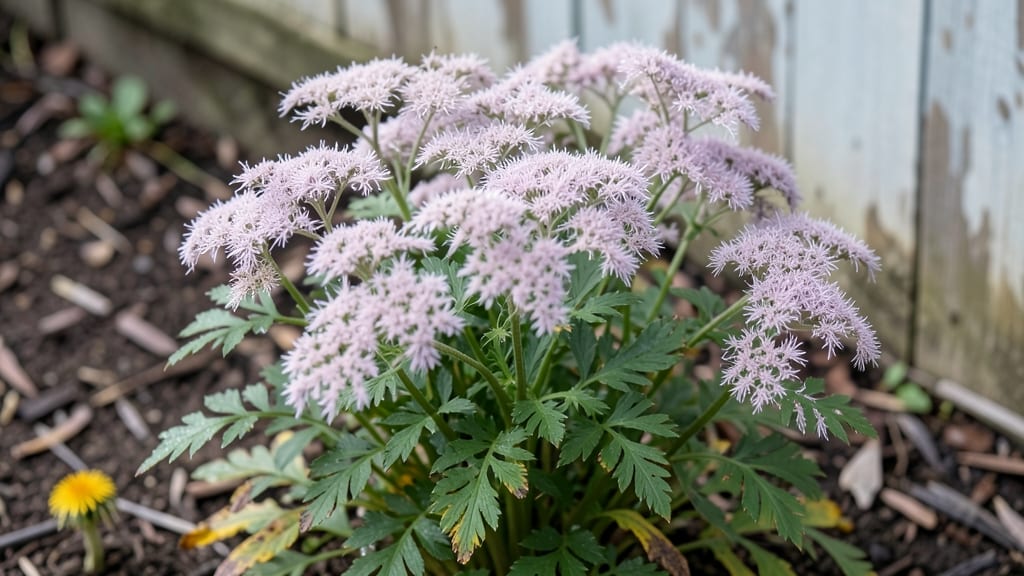
Growing an astilbe garden plant 🌸 can transform your yard into a dreamy, feathery oasis—but only if you nail the basics first.
Picture this: soft pink plumes swaying in a shady corner, their delicate blooms lasting from June through August. Yet, many gardeners miss the mark by planting them in full sun or letting the soil dry out.
That’s how you end up with floppy stems and sparse flowers instead of lush, vibrant growth.
Whether you’re a beginner or a seasoned gardener, astilbe thrives in partial shade and moist, well-draining soil—perfect for zones like 6a. The key? Planting in March or April and keeping the roots consistently hydrated without waterlogging.
In this guide, I’ll walk you through the exact steps to choose the right spot, fertilize for maximum blooms, and troubleshoot common issues—so you can enjoy those dreamy plumes all season long.

How to choose and plant astilbe for maximum blooms
Astilbe plants are the secret weapon for adding romantic, feathery texture to shady garden corners. Their vibrant plumes thrive when planted correctly—so let’s dive into the step-by-step process for choosing the right varieties and giving them the perfect home.
Whether you’re a beginner or a seasoned gardener, these tips will ensure your astilbe blooms longer and brighter than ever before.
First, selecting the right astilbe variety is key. Dwarf varieties like 'Bridal Veil' reach just 1-2 feet tall, while tall types such as 'Fanal' can soar to 3-4 feet.
Consider your garden’s space constraints and color palette—pinks, reds, whites, and purples all exist! For maximum impact, pair different heights and colors in clusters.
- Dwarf: 'Bridal Veil' (1-2 ft, white plumes)
- Medium: 'Glut' (2-3 ft, deep red)
- Tall: 'Fanal' (3-4 ft, pink with burgundy centers)
- Light: Partial shade (4-6 hours morning sun)
- Avoid: Hot afternoon sun (can scorch leaves)
- Ideal spots: Under trees, near north-facing walls
- Type: Moist, well-draining, rich in organic matter
- pH: 5.5-6.5 (slightly acidic)
- Amend with: Compost or peat moss for better moisture retention
- Best time: Early spring (after last frost) or fall
- Avoid: Planting in summer heat (stresses roots)
- USDA Zones: 3-9 (hardy perennials)
- Dwarf varieties: 12-18 inches apart
- Medium varieties: 18-24 inches apart
- Tall varieties: 24-36 inches apart
- Dig hole: Twice as wide as root ball
- Depth: Crown level with soil (never buried)
- Water deeply: After planting to settle soil
- Type: Organic mulch (shredded bark, leaves)
- Depth: 2-3 inches around base
- Benefits: Retains moisture, regulates temperature
Now that you’ve chosen your astilbe varieties and prepared the perfect spot, let’s talk about planting timing. Spring is ideal—plant in March or April after the last frost date in your area.
If you live in a warmer climate, fall planting (September-October) also works well. Avoid summer planting unless you’re willing to provide extra shade and water.
When planting, dig a hole twice as wide as the root ball to encourage root spread. Place the plant so the crown sits at soil level—burying it too deep can cause rot, while planting too high may stress the roots.
After backfilling, water deeply to eliminate air pockets and help the soil settle around the roots.
Pro tip: Group 3-5 plants together for a dramatic display. This mimics their natural growth habit and creates a lush, full look much faster than single specimens. For example, pair 'Fanal' (tall pink) with 'Glut' (medium red) and 'Bridal Veil' (dwarf white) for a stunning height gradient.
After planting, mulch heavily to retain moisture and suppress weeds. A 2-3 inch layer of organic mulch will also protect roots from extreme temperatures. In hot climates, mulching is especially important to keep the soil cool and moist—astilbe roots hate drying out.
Finally, label your plants if you’ve mixed varieties. Astilbe’s feathery plumes look similar until they bloom, and you’ll want to remember which one is which for future care. A simple garden marker with the variety name will save you from guessing next season.
With these steps, your astilbe will thrive and bloom abundantly for years to come. Just remember: partial shade, moist soil, and proper spacing are the secrets to success! 🌸
Astilbe care calendar: watering, fertilizing, and pruning by season
Astilbe thrives when you align your care with nature's seasons. Each phase—from spring awakening to winter dormancy—demands specific attention to water, nutrients, and pruning. Skipping these steps can lead to stunted growth or fewer blooms, but mastering them ensures your feathery plumes stay vibrant all season.
Your astilbe’s watering needs shift dramatically from spring showers to summer heat. Overwatering in winter can rot roots, while underfeeding in summer dulls those signature pink and red plumes. Let’s break down the seasonal care calendar to keep your astilbe lush and blooming.
| Season | Watering | Fertilizing | Pruning |
|---|---|---|---|
| Spring | Weekly, 1-2 cups | Light feed (1 tbsp) | Remove dead stems |
| Summer | Every 5-7 days | Feed monthly (5-10-10) | Deadhead spent blooms |
| Fall | Bi-weekly, reduce | None | Cut back 2-3 inches |
| Winter | Monthly, light water | None | Mulch for protection |
In spring, your astilbe wakes up hungry after winter dormancy. Start with light fertilization (1 tablespoon of balanced 5-10-10) to jumpstart growth. Water deeply once weekly to encourage strong root development. This is also the perfect time to prune dead stems—they’ll make room for fresh foliage and blooms.
When summer arrives, increase watering frequency to every 5-7 days, especially in hot climates. Mulch around the base to retain moisture and cool roots. Feed your astilbe monthly with slow-release fertilizer to sustain those show-stopping plumes.
Don’t forget to deadhead spent blooms—this redirects energy to new growth, not seed production.
As fall temperatures drop, reduce watering to bi-weekly and stop fertilizing entirely. Your astilbe is preparing for dormancy, so cut back stems by 2-3 inches to tidy the plant and prevent disease. Apply a 2-inch layer of mulch to insulate roots from freezing temperatures.
Winter care is all about protection. Water lightly monthly to prevent soil from drying out completely. Avoid fertilizing—your astilbe is resting. If your region experiences harsh freezes, add extra mulch or a light frost cloth to shield the crown.
This patience now ensures a bigger, healthier bloom next spring.
By following this seasonal care calendar, you’ll avoid the common mistakes that rob astilbe of its potential—like overwatering in winter or skipping spring fertilization. Your reward? Vibrant plumes that steal the show from June through August. 🌸