
Tools
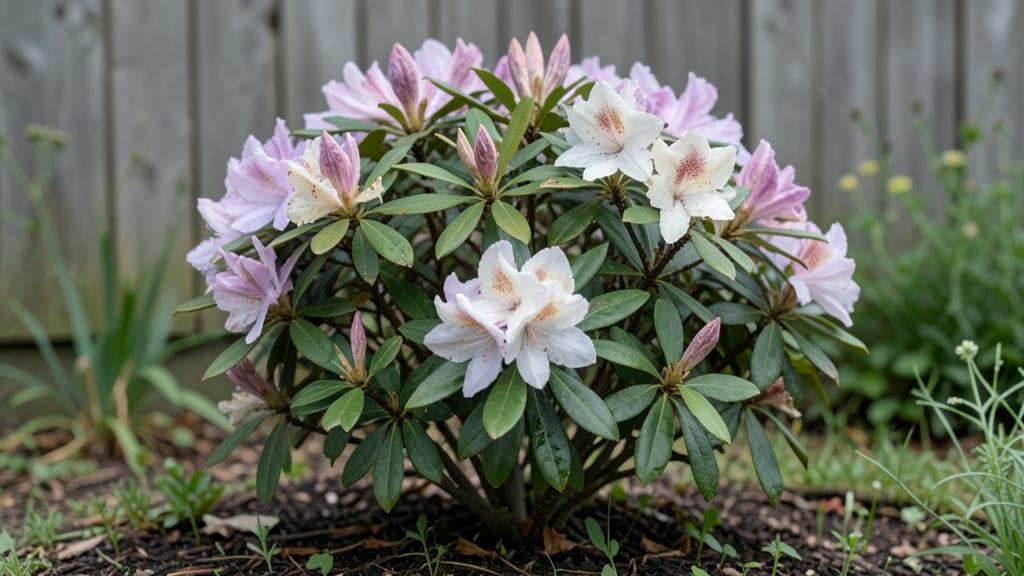
"Rainbow azaleas turn your garden into a living watercolor painting—without the fuss of deadheading or constant pruning. 🌿 These shrubs burst with vibrant pinks, purples, and whites from spring through summer, then surprise you with fresh foliage in fall that stays stunning through winter.
My front yard's been the talk of the neighborhood since I planted mine three years ago, and the best part? They thrive on neglect.
What makes them magical is how easy they are to work with. You can tuck them into foundation plantings, line a walkway, or let them spill over container edges. They love morning sun and afternoon shade, so even small yards can fit them in.
Pair them with hostas for shade-loving companions or boxwoods for structured contrast—they play well with almost anything.
By late spring, you'll have blooms so dense they look like clouds of color. The fragrance lingers in the breeze, and the glossy leaves add texture even when flowers fade.
These shrubs grow 3-5 feet tall, so they fill space quickly without taking over. Once established, they're drought-tolerant and handle heat and humidity like champions.
Whether you're dressing up a boring corner or creating a cottage-garden vibe, rainbow azaleas deliver. They're the secret weapon for gardeners who want beauty with minimal effort. Let's get you planted!"
📚 In This Guide
- What you need
- Instructions
- Tips and common mistakes
- Wrapping up and next steps
What you need
- ● Rainbow azalea shrubs: 3–5 plants (depending on desired coverage). Choose varieties like Rhododendron ‘Girard’s Rainbow’ or ‘Bow Bells’ for bold, multicolored blooms.
- ● Well-draining acidic soil: Aim for a pH of 4.5–6.0. Amend clay or alkaline soil with peat moss or pine bark (5–10 gallons per plant).
- ● Organic mulch: 2–3 inches of pine straw, cedar chips, or leaf mold to retain moisture and acidify soil.
- ● Slow-release fertilizer: A 10-10-10 or 8-3-9 blend (1–2 lbs per plant) in early spring.
- ● Watering can or hose with a gentle spray nozzle (azaleas hate soggy roots!).
- ● Pruning shears: Sharp, bypass-style shears (cleaned with rubbing alcohol to prevent disease).
- ● Gloves and long sleeves: Azalea leaves can be prickly—protect yourself while handling!
- ● Soil pH test kit (to monitor acidity levels).
- ● Landscape fabric (to suppress weeds around mulch).
- ● Azalea-specific liquid fertilizer (e.g., Miracle-Gro Azalea, Camellia & Rhododendron Food).
- ● Decorative rocks or edging (to define planting areas).
- ● Drip irrigation system (for consistent moisture in hot climates).
Step-by-step guide to planting and caring for garden rainbow azaleas
Here's how to get vibrant blooms year after year with minimal effort.
🌱 Step 1: Choose the Perfect Planting Location
Rainbow azaleas thrive in partial shade, receiving 4-6 hours of morning sun and afternoon shade. I always plant mine where they get filtered light through nearby trees—this prevents leaf scorch while keeping blooms bright. Avoid spots with harsh afternoon sun, especially in hot climates.
Check the soil pH before planting—azaleas love acidic soil (pH 4.5-6.0). If your soil tests higher, amend it with peat moss or sulfur during planting. Dig a hole twice as wide as the root ball but only as deep—planting too deep suffocates roots. Loosen the roots slightly if they're circling in the container before placing them in the hole.
💧 Step 2: Plant and Water Thoroughly
Place your azalea in the hole, ensuring the top of the root ball sits 1 inch above ground level—this prevents water from pooling around the stem. Backfill with the original soil (mixed with 20% peat moss if needed) and press gently to remove air pockets. Water immediately after planting to settle the soil around roots.
Give the plant 1-2 gallons of water right away, then 1 gallon weekly during the first growing season. You'll know it's properly hydrated when water drains through the soil within 30 minutes. Mulch with 2-3 inches of pine bark to retain moisture and keep roots cool—this is non-negotiable in hotter climates.
☀️ Step 3: Feed and Prune for Continuous Blooms
Fertilize in early spring with an acid-loving plant formula (like 10-10-10 with sulfur). I use ½ cup per plant spread evenly over the root zone. Avoid high-nitrogen fertilizers—they encourage leafy growth at the expense of flowers. Water again after feeding to prevent root burn.
Prune right after flowering to shape the shrub. Remove dead or crossing branches first, then trim back overgrown stems to just above a leaf bud. Never cut into old wood—azaleas bloom on new growth, so pruning too late in the season reduces next year's flowers. Wear gloves; azalea leaves can irritate skin.
✂️ Step 4: Winterize and Protect from Cold
Rainbow azaleas handle USDA zones 6-9, but young plants need winter protection. In zones 6-7, wrap the base with burlap or frost cloth after the first hard frost. In colder zones, mound 4-6 inches of mulch around the plant to insulate roots. Avoid heavy snow buildup—it can break branches.
Water sparingly in winter if the ground stays frozen. Thawed soil should be slightly moist but not soggy. Come spring, remove winter wraps and mulch to allow new growth. You'll see fresh buds forming by late February to early March—that's your cue to step up watering gradually.
🌿 Step 5: Maintain Soil Acidicity Year-Round
Test soil pH annually in early spring. If it rises above 6.0, amend with 1 cup of elemental sulfur per plant mixed into the top 6 inches of soil. Azaleas wilt or drop leaves when soil becomes alkaline—this is irreversible without correcting pH. I also top-dress with pine needles or oak leaves in fall to naturally acidify the soil.
Watch for yellowing leaves—this often signals overwatering or poor drainage. If leaves turn brown at the edges, it's usually underwatering or salt buildup from tap water. Use rainwater or distilled water when possible, especially in dry climates. A healthy azalea has deep green, glossy leaves and blooms that last 6-8 weeks each season.
Tips & tricks for perfect rainbow azalea care
These are the secrets I've learned after years of growing vibrant rainbow azaleas with minimal fuss.
Lighting Strategy: When selecting your planting spot, remember that those 4-6 hours of morning sun are non-negotiable for the best blooms. I've found that east-facing locations work best in most climates—this gives them gentle morning sunlight while protecting delicate petals from harsh afternoon rays. If you're in a particularly hot area, a spot with dappled shade from nearby trees can work wonders for preventing leaf scorch while still encouraging vibrant flowers.
Watering Wisdom: That 30-minute drainage test after watering is your best friend. I've ruined several plants by either drowning them or letting them dry out completely. For the first year, I set a timer for 30 minutes after watering—if water hasn't drained through completely by then, I know I need to improve drainage. In summer heat, I water twice weekly instead of the recommended weekly schedule to keep roots happy.
Pruning Precision: The key to continuous blooms is timing your prune right after the flowers fade, not when you see new buds forming. I always make my cuts just above a leaf bud—this is where new growth will emerge. Pro tip: Use sharp pruners and make clean cuts at a 45-degree angle to prevent water from pooling on the cut and causing rot. And remember, those gloves are essential—azalea leaves contain urushiol, the same irritant found in poison ivy.
Winter Protection: For those in zones 6-7, I've found that wrapping the base with burlap creates a microclimate that protects roots from temperature swings. The trick is to remove the wraps as soon as you see new growth in spring—usually by late February. I also avoid heavy mulch in winter unless absolutely necessary, as it can trap too much moisture and lead to root rot when temperatures fluctuate.
Pro Tips for Garden Rainbow Azalea
- These are the secrets I've learned after years of growing vibrant rainbow azaleas with minimal fuss.
- Lighting Strategy: When selecting your planting spot, remember that those 4-6 hours of morning sun are non-negotiable for the best blooms.
- Watering Wisdom: That 30-minute drainage test after watering is your best friend.
Frequently asked questions
What makes a rainbow azalea different from other azaleas?
A garden rainbow azalea stands out with its longer bloom season (spring to summer) and vibrant, multicolored flowers (pink, purple, red, and white). Unlike traditional azaleas, it’s a hybrid bred for hardiness and continuous color—plus, it often blooms on new wood, meaning it can rebloom if pruned correctly!
When is the best time to plant a rainbow azalea?
Plant in early spring or fall for ideal results. Avoid extreme heat or frost—rainbow azaleas prefer well-draining, acidic soil (pH 4.5–6.0). Give it 6–8 hours of sunlight (morning sun + afternoon shade works best in hot climates). Pro tip: Water deeply after planting to reduce transplant shock!
How often should I water my rainbow azalea?
Water 1–2 times per week (more in extreme heat or drought). Rainbow azaleas hate soggy roots, so ensure soil drains well—mulch around the base (2–3 inches) to retain moisture and suppress weeds. Yellowing leaves? Overwatering or poor drainage may be the culprit!
Can I prune my rainbow azalea after it blooms?
Yes! Prune right after flowering (late spring/early summer) to shape the shrub and encourage new growth. Avoid heavy pruning—just trim dead or overgrown branches and thin out crowded areas. Never prune in fall/winter—it blooms on new wood, so you’ll cut off next year’s flowers!
What if my rainbow azalea isn’t blooming? Troubleshooting tips!
Not enough sun?
Move to a sunnier spot (but avoid harsh afternoon sun).
Poor soil?
Test pH—amend with peat moss or sulfur if too alkaline.
Over-fertilized?
Too much nitrogen = leaves, not flowers. Use a balanced azalea fertilizer (10-10-10) in early spring.
Stressed plant?
Check for pests (like lace bugs) or disease (like powdery mildew).
Rainbow azaleas are forgiving—give it time and the right care, and it’ll reward you with stunning, repeat blooms!Wrapping up and next steps
Transforming your garden into a vibrant rainbow azalea haven is easier—and more rewarding—than you think! These stunning shrubs bring year-round color with minimal fuss, making them the perfect choice for gardeners of all skill levels.
Whether you’re drawn to their delicate blooms or their low-maintenance charm, a little effort now will pay off with a lush, ever-changing display that turns heads.
Ready to dive in? Start by gathering your supplies and picking the perfect spot—then watch your garden bloom with joy! 🌈✨