Tools
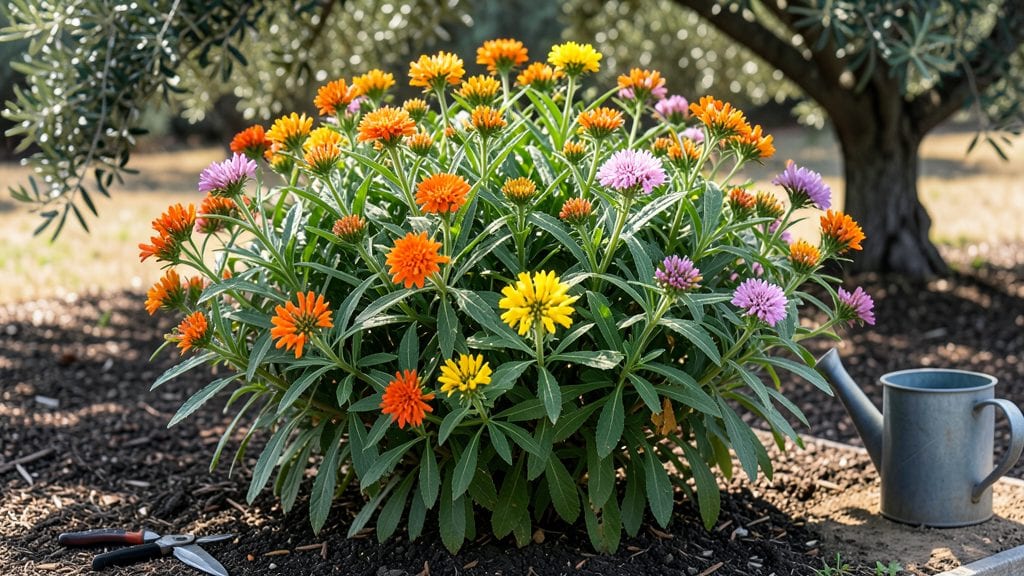
A backyard summer garden doesn’t need blazing sun to shine—shade-loving perennials turn dim corners into lush, low-maintenance havens. 🌿 I’ve designed my own shade garden over three summers, and the right plants make all the difference between a patch of weeds and a thriving retreat.
The key is choosing perennials that handle humidity, thrive in partial shade, and keep blooming from spring through fall.
Think hostas with their velvety leaves, astilbes that dance in the breeze, and ferns that add texture without fuss. These plants need minimal watering once established and repel pests better than sun-lovers. My favorite combo?
A mix of heucheras for jewel-toned foliage, ligularia for bold structure, and coral bells that bloom all season. They work in any yard—from dappled shade under trees to north-facing patios.
By late summer, you’ll have a garden that stays cool, stays green, and still puts on a show with blooms in whites, purples, and soft pinks. The best part? Less deadheading, fewer pests, and a space that feels like a sanctuary instead of a chore.
I’ll show you exactly how to layer these plants for maximum impact with minimal effort.
Whether you’re working with a shady corner or a fully shaded backyard, these perennials adapt. They’ll reward you with four-season interest—even when the sun’s hiding. Let’s get your shade garden growing strong.
📚 In This Guide
- What you need
- Instructions
- Tips and common mistakes
- Wrapping up and next steps
What you need
- ● Shade-tolerant perennials: 5–10 plants (e.g., Hostas, Heucheras, Astilbes, Ferns, or Lungwort). Choose 3–5 varieties for diversity.
- ● High-quality potting soil: 5–10 bags (1–2 cubic feet each), amended with compost for drainage.
- ● Garden gloves: 1 pair (nitrile-coated for durability).
- ● Hand trowel or transplanting spade: 1 (6–8" blade for precision).
- ● Watering can or hose with adjustable nozzle: 1 (for gentle watering).
- ● Mulch: 2–3 bags (shredded bark or pine straw, 2–3" layer).
- ● Pruners (bypass or anvil):strong> 1 (sharp, for trimming).
- ● Slow-release fertilizer: 1–2 bags (10–12 lb, for seasonal feeding).
- ● Garden kneeler or pad: 1 (for comfort during planting).
- ● Drip irrigation kit: 1 (automates watering for busy gardeners).
- ● Decorative stones or mulch: 1 bag (for borders or aesthetics).
- ● Shade cloth (30–50% coverage): 1 roll (if your area gets partial sun).
- ● Plant markers: 10+ (to label varieties).
How to design a thriving summer shade garden
Here’s the approach I’ve used to create lush, low-maintenance shade gardens that bloom from spring through fall.
🪴 Step 1: Choose the Right Location and Soil
Pick a spot that gets less than 4 hours of direct sunlight daily—morning sun is fine, but harsh afternoon rays will scorch delicate foliage. Test your site by placing a white board where the garden will go; if shadows cover it most of the day, you’re golden. Amend the soil with 3 inches of compost to improve drainage and fertility, since shade plants often struggle in dense, compacted earth.
Work the compost into the top 6 inches of soil using a garden fork. Break up any clumps and smooth the surface—this prevents root competition later. If your soil drains poorly, mix in 1 part perlite for every 3 parts soil to keep roots aerated. I’ve found that shade-loving perennials reward patience with vibrant blooms when given this extra care.
🌱 Step 2: Select and Plant Perennial Starts
Choose 4 shade-tolerant perennials like hostas, astilbes, ferns, or bleeding hearts—each thrives in dappled light and spreads over time. Dig holes twice as wide as the root balls but only as deep as the container they came in. This prevents burying stems too deep, which can rot over time.
Place each plant in its hole and backfill with soil, pressing gently around the edges to eliminate air pockets. Water deeply right after planting to settle the soil and encourage root contact. Space plants 18-24 inches apart—crowding leads to weak stems and fewer blooms. I like to group plants by height, with taller varieties in the back and shorter ones in front for a natural tiered look.
💧 Step 3: Mulch and Water for Establishment
Spread 2-3 inches of mulch (like shredded bark or wood chips) over the soil surface, keeping it 3 inches away from plant stems to prevent rot. Mulch conserves moisture and regulates soil temperature, which is critical in shade gardens where evaporation slows. Water deeply once a week during dry spells, aiming for 1 inch of water per week—shade plants need consistent moisture but hate soggy roots.
Check soil moisture by sticking your finger 2 inches deep—if it feels dry, water again. Avoid overhead sprinkling, which can promote fungal diseases. Instead, use a soaker hose or water at the base of plants in the early morning. This method keeps foliage dry and encourages strong root growth.
☀️ Step 4: Maintain Light and Prune Strategically
Monitor light conditions throughout the summer—if nearby trees grow denser, your garden may need even more shade. Trim back any encroaching branches to maintain the dappled light these plants love. Prune spent blooms (like on astilbes) right after flowering to encourage a second flush of color in late summer.
Cut back hostas and ferns in early spring before new growth appears—this keeps them tidy and prevents pests from hiding in dead foliage. For bleeding hearts, prune lightly in late summer to shape the plant, but avoid heavy cuts that remove too many leaves. I’ve found that a little pruning goes a long way in keeping shade perennials looking their best with minimal effort.
Tips & tricks for perfect shade garden design
A few simple tricks will help you create a thriving shade garden that stays beautiful with minimal effort. Between us, I've learned these the hard way after ruining three different shade gardens before getting it right.
Location is Everything: The less-than-4-hours-of-sunlight rule is non-negotiable for shade perennials. I once planted hostas in a spot that got 5 hours of afternoon sun, and they looked like they'd been sunburned by summer's end. Use that white board test—if shadows cover it most of the day, you're in the clear. Morning sun is actually great, but avoid spots where afternoon rays can bake the foliage.
Soil Prep Pays Off: Working that 3 inches of compost into the top 6 inches of soil makes all the difference. I used to just scratch compost on top, but now I mix it thoroughly. For clay-heavy soils, the perlite mix (1 part perlite to 3 parts soil) prevents waterlogging, which is especially important in shade where evaporation is slower. Think of it as giving your plants a head start on the season.
Planting Depth Matters: Digging holes twice as wide as the root ball but only as deep as the container prevents stem rot—a common mistake that kills plants before they even establish. I've seen bleeding hearts drown when planted too deep, so always check the container level before backfilling. That gentle pressing around the edges eliminates air pockets that can strangle new roots.
Mulch Like a Pro: The 2-3 inches of mulch isn't just for looks—it's a game-changer for moisture retention and temperature regulation. I keep it 3 inches away from stems to prevent rot, and I've found that shredded bark breaks down more slowly than wood chips. This means fewer replenishments and happier plants throughout the summer.
Pro Tips for Backyard Summer Garden
- A few simple tricks will help you create a thriving shade garden that stays beautiful with minimal effort.
- Location is Everything: The less-than-4-hours-of-sunlight rule is non-negotiable for shade perennials.
- Soil Prep Pays Off: Working that 3 inches of compost into the top 6 inches of soil makes all the difference.
Frequently asked questions
Got questions about creating your dream backyard summer garden with shade-loving perennials?
Here are answers to the most common ones—so you can dive in with confidence!
What’s the best time to plant shade-loving perennials for summer blooms?
Plant in early spring (as soon as the ground is workable) or early fall (4–6 weeks before your first frost). This gives roots time to establish before summer heat arrives. Avoid planting in peak summer—young plants may struggle with stress and drought.
How much shade do these perennials really need?
Most shade-loving perennials thrive in partial shade (3–6 hours of sunlight daily), but some (like ferns or astilbes) prefer full shade (less than 3 hours). Check plant tags for specifics—overly shady spots may stunt growth or reduce blooms.
Can I grow shade perennials in containers instead of the ground?
Containers work great for shade gardens, especially if you have poor soil or limited space. Use well-draining potting mix and containers with drainage holes. Just ensure pots are large enough (at least 12–18 inches deep) to accommodate root growth.
What’s the easiest way to keep pests away from my summer garden?
Prevent pests naturally with mulch (2–3 inches of shredded bark or leaves) to deter weeds and retain moisture. For bugs, try neem oil spray or companion planting (e.g., marigolds repel aphids). Avoid overwatering—wet foliage attracts slugs and fungi.
Will these perennials survive winter if planted now?
Most shade-loving perennials are hardy and will return yearly, but young plants may need winter protection in colder zones. Add a 2–3 inch layer of mulch after the first frost to insulate roots. Tender perennials (like some ferns) might die back but regrow in spring.
How do I fix yellow leaves on my shade perennials?
Yellow leaves usually signal overwatering, poor drainage, or nutrient deficiency. Check soil moisture—perennials prefer consistently moist (not soggy) soil. Amend with compost if soil is depleted, and ensure containers have drainage. Fungal issues? Space plants for airflow.
Wrapping up and next steps
Creating a backyard summer garden with shade-loving perennials is a rewarding way to enjoy lush greenery and vibrant blooms—even in the hottest months! 🌿 These low-maintenance plants not only thrive in cooler spots but also attract pollinators and add year-round beauty.
Whether you’re a seasoned gardener or just starting out, this guide gives you the confidence to design a thriving, shade-friendly space.
Ready to get growing? Start small—pick 2-3 perennials from this list, prep your soil, and watch your garden transform! 🌱 Grab your tools and dive in today!