Tools
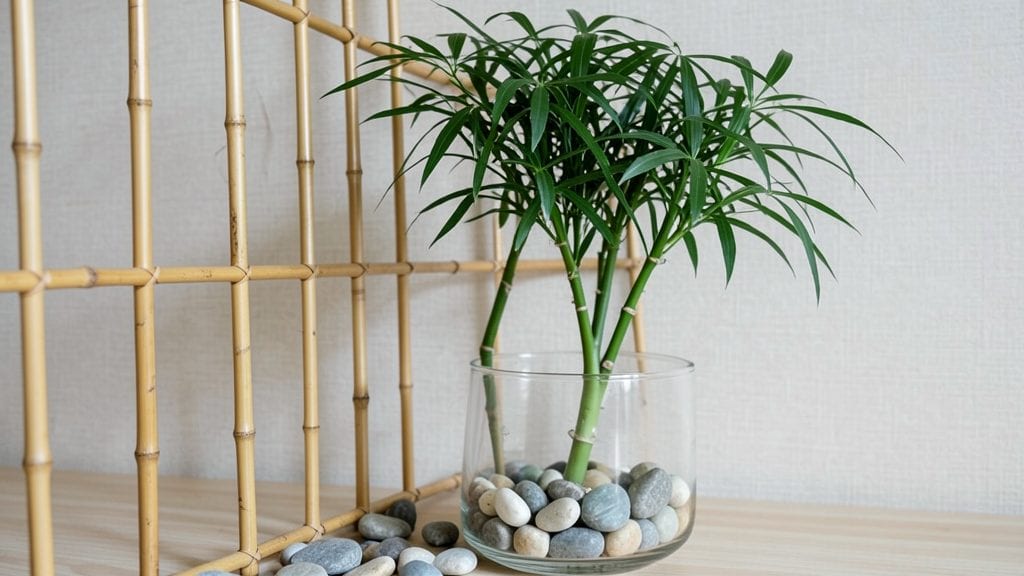
My bamboo garden trellises transformed my backyard from flat and boring to a lush vertical jungle. 🌿 The way these lightweight yet sturdy frames let vines climb upward instantly adds drama while solving space problems—perfect for small yards or urban gardens where every inch counts.
I started with just two simple arches for my clematis, and now they’re everywhere, creating living walls, privacy screens, and even a whimsical entrance arch covered in morning glories.
The beauty of bamboo trellises is how versatile they are—no fancy tools or skills required. You can bend and weave them into freestanding structures, lean them against fences, or even build them into existing garden beds.
For climbing plants like jasmine, wisteria, or even beans and cucumbers, they provide the perfect support while adding an organic, natural look that plastic or metal frames can’t match. Plus, they blend seamlessly into any garden style, from cottage charm to modern minimalism.
What you’ll love most is how quickly they pay off. Within a few weeks, your trellises become a thriving green canopy, offering shade, fragrance, and a habitat for pollinators. The best part? They’re easy to maintain—just a little pruning here and there to keep things tidy.
Whether you’re dressing up a blank wall or training vines to grow upward in a tiny patio corner, these trellises turn dead space into a living masterpiece.
Ready to see how they can work in your garden? From DIY assembly to plant pairings that make the most of their potential, we’ll cover everything you need to turn your space into a vertical oasis.
Here’s how to get started without overcomplicating things—because the best gardens grow naturally, just like the plants you’ll be supporting.
📚 In This Guide
- What you need
- Instructions
- Tips and common mistakes
- Wrapping up and next steps
What you need
- ● Bamboo poles: 4–6 poles (4–6 ft long, 1–2 inches in diameter). Opt for hardwood bamboo (like Phyllostachys) for durability.
- ● Trellis netting or lattice: 1–2 rolls of plastic-coated wire mesh (1/2"–1" grid) or bamboo lattice panels (4’x8’).
- ● Post anchors or ground stakes: 4–6 heavy-duty galvanized metal stakes (6–12 inches long).
- ● Heavy-duty zip ties or wire: 10–20 ties (for securing netting to poles).
- ○ Wooden posts (optional but recommended): 2–4 treated 4x4 posts (6 ft tall) for extra stability.
- ● Measuring tape
- ● Hacksaw or handsaw (for cutting bamboo/wood)
- ● Drill & screws (if attaching lattice panels)
- ● Level (to ensure trellis is straight!)
- ● Gloves & safety goggles (for handling sharp bamboo)
- ○ Staple gun (optional, for securing netting)
- ● A sunny or partially shaded garden spot with well-draining soil.
- ● Space to dig post holes (6–8 inches deep) or a flat area for stake anchoring.
- ● Climbing plants like jasmine, clematis, or morning glories (or your favorite vines!).
- ● Patience—bamboo trellises take ~1–2 hours to assemble but last years!
Step-by-Step instructions for building bamboo garden trellises
Transform your garden into a lush vertical paradise with these sturdy, natural supports.
🪴 Step 1: Gather and Prepare Your Bamboo Poles
Start by selecting 4-6 bamboo poles that are at least 6 feet long and 1-2 inches in diameter. Look for straight, sturdy poles with minimal knots—these will provide the best support. If your bamboo has rough edges, smooth them with sandpaper or a file to prevent snagging plant tendrils. I like to soak the poles in water for 30 minutes beforehand to prevent them from splitting when bent.
Measure and mark 3-foot sections on each pole using a pencil. These will become the horizontal supports for your trellis. The reason for this length is that it creates a stable base while allowing enough space for climbing plants to grip. If your bamboo is too long, cut it to size with a handsaw—just be sure to wear safety goggles to protect your eyes from flying debris.
✂️ Step 2: Assemble the Trellis Frame
Take two bamboo poles and tie them together at the top with jute twine or zip ties, leaving about 4 feet of space between them. This forms the vertical backbone of your trellis. Next, insert the 3-foot horizontal supports between the vertical poles, spacing them 12-18 inches apart. Secure each horizontal piece by tying it tightly to the vertical poles with twine or zip ties—this ensures stability when plants start climbing.
For extra strength, I like to add a diagonal support by tying a third pole from the top of one vertical pole to the bottom of the other. This creates a triangle shape, which is inherently more stable. If you're building multiple trellises, space them 3-4 feet apart so plants have room to spread without overcrowding.
🌿 Step 3: Secure the Trellis to a Sturdy Base
Drive two 4-foot wooden stakes into the ground about 12 inches apart, positioning them at the base of your trellis frame. These stakes will anchor your trellis and prevent it from tipping over in windy conditions. Use the zip ties to attach the bottom of each vertical bamboo pole to the stakes, ensuring the trellis stands upright and firm. If your garden has loose soil, bury the stakes deeper—about 6-8 inches—to maximize stability.
For a decorative touch, I sometimes wrap the base of the trellis with ivy or climbing roses right away. This not only adds immediate visual appeal but also encourages the plant to grow upward along the trellis structure. Just be sure to water the base thoroughly after planting to help the roots establish quickly.
☀️ Step 4: Plant and Train Climbing Plants
Once your trellis is secure, it’s time to introduce your climbing plants! Choose varieties like clematis, jasmine, or morning glories—these thrive on vertical supports. Plant them at the base of the trellis, ensuring the root ball is level with the surrounding soil. Water deeply right after planting to help the roots settle into place. You’ll know they’re happy when new leaves appear within 7-10 days.
As the plants grow, gently guide their tendrils or vines onto the trellis using soft ties or twine. Avoid wrapping the stems too tightly—you want to encourage growth, not restrict it. I like to check my trellises every 2-3 weeks during the growing season to ensure plants aren’t overcrowding or becoming too heavy for the structure. If you notice any sagging, reinforce the trellis with additional ties or stakes.
Tips & tricks for perfect bamboo garden trellises
Here's what I've learned after building trellises that actually hold up to climbing plants—no wobbly disasters here!
The Soaking Secret: That 30-minute soak in Step 1 isn't just about preventing splits—it also helps the bamboo absorb moisture, making it more pliable for bending when you assemble your frame. If you're working with particularly dry bamboo, extend the soak to 1 hour for even better flexibility. Pro tip: Use lukewarm water to speed up the process without risking warping.
Tying Technique: When securing your horizontal supports in Step 2, use a simple square knot for the twine—it's stronger than you think and won't slip under plant weight. For extra security, I double-knot at each connection point. If you're using zip ties, make sure they're rated for outdoor use and won't degrade in sunlight over time.
Stability Strategy: The diagonal support in Step 2 is your secret weapon against wind—it turns your trellis from a simple frame into a triangle, which distributes weight perfectly. For larger trellises (over 6 feet tall), add a second diagonal support halfway up for maximum stability. This is especially important if you're growing heavy climbers like wisteria or passionflower.
Plant Training: In Step 4, when guiding vines onto the trellis, use soft garden twine or even old tights cut into strips—they're gentle on plant stems. The 2-3 week check-ins are crucial: if you notice plants growing more horizontally than vertically, gently reposition them to encourage upward growth. This keeps your trellis looking neat and prevents overcrowding.
Pro Tips for Bamboo Garden Trellises
- Here's what I've learned after building trellises that actually hold up to climbing plants—no wobbly disasters here!
- The Soaking Secret: That 30-minute soak in Step 1 isn't just about preventing splits—it also helps the bamboo absorb moisture, making it more pliable for bending when you assemble your frame.
- Tying Technique: When securing your horizontal supports in Step 2, use a simple square knot for the twine—it's stronger than you think and won't slip under plant weight.
Frequently asked questions
Got questions about bamboo garden trellises?
Here are answers to the most common ones to help you get started with confidence!
What’s the best time of year to install a bamboo trellis?
Install your trellis in early spring (before planting climbers) or late fall (after harvest). This gives roots time to establish before heavy growth. Avoid winter—frozen soil makes installation tricky, and young plants won’t thrive in cold. For tropical climates, install anytime except during monsoon season!
Can I use bamboo trellises for heavy vines like wisteria or grapes?
Standard bamboo trellises (thin poles or lattice) may bend or break under heavy vines. Opt for thicker bamboo stakes (2+ inches in diameter) or reinforce with metal brackets. For wisteria, pair bamboo with a wooden post for extra support. Always secure vines gently with soft ties to avoid damage.
How do I prevent bamboo trellises from rotting or attracting pests?
Bamboo resists rot naturally, but paint or seal the base with non-toxic outdoor sealant to extend lifespan. To deter pests:
- Keep trellises 3–6 inches off the ground to reduce moisture buildup.
- Avoid placing near standing water or dense mulch.
- Inspect for borers or fungi annually; treat with neem oil if needed.
Are there affordable alternatives to bamboo trellises?
Yes! Try these budget-friendly options:
- PVC pipes or conduit: Lightweight, rust-proof, and customizable (paint for aesthetics!).
- Twisted wire or chicken wire: Cheap and flexible, but less durable long-term.
- Recycled materials: Old ladders, pallet wood, or even tree branches (secure with zip ties).
My bamboo trellis is leaning—how do I fix it?
Leaning often happens due to uneven soil settling or weak installation. Dig a shallow trench around the base, add gravel or sand for drainage, and stake the trellis with concrete anchors or metal rods. For lattice-style trellises, reinforce with horizontal cross-braces (use bamboo or wood). If the issue persists, replace with a heavier-duty trellis.
Wrapping up and next steps
Transforming your garden with bamboo garden trellises isn’t just about adding structure—it’s about unlocking creativity and maximizing your green space! Whether you’re growing vines, flowers, or even veggies, these versatile trellises turn wasted vertical space into a lush, thriving display.
With the right materials and a little DIY spirit, you can craft a trellis that’s both functional and stylish.
Ready to elevate your garden? Start small—pick a plant, gather your supplies, and build your first trellis today! Your future garden will thank you! 🌿✨