Vegetables
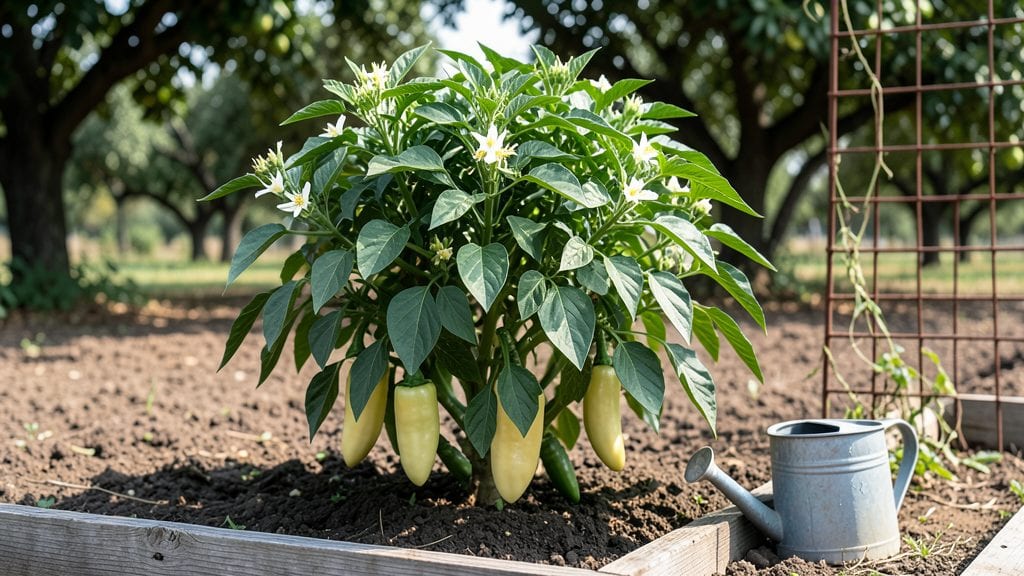
Transform your banana peppers garden into a mini spice powerhouse with just a few containers—no green thumb required. 🌱 My first batch produced enough peppers to fill jars by late summer, and the process gets easier every year.
The real game-changer is their adaptability. You need a 5-gallon container per plant, full sun (at least 6 hours daily), and soil that drains like a dream—no soggy roots allowed. A balanced fertilizer every 4-6 weeks keeps them happy, and they handle heat waves better than most peppers.
Even in cooler climates, they’ll reward you with 3-4 months of harvest if you start seeds indoors in early spring.
By midsummer, you’ll be snipping bright yellow peppers straight from your pots, drying them for homemade hot sauce, or gifting jars to neighbors. The flavor? A perfect balance of sweet and mild heat that’s impossible to find in stores.
Plus, they’re disease-resistant compared to other peppers, so you’ll spend less time troubleshooting and more time harvesting.
Works in zones 8-11 year-round, or in containers moved indoors during winter in cooler areas. The only rule? Don’t skip the pruning—it keeps plants bushy and productive. Ready to grow your own spice stash?
📚 In This Guide
- What you need
- Instructions
- Tips and common mistakes
- Wrapping up and next steps
What you need
- ● Banana pepper plants: 3–5 seedlings or seeds (choose disease-resistant varieties like ‘California Wonder’ or ‘Early Jolt’).
- ● Containers: 5–10 gallon pots (with drainage holes) or fabric grow bags. Pro tip: Ensure they’re at least 12 inches deep!
- ● High-quality potting mix: 10–15 lbs of well-draining, organic soil (avoid garden soil—it compacts!).
- ● Fertilizer: Balanced liquid fertilizer (10-10-10) or slow-release granules (follow package rates).
- ● Mulch: 2–3 inches of straw or shredded leaves to retain moisture.
- ● Hand trowel or small shovel for transplanting.
- ● Watering can or hose with a gentle spray nozzle (banana peppers hate soggy roots!).
- ● Pruning shears (for shaping plants and harvesting).
- ○ Support stakes or cages (optional, but helpful if plants grow tall).
- ● Grow lights or sunny windowsill (if growing indoors or in low-light areas).
- ● A location with 6–8 hours of sunlight daily (south-facing windows or outdoor spots).
- ● Warmth: Banana peppers thrive in temperatures between 70–85°F (21–29°C). Use a heat mat if starting seeds indoors.
- ● Watering schedule: Keep soil consistently moist but not waterlogged (check soil moisture weekly).
Step-by-step instructions for growing banana peppers in containers
Here's how to cultivate a prolific banana pepper harvest using containers—ideal for patios or small spaces.
🌱 Step 1: Select and Prepare Containers for Optimal Drainage
Choose containers with drainage holes at least 6 inches deep and 12 inches wide—banana peppers need room for roots and airflow. I use terra cotta pots because they wick moisture away from roots, preventing rot. If your containers lack drainage, drill holes in the bottom and line them with landscape fabric to keep soil in place.
Fill the bottom 2 inches with gravel or perlite to improve drainage. This layer prevents waterlogging, which banana peppers despise. Pre-moisten the potting mix with warm water until it’s damp but not soggy—this mimics their native tropical conditions. Avoid garden soil; it compacts and suffocates roots.
🌿 Step 2: Plant Transplants or Sow Seeds at the Right Time
For transplants, choose healthy 4-6 week-old seedlings with thick stems and no yellowing leaves. Plant one per container to avoid competition. Dig a hole twice as wide as the root ball and place the seedling so the top of the root ball sits ½ inch below the rim. Gently firm soil around it to eliminate air pockets.
If starting from seed, sow ¼ inch deep and ½ inch apart in a seed-starting tray. Keep the soil consistently moist at 75-85°F until germination, which takes 10-14 days. Once seedlings have 2-3 true leaves, transplant them into individual containers. This spacing prevents overcrowding, which leads to weak, disease-prone plants.
☀️ Step 3: Provide Full Sun and Consistent Watering
Banana peppers thrive in full sun (6-8 hours daily). Place containers in a south-facing spot or under grow lights for 14-16 hours/day if indoors. You’ll notice leggy growth if light is insufficient—this means the plant stretches toward the sun, weakening stems. Rotate pots weekly to encourage even growth.
Water deeply when the top inch of soil feels dry, usually every 2-3 days in summer. Avoid wetting leaves to prevent fungal diseases like early blight. I use a drip irrigation system or water at the base in the morning to let foliage dry quickly. Overwatering causes blossom-end rot, so let the soil dry slightly between waterings.
✂️ Step 4: Fertilize and Prune for Maximum Yield
Feed plants every 4-6 weeks with a balanced liquid fertilizer (10-10-10) diluted to half-strength. I start fertilizing 2 weeks after transplanting to avoid burning young roots. Banana peppers are heavy feeders, so don’t skimp—you’ll see thicker foliage and more peppers with regular feeding.
Prune suckers (small shoots in leaf axils) to direct energy to fruit production. Pinch off the first few flowers if your plant is young—this encourages bushier growth. Harvest peppers when they’re 3-4 inches long and bright yellow for the best flavor. Regular harvesting stimulates more production, so check plants weekly during peak season.
🪴 Step 5: Overwinter Containers for Year-Round Harvests
Move containers to a sheltered spot before frost, like a garage or under eaves. Reduce watering to every 10-14 days and stop fertilizing. Banana peppers are perennial in zones 9-11, but in colder climates, they’ll die back. In spring, trim back dead growth, repot if roots are crowded, and resume care as usual.
If you’re in a colder zone, bring pots indoors near a sunny window or under grow lights. They’ll produce fewer peppers but stay alive for another season. This trick lets you enjoy fresh peppers year-round with minimal effort.
Tips & tricks for perfect banana pepper harvests in containers
These container gardening secrets will help you grow banana peppers that are healthier, more productive, and ready for harvest year-round.
Container Selection Matters: While the instructions specify 6-inch deep containers, I recommend going a full inch deeper (7 inches) if possible. The extra space gives roots room to establish before they hit the bottom, which is especially important for banana peppers that can grow surprisingly large in containers. Terra cotta is ideal, but if you use plastic, add extra drainage holes—they help prevent that dreaded waterlogging.
Soil Temperature is Critical: The instructions mention warm water for pre-moistening, but here's what nobody tells you—banana peppers thrive when soil stays consistently between 75-85°F. In cooler climates, place containers on black plastic sheets or use heating mats during germination. I've seen seedlings fail to sprout when soil temps drop below 70°F, even with proper moisture. A simple soil thermometer is worth the investment for just this one step.
Light Optimization for Small Spaces: The 14-16 hours of light requirement can be tricky in small patios. If natural light falls short, supplement with LED grow lights positioned 6-12 inches above the plants. I rotate my containers daily to prevent leggy growth, which happens when plants stretch toward one light source. For maximum efficiency, use a timer to automate 12 hours of light daily—banana peppers don't need constant light, just consistent exposure.
Fertilizer Timing Secret: Starting fertilization 2 weeks after transplanting is perfect, but here's the pro move: alternate between your 10-10-10 balanced fertilizer and a calcium supplement every other feeding. Banana peppers are prone to blossom-end rot, and calcium prevents that unsightly condition. I use crushed eggshells mixed into the soil at planting time for an extra calcium boost that lasts the whole season.
Pro Tips for Banana Peppers Garden
- These container gardening secrets will help you grow banana peppers that are healthier, more productive, and ready for harvest year-round.
- Container Selection Matters: While the instructions specify 6-inch deep containers, I recommend going a full inch deeper (7 inches) if possible.
- Soil Temperature is Critical: The instructions mention warm water for pre-moistening, but here's what nobody tells you—banana peppers thrive when soil stays consistently between 75-85°F.
Frequently asked questions
Got questions about growing banana peppers in your garden? You’re not alone! Here are answers to the most common queries to help you cultivate a thriving harvest—even in containers.
How long does it take for banana peppers to grow from seed?
Banana peppers typically take 70–90 days to mature from seed to harvest when grown in ideal conditions (warm soil, full sun, and consistent moisture). If you start with transplants, you’ll shave off 2–4 weeks of wait time. Patience pays off—those sweet, mild peppers will be worth it!
Can I grow banana peppers year-round in containers?
Yes! Banana peppers thrive in warm climates year-round, but in cooler zones, use containers with drainage and move them indoors or to a greenhouse during frost. A south-facing window or grow lights can extend your growing season. Just ensure they get 6–8 hours of sunlight daily—even in winter.
What can I do if my banana pepper plants stop producing?
If your plants slow down, check for these fixes:
- Prune leggy growth to encourage bushier, fruit-heavy plants.
- Ensure they’re getting enough sunlight (move containers if needed).
- Fertilize with a balanced veggie feed (like 10-10-10) every 4–6 weeks.
- Water deeply but infrequently—overwatering can stress roots.
Are banana peppers easy to grow in containers?
Banana peppers are perfect for containers—they don’t need deep roots and love the warmth of pots. Use a 5-gallon container minimum (bigger = more peppers!) with well-draining soil. Just avoid overcrowding—space plants 12–18 inches apart for airflow and sunlight access.
What’s the best way to harvest banana peppers?
Harvest when peppers are 3–5 inches long and firm for the best flavor. Use clean pruners or scissors to snip stems, leaving a small portion attached. Pick regularly to encourage more production! Wear gloves if you’re sensitive to their mild heat—though they’re far milder than jalapeños.
Pro Tip:
Struggling with pests? Neem oil or insecticidal soap works wonders on aphids or spider mites. And if your peppers turn bitter? Overripe fruit or extreme heat can cause this—harvest earlier next time!
Wrapping up and next steps
Growing banana peppers in containers is a rewarding way to enjoy fresh, fiery flavors year-round—whether you’re a seasoned gardener or just starting out! 🌱 With the right setup, these vibrant peppers thrive in pots, saving space while delivering a bountiful harvest.
Whether you’re spicing up salsas, pickles, or homemade hot sauce, your homegrown peppers will add a delicious kick to every dish.
Ready to start? Grab your containers, soil, and seeds, and dive in! Plant your first batch this week, and soon you’ll be reaping the spicy rewards of your own banana pepper garden. Happy growing! 🌿