
Pests
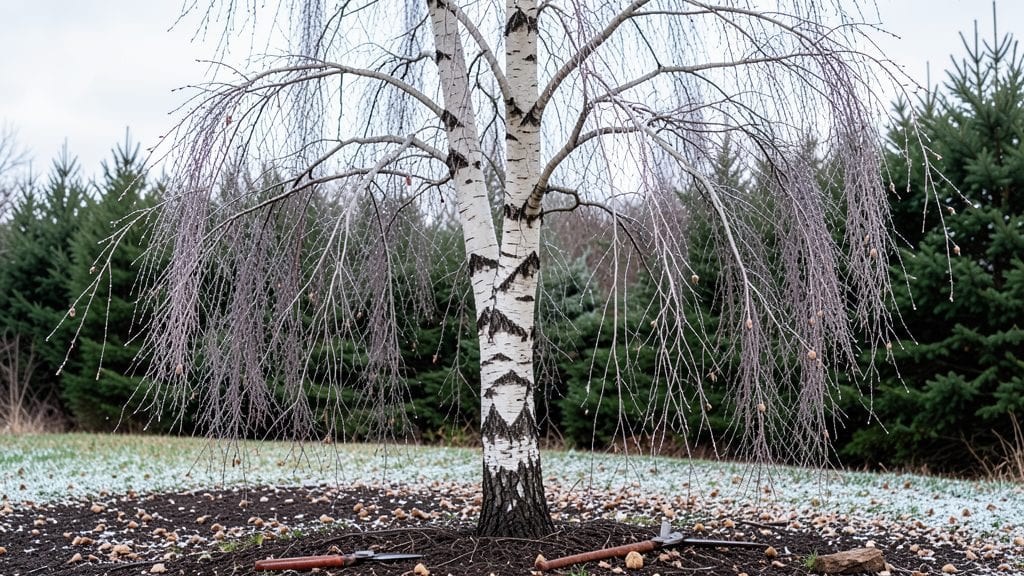
Dealing with bark in garden soil starts by raking out debris, then tilling the top layer to break it down. Natural amendments like compost or sand help restore proper soil texture while avoiding harmful methods like burning.
Bark accumulates in garden beds from mulch breakdown, windblown debris, or erosion—all of which smother soil and block water absorption. 🌱 The problem worsens when bark layers trap moisture, creating anaerobic zones that stunt root growth.
I’ve found that even small amounts can disrupt microbial activity, so addressing it early prevents long-term soil compaction. A quick pass with a rake before amending makes all the difference.
For stubborn bark buildup, I recommend mixing in aged compost or coarse sand to break down fragments while improving drainage. This dual approach restores both structure and fertility without harsh chemicals. The key is working in dry conditions—wet soil clumps bark into harder-to-remove mats.
💡 In This Article
- Why Bark Builds Up in Garden Soil
- Best Natural Amendments for Bark Removal
Why bark builds up in garden soil
Here's what's actually happening when bark accumulates in your garden beds: it starts with mulch decomposition. Wood chips and bark mulch break down at different rates—fine bark fragments can take 3-5 years to decompose fully, while smaller pieces may decompose in just 1-2 years.
Wind and water erosion scatter these fragments across your garden, creating a layer that can reach 1-2 inches thick over time. This isn't just an aesthetic issue; it physically blocks water and air from reaching plant roots.
The real damage happens when bark forms a dense mat. Unlike loose organic matter, compacted bark creates anaerobic zones where oxygen levels drop below 5%—critical for root respiration. Healthy soil typically maintains 15-20% oxygen by volume.
This oxygen deprivation forces roots to struggle, while excess moisture trapped beneath the bark layer promotes fungal growth like Phytophthora, which attacks roots. The texture change also disrupts beneficial microbial communities that normally break down organic matter into plant-available nutrients.
What most people don't realize is how bark affects soil structure at a microscopic level. Healthy soil has a fluffy, crumbly texture with pore spaces between particles. When bark accumulates, it creates a waterproof barrier that repels moisture—similar to how oil repels water.
This forces rainwater to run off instead of soaking in, while simultaneously creating dry pockets beneath the bark layer. The result? Plants either drown in surface water or suffer from root dehydration just inches below.
There's also the decomposition chemistry at play. Bark contains high levels of lignin (up to 25-30% of its dry weight), a complex polymer that resists breakdown. While beneficial microbes eventually colonize and decompose this material, the process releases tannins that can temporarily inhibit seed germination and young root growth.
This is why you'll often see bare spots where seeds fail to sprout in heavily bark-covered soil.
Consider this comparison: A 1-inch layer of bark mulch can reduce soil temperature by 5-10°F compared to bare soil, while increasing moisture retention by 30-40% at the surface. However, this same layer can create a 50% reduction in oxygen availability just below it.
The imbalance creates ideal conditions for anaerobic bacteria that produce harmful gases like methane and hydrogen sulfide—both toxic to plant roots in high concentrations.
The silver lining? Bark's slow decomposition actually provides long-term carbon for soil organic matter when properly managed. The key is maintaining a maximum 2-3 inch layer of mulch and regularly incorporating it into the soil.
This gradual breakdown creates humus that improves soil structure over time—just don't let it accumulate in thick layers where it becomes problematic.