Companion Plants
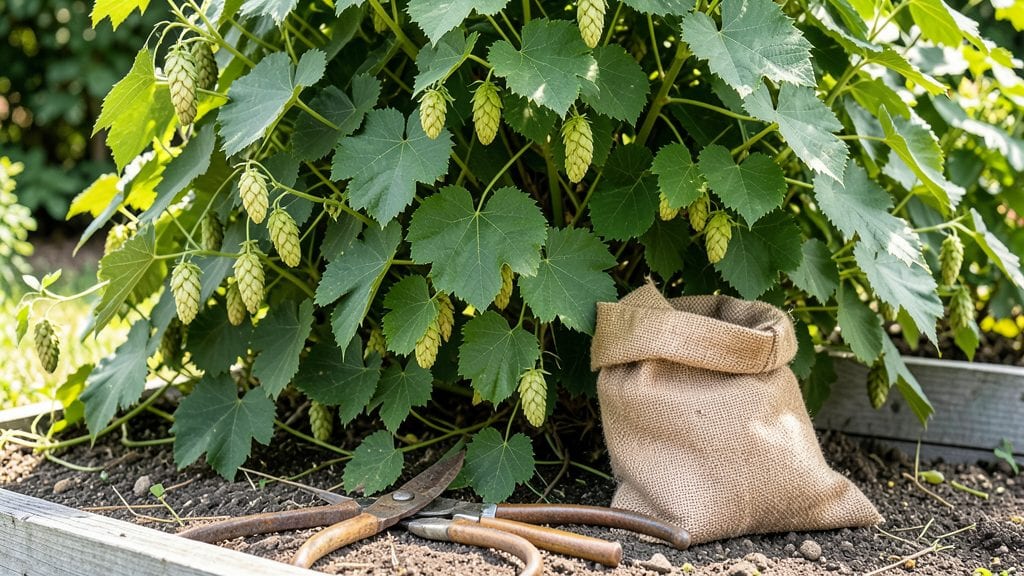
Beer and gardening create a powerful partnership because hops boost root growth through natural gibberellins, while spent grain from brewing provides nutrient-rich compost. Pairing beer-friendly herbs like rosemary or thyme can even elevate both your garden and brew flavors.
This unexpected combo works because hops contain gibberellins, plant hormones that encourage deeper root systems and faster germination. 🌱 The spent grain left after brewing is packed with nitrogen, phosphorus, and potassium—making it a superior soil amendment compared to many traditional composts.
Plus, herbs like mugwort or oregano thrive near hops while adding complex flavors to your homebrew. For best results, mix spent grain into compost piles or use it directly in planting holes for a nutrient boost.
💡 In This Article
- How Hops and Brewing Byproducts Benefit Garden Soil
- Best Plants to Grow Alongside Beer Brewing
How hops and brewing byproducts benefit garden soil
The magic starts with hops themselves. These cone-shaped flowers contain gibberellins, a class of plant hormones that regulate growth. When incorporated into soil, gibberellins stimulate cell elongation in plant roots, leading to stronger, more extensive root systems.
Studies show gibberellins can increase root length by up to 30% in some plants, making them more resilient during drought conditions. This natural growth booster works similarly to commercial rooting hormones but with a completely organic origin.
Brewing byproducts take this benefit further. Spent grain—the leftover barley malt after fermentation—contains a remarkable nutrient profile: approximately 15-20% protein (primarily nitrogen), 3-5% phosphorus, and 2-4% potassium. When composted, these elements break down into forms plants can readily absorb.
Unlike traditional composts like manure (which often requires aging) or leaf mold (which lacks balanced nutrients), spent grain decomposes in just 4-6 weeks, creating a ready-to-use soil amendment. The high nitrogen content makes it particularly valuable for leafy greens, while the potassium supports fruit development.
Here's what happens when you mix spent grain into garden beds: The coarse texture improves soil aeration, while the decomposing grains attract beneficial microbes that further break down organic matter. 🌱 For example, a 1-gallon bucket of spent grain (about 2-3 pounds) can effectively fertilize a 10-square-foot garden plot.
The result is soil that retains moisture better and supports plant growth more efficiently than many commercial fertilizers. This makes spent grain an ideal choice for both vegetable gardens and flower beds.
For the most effective results, combine spent grain with other compost materials like grass clippings or vegetable scraps in a 3:1 ratio (three parts browns to one part greens). The carbon-rich materials balance the nitrogen from the spent grain, preventing odor and creating a well-rounded compost.
You'll notice plants grown in spent grain-amended soil often exhibit darker green foliage and more robust stems within just a few weeks of application.
What makes this even more practical is the scale. Brewpubs and homebrewers often have access to large quantities of spent grain that would otherwise go to waste. By repurposing it in the garden, you're not just improving your soil—you're also reducing waste and creating a closed-loop system.
The environmental benefits extend beyond your garden plot, making this a truly sustainable practice.
One common misconception is that spent grain must be used immediately. In reality, you can store it in a dry, cool place for up to 2 weeks without significant nutrient loss. This flexibility makes it easy to collect enough material for a full compost batch or direct application.
The key is to use it before mold development begins, which typically occurs after about 10-14 days in warm conditions.
The science behind this gardening-beer connection shows how thoughtful resource use can create mutually beneficial relationships. By understanding the specific ways hops and spent grain enhance soil health, you're not just gardening—you're creating a system that supports both your plants and your brewing adventures. 💫