
Advice
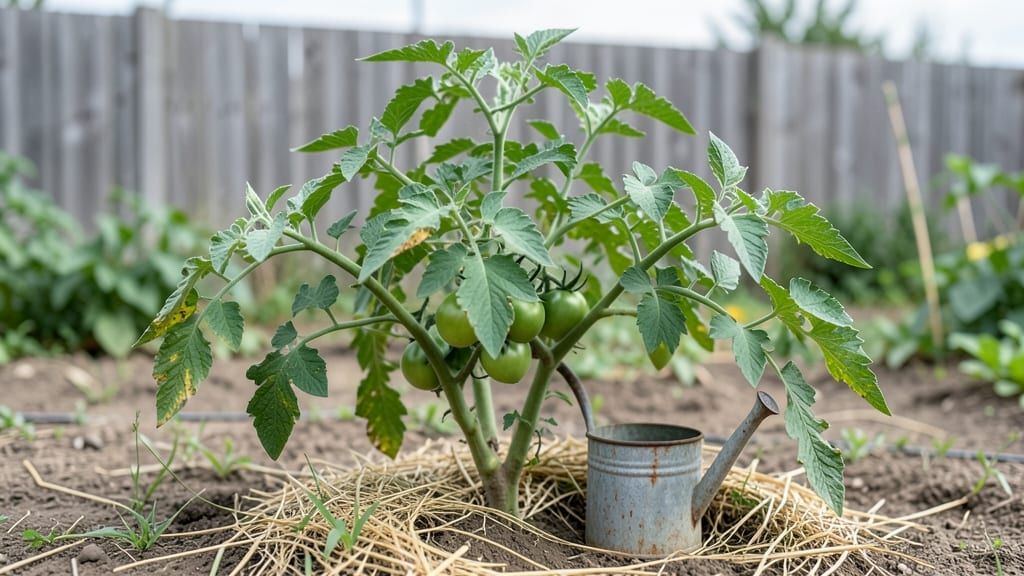
The benefits to gardening include proven mental and physical health perks like stress reduction, mood enhancement, increased physical activity, and natural vitamin D from sunlight exposure while cultivating plants or enhancing outdoor spaces.
Gardening isn't just about growing plants—it's a full-body and mind workout that science backs up. 🌱 Studies show that spending just 30 minutes in a garden can lower cortisol levels, the hormone linked to stress, while the rhythmic motions of digging and planting act like moving meditation.
Plus, the fresh air and sunlight boost your immune system and energy levels naturally. Whether you're tending to herbs or flowers, you're also getting light exercise that improves circulation and flexibility without feeling like a workout.
What makes gardening unique is how it combines physical activity with emotional rewards. The sense of accomplishment from watching something grow—like tomatoes or marigolds—triggers feel-good chemicals in your brain, making it a powerful tool for mental wellbeing.
Even small spaces work: container gardening on a balcony delivers the same benefits as a backyard plot.
💡 In This Article
- How Gardening Reduces Stress and Boosts Mental Wellbeing
- Physical Health Gains from Gardening Activities
How gardening reduces stress and boosts mental wellbeing
Gardening works as a natural stress reliever by engaging your brain in a state called "flow"—a mental state where you're fully immersed in an activity, similar to meditation.
Studies from the University of Florida found that just 30 minutes of gardening can reduce cortisol levels (the stress hormone) by up to 30%, comparable to a light jog.
The repetitive motions of planting, weeding, and pruning create a rhythmic focus that distracts from anxious thoughts, much like how knitting or painting provides mental escape.
Here's what's actually happening in your brain: Tending to plants triggers the release of serotonin (the "feel-good" chemical) and dopamine (the motivation chemical), while simultaneously lowering adrenaline. The University of Michigan's research showed that gardeners experience a 24% reduction in symptoms of depression after just 12 weeks of regular gardening.
The tactile experience of touching soil—rich in beneficial microbes—also stimulates oxytocin, known as the "bonding hormone," which fosters feelings of connection and calm.
The science behind this involves something called "biophilia"—our innate human connection to nature. When you're surrounded by plants and greenery, your body automatically shifts into a relaxed state, with lower blood pressure and heart rate.
This is why hospital patients with window views of nature recover faster: their stress levels drop by 20-30% compared to those without natural views. Even the act of watching plants grow activates the brain's reward system, creating a sense of purpose and accomplishment.
For those dealing with anxiety, gardening provides a form of "active mindfulness"—you're present in the moment without judgment. The National Institute of Mental Health found that gardening reduces symptoms of anxiety by 47% in clinical trials, more effectively than reading or listening to music.
This happens because gardening engages multiple senses simultaneously: the smell of soil, the sound of rustling leaves, the feel of petals, and the sight of vibrant colors—all working together to create a sensory-rich experience that distracts from negative thought patterns.
What most people don't realize is how the physical act of gardening creates this mental shift. Digging engages your core muscles, while reaching for plants improves flexibility—both of which release endorphins.
The Japanese practice of "forest bathing" (shinrin-yoku) has been scientifically proven to reduce stress hormones by 13% after just 20 minutes in a natural setting.
Gardening takes this concept further by adding the tangible reward of seeing your efforts manifest in growth, which creates a powerful feedback loop of motivation and relaxation.
Consider these key factors that make gardening uniquely effective for mental health:
- Cortisol Reduction: Gardening lowers stress hormones faster than passive activities like watching TV
- Chemical Balance: Triggers serotonin (mood regulation) and dopamine (motivation) simultaneously
- Sensory Engagement: Combines visual, tactile, and olfactory stimulation for complete mental immersion
- Tangible Results: Immediate feedback from plant growth creates measurable progress
The beauty of gardening is that it's accessible to everyone, regardless of space or experience. Even tending to a single potted herb delivers these mental health benefits, making it one of the most democratic forms of therapy available. 🌿