Advice
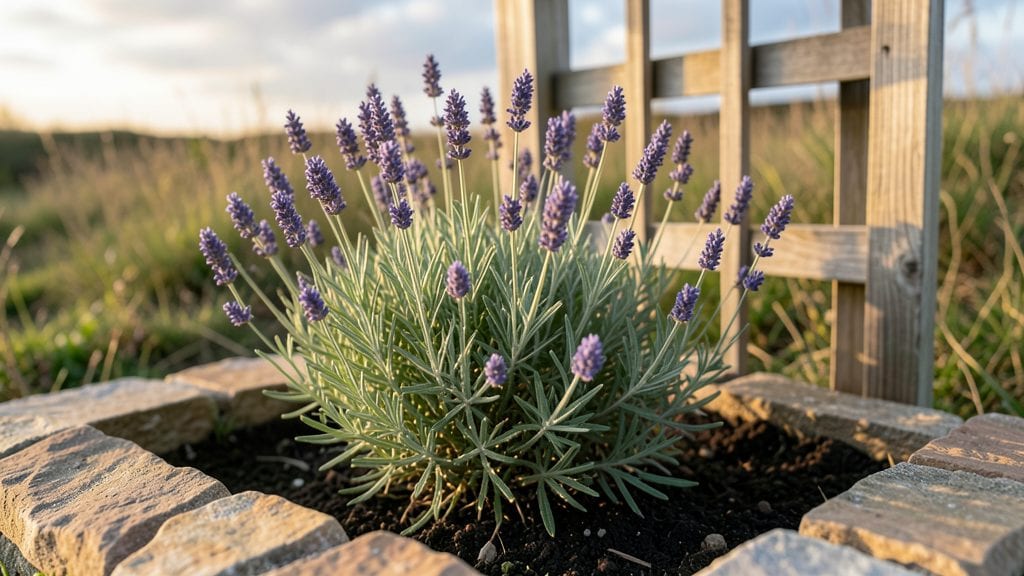
The best states for gardening are California, Oregon, Washington, and Texas, offering ideal climate zones, long growing seasons, and diverse soil types for year-round cultivation. These states excel in both vegetable and flower production due to mild winters, ample rainfall, and specialized agricultural regions.
If you're dreaming of a thriving garden, these four states stand out for their perfect mix of weather and resources. 🌱 California's Mediterranean climate lets gardeners grow citrus and avocados year-round, while Oregon's cool summers and rich volcanic soil make it ideal for berries and vegetables.
Washington's maritime climate extends growing seasons, and Texas offers diverse microclimates from desert to humid subtropical zones. Each state also benefits from strong agricultural communities, making it easier to find local expertise and high-quality seeds.
What sets these states apart isn't just their climate—it's how they support gardeners at every level. California leads in commercial agriculture with advanced irrigation systems, while Oregon's small-scale farming culture thrives on community gardens.
Washington's proximity to Canada allows for unique plant introductions, and Texas's vast agricultural programs provide resources for both beginners and experts. Whether you're growing tomatoes or roses, these states give you the best shot at success.
💡 In This Article
- Climate Zones and Growing Seasons by State
- Top Gardening States for Specific Crops
Climate zones and growing seasons by state
The United States Department of Agriculture (USDA) Plant Hardiness Zone Map divides the country into 13 distinct zones based on average annual minimum temperatures.
California spans zones 5-11, with coastal areas like San Diego in zone 10 experiencing 365 frost-free days annually, while inland regions like Sacramento sit in zone 9 with 250 frost-free days.
This Mediterranean climate creates microclimates perfect for diverse crops—citrus thrives in zones 9-11, while avocados prefer the 10-11 range where winters rarely drop below 30°F. 🌿
Texas presents a stark contrast with its humid subtropical climate, covering zones 6-10.
The eastern half (zone 8-9) receives 45-50 inches of annual rainfall, ideal for vegetables like sweet potatoes and okra, while western regions (zone 9-10) mimic desert conditions with 10-15 inches of rain—perfect for drought-resistant plants like prickly pear cactus.
The state's first frost varies wildly: November in the Panhandle (zone 7) versus January in the Rio Grande Valley (zone 10). This diversity allows gardeners to grow everything from pecans to tropical hibiscus in the same state.
Oregon's marine west coast climate creates a unique growing environment, primarily in zones 7-9. The Willamette Valley (zone 8) enjoys 150 frost-free days and 40 inches of rain, making it ideal for berries like raspberries and blackberries, which require cool nights for flavor development.
Meanwhile, the Columbia River Gorge (zone 7) experiences 180 frost-free days, extending the season for tomatoes and peppers. The state's last frost typically occurs around May 15, giving gardeners a 200-day growing window—longer than most of the U.S.
Washington mirrors Oregon's climate but with even more pronounced maritime influences, spanning zones 5-9. The Puget Sound region (zone 8) receives 30-40 inches of rain annually, while the eastern side (zone 6-7) gets 15-20 inches—creating ideal conditions for both coastal greens and inland fruit trees.
The Cascade Mountains act as a natural barrier, protecting western gardens from harsh continental winds. This allows for year-round gardening in zones 8-9, where strawberries can fruit in spring and fall, and blueberries thrive in the acidic, well-draining soils common in the Pacific Northwest. 🌱
What most gardeners don't realize is how these climate zones interact with soil composition to determine yield.
California's loamy soils in the Central Valley (zone 9-10) hold moisture exceptionally well, supporting 300+ days of tomato production annually, while Texas's blackland prairie soils (zone 8) are rich in organic matter, perfect for heat-loving crops like peanuts.
Oregon's volcanic soils provide natural drainage, preventing root rot in high-rainfall areas, and Washington's glacial till soils offer excellent nutrient retention for perennial crops like asparagus. These soil-climate combinations explain why these states dominate national agricultural production.
For home gardeners, understanding these regional nuances means selecting the right plants for your microclimate. In California's coastal zones (10-11), tropical plants like mangoes and bougainvillea flourish, while inland zones (8-9) are better for olives and figs.
Texas gardeners in zone 10 can grow citrus year-round, but those in zone 7 must choose cold-hardy varieties like Meyer lemons. Oregon's zone 8 is perfect for rhubarb and artichokes, while Washington's zone 7 supports apples and cherries with minimal winter protection.
The key is matching your last frost date with plant hardiness ratings—this simple step can double your harvest success. ✨