
Landscaping
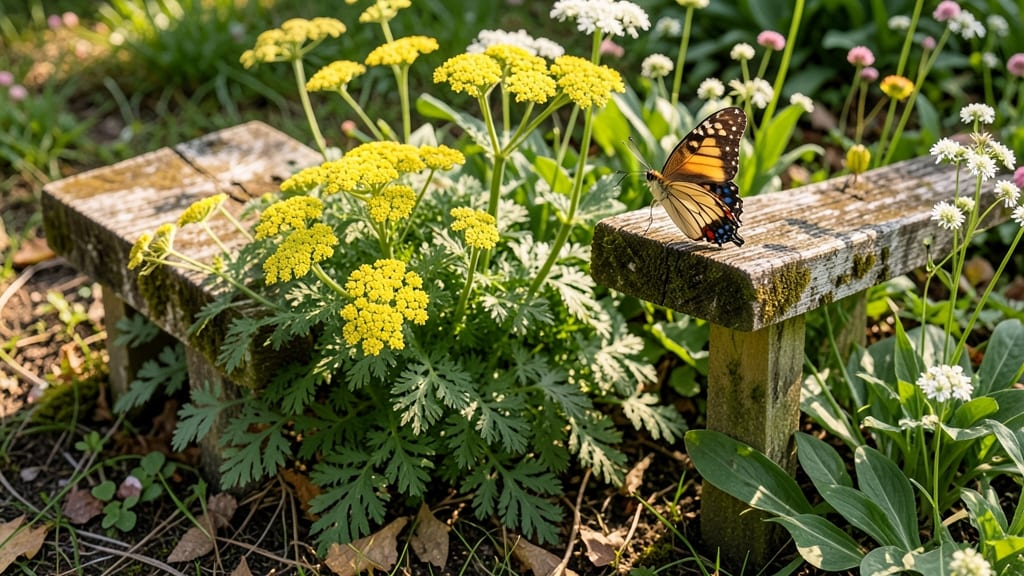
A biodiversity garden design transforms your yard into a thriving ecosystem where pollinators, birds, and beneficial insects have everything they need to survive. I spent years watching my local wildlife struggle until I rebuilt my garden with layered habitats—native shrubs for shelter, wildflowers for food, and water sources for hydration.
The change was shocking: hummingbirds now nest in my cedar hedge, and my tomato plants stay pest-free because ladybugs have a permanent home nearby.
This isn’t about sacrificing beauty for ecology—it’s about creating a garden that’s both stunning and functional. Start with a sunny border for pollinator plants like coneflowers and milkweed, then add shady layers with ferns and hostas for moisture-loving insects.
A small pond or birdbath (even a shallow tray) becomes a magnet for wildlife, while mulched beds keep soil healthy and roots cool. The key is variety: different heights, textures, and bloom times ensure food and shelter year-round.
What you’ll end up with is a garden that hums with activity—literally. Bees, butterflies, and birds create a natural pest-control system while improving your soil through decomposition and pollination.
My neighbors still ask how I got so many flowers without chemicals, but the real secret is letting nature do the work. The payoff? A yard that’s alive, not just landscaped, with wildlife that sticks around because they have a reason to.
Works in urban backyards, rural acres, or even container gardens on patios. The principles scale with your space—whether you’re adding one native shrub or redesigning an entire landscape. Let’s build a garden that works as hard as it looks.
📚 In This Guide
- What you need
- Instructions
- Tips and common mistakes
- Wrapping up and next steps
What you need
- ● Native plants: Select a mix of perennials, shrubs, and trees (e.g., milkweed, coneflowers, oak trees). Aim for at least 5-10 species to attract varied pollinators.
- ● Soil amendments: Compost (1-2 bags per 100 sq. ft.), mulch (cedar or hardwood), and native topsoil (5+ cubic yards for a medium-sized garden).
- ● Water features: A small pond kit (with a pre-formed liner) or a birdbath (1-2 units).
- ● Structural elements: Rocks or logs (for shelter—10-20 pieces, varying sizes).
- ● Bricks or pavers (for pathways—50+ units).
- ● Wildlife-friendly additions: Bee houses (1-2 units).
- ● Butterfly pupa pods (3-5 units).
- ● Bird feeders/nesters (2-3 units).
- ● Basic tools: Shovel, pruners, rake, wheelbarrow, and gloves.
- ● Measuring tools: Tape measure (25+ ft) and string line.
- ○ Optional tech: Soil pH tester and moisture meter (for precision).
- ● Site assessment: Sunlight map (note shade/sun patterns) and soil test (check pH and drainage).
- ● Permits: Verify local regulations for water features or native plant use (some areas offer rebates!).
- ● Budget: Plan for $500–$2,000+ depending on garden size and materials.
Instructions for creating a functional biodiversity garden
Here's how to build layered habitats that support wildlife year-round using strategic plant selection and structural diversity.
Design the Vertical Layers for Maximum Habitat Diversity
Start by mapping four vertical layers: canopy, shrub, herbaceous, and ground cover. The canopy layer should include mature trees like oak or maple to provide shade and nesting sites for birds and bats. I recommend spacing these 15-20 feet apart to create an open understory while maintaining a continuous canopy effect. This upper layer is critical for larger wildlife—squirrels, owls, and insects all rely on these structures.
Below the canopy, incorporate shrubs such as serviceberry or elderberry, planted 6-10 feet apart in clusters of three. These mid-height plants offer berries for birds, shelter for small mammals, and vertical surfaces for pollinators to forage. I always group shrubs in odd-numbered clusters to create natural-looking groupings that mimic wild ecosystems. The spacing allows sunlight to reach the lower layers while providing dense enough coverage for wildlife to feel secure.
Select Native Perennials for the Herbaceous Layer
Choose native perennials like coneflower, black-eyed Susan, and milkweed for the herbaceous layer, spacing them 12-18 inches apart in drifts rather than straight rows. Native plants support specialized pollinators and provide seasonal interest—early bloomers like bloodroot give way to summer favorites like bee balm, then late-season asters feed migrating birds. I always include at least three plants per square foot to ensure continuous blooms and seed production.
Add wildflower mixes in sunny areas to create a natural meadow effect. These low-maintenance plants thrive with minimal intervention and provide nectar for butterflies and bees throughout the growing season. The key is variety: include plants that bloom at different times to maintain food sources for wildlife from spring through fall. Avoid monocultures—they offer no nutritional diversity for insects or birds.
Create Ground Cover and Microhabitats
Fill gaps with ground-cover plants like creeping thyme, sedum, or wild strawberry, which suppress weeds while providing shelter for beneficial insects and amphibians. These should be planted 6-12 inches apart in areas where sunlight reaches the soil. The goal is to create a dense, living mulch that retains moisture and prevents erosion while allowing small creatures to move freely through the garden.
Incorporate log piles, rock gardens, and leaf litter to create microhabitats. A 3-foot diameter log pile in a shady corner provides shelter for salamanders, toads, and insects during winter. I always leave some areas intentionally undisturbed—even a simple brush pile offers nesting sites for birds and overwintering spots for beneficial insects. These small-scale features make the biggest difference in supporting biodiversity.
Add Water Features and Food Sources
Install a small pond or birdbath—even a 12-inch diameter basin filled with water attracts amphibians, insects, and birds. Place it near shrubs so wildlife feels protected while accessing the water. I recommend adding a few flat stones at the edge to give insects a place to exit safely. A shallow water source is one of the most effective ways to draw wildlife into your garden, especially during dry periods.
Include native grasses like switchgrass or little bluestem in one corner to provide seed heads for birds in late summer and winter. These grasses also offer nesting material and shelter for small mammals. I always leave some seed heads standing until spring—many birds rely on these natural food sources when other options are scarce. The vertical texture also adds visual interest while serving an ecological purpose.
Maintain with Wildlife in Mind
Mulch with 3-4 inches of organic mulch (like wood chips) to retain moisture and regulate soil temperature, but leave some bare soil in patches for ground-nesting bees. I always avoid synthetic mulches—they don't break down and can harm wildlife. Instead, use locally sourced wood chips or leaf litter, which also provide microhabitats for soil-dwelling creatures.
Limit chemical interventions—pesticides and herbicides harm the very wildlife you're trying to attract. Instead, hand-pull weeds and use neem oil or insecticidal soap sparingly, targeting only problematic pests. The goal is to create a balanced ecosystem where beneficial insects and predators naturally control pests. Even a few "messy" corners with dead plant stems left standing will provide overwintering sites for beneficial insects.
Tips & tricks for perfect biodiversity garden design
A few strategic moves will transform your garden from a decorative space into a thriving ecosystem that supports wildlife year-round. Here's what I've learned from years of designing functional habitats.
Layered Planting Strategy: When planning your vertical layers in Step 1, think about the mature height of each plant. For example, a young oak tree might start small but will eventually dominate the space—place it where it won't shade out your shrub layer completely as it grows. I recommend using the 15-20 foot spacing for canopy trees but leave extra room if you're working with fast-growing species like silver maple. The key is creating a gradual transition between layers rather than abrupt height changes.
Native Plant Selection: In Step 2, don't just focus on individual plants—consider how they'll interact. For instance, pair milkweed (which attracts monarch butterflies) with coneflower (which provides nectar) to create a complete food chain. I always research which native plants support which pollinators in my region before making selections. This ensures your garden becomes a functional ecosystem rather than just a pretty landscape. The three plants per square foot guideline works well for most native perennials when planted in drifts.
Microhabitat Placement: The small details in Step 3 often make the biggest difference. When creating your 3-foot diameter log pile, choose a location that's partially shaded but still visible from your house—this provides shelter while allowing you to observe the wildlife it attracts. I've found that placing log piles near shrubs creates a natural corridor that small mammals can use to move safely through the garden. Leave some of the bark intact on the logs to maximize their value as overwintering sites for insects.
Water Feature Placement: In Step 4, the location of your 12-inch diameter basin is more important than you might think. Position it where it's visible from your kitchen window or a seating area, but also near shrubs that can provide overhead cover. This gives wildlife a sense of security while allowing you to enjoy observing them. The flat stones at the edge aren't just decorative—they create gentle slopes that make it easier for insects and amphibians to escape if they accidentally fall in.
Pro Tips for Biodiversity Garden Design
- A few strategic moves will transform your garden from a decorative space into a thriving ecosystem that supports wildlife year-round.
- Layered Planting Strategy: When planning your vertical layers in Step 1, think about the mature height of each plant.
- Native Plant Selection: In Step 2, don't just focus on individual plants—consider how they'll interact.
Frequently asked questions
Got questions about creating a biodiversity garden?
You’re not alone! Here are some of the most common concerns—and practical answers—to help you design a thriving, wildlife-friendly space with confidence.
How do I start a biodiversity garden on a small budget?
Begin with native plants—many are inexpensive and require minimal upkeep. Use recycled materials (like pallets or bricks) for raised beds, and focus on layers: ground covers, shrubs, and trees. Check local conservation groups for free or discounted native seedlings. Even a tiny patch (like a windowsill herb garden or a rain barrel setup) can make a difference!
When is the best time to plant for maximum biodiversity?
Timing depends on your climate, but early spring (for perennials and bulbs) and late summer/early fall (for fall-blooming plants) are ideal. Plant year-round in mild climates, but prioritize native species that align with local wildlife cycles. Pro tip: Plant in layers—start with trees/shrubs first, then add flowers and grasses to create instant habitats.
What if I don’t have space for a full garden? Can I still help wildlife?
Even balconies, rooftops, or small yards can support biodiversity. Use vertical gardens (hanging planters, trellises), install a mini birdbath, or create a bug hotel from a hollow log or bamboo stakes. Container gardening with native flowers (like milkweed or coneflowers) attracts pollinators instantly. Think micro-habitats, not just square footage!
Will my garden attract pests like mosquitoes or rodents?
Not if designed right! Avoid stagnant water (mosquito breeding grounds) by using moving water features or shallow, sloped dishes. For rodents, avoid dense mulch piles and opt for open, layered plantings that deter burrowing. Native plants also support natural predators (like bats, birds, and amphibians) that keep pest populations in check. Balance is key!
How do I maintain a biodiversity garden in extreme heat or drought?
Choose drought-tolerant natives (e.g., yarrow, sedum, or cacti) and mulch heavily to retain moisture. Group plants with similar water needs, and install a rainwater collection system (like a barrel or swale). Deep watering (1–2 times weekly) encourages root growth, while shade plants (like ferns or hostas) protect soil from drying out.
What’s the easiest way to troubleshoot a “dead” biodiversity garden?
First, check soil health—test pH and amend with compost if needed. Ensure diverse plant layers (trees, shrubs, flowers, grasses) are present. If wildlife isn’t visiting, add water sources (birdbaths, puddles) or shelter (log piles, dense shrubs). Observe: Are plants wilting? (Water issue.) No birds? (Add berry-producing shrubs.) Patience and small tweaks often work wonders!
Wrapping up and next steps
Creating a biodiversity garden isn’t just about beauty—it’s a powerful way to support local ecosystems and wildlife year-round! 🌿 By layering habitats with native plants, water sources, and shelter, you’re crafting a thriving sanctuary that benefits pollinators, birds, and even beneficial insects.
Start small, experiment with designs, and watch your garden transform into a bustling hub of life.
Ready to take the next step? Sketch your first design, gather a few key plants, and begin transforming even a tiny patch of land. Every garden makes a difference—your efforts will inspire others to do the same!