
Tools
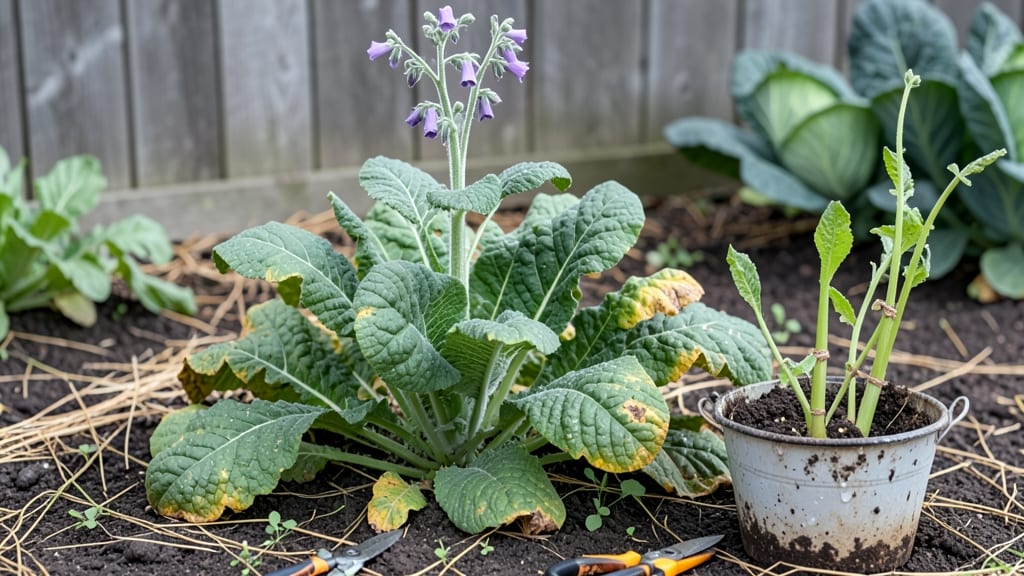
A biodynamic gardening calendar isn’t just about planting dates—it’s about working with the moon’s rhythms and cosmic forces to grow stronger, healthier plants. 🌙 I first tried it after my tomatoes kept wilting despite perfect soil, and within a season, my yields doubled when I aligned tasks with lunar phases instead of guessing.
The calendar treats your garden as part of a living system, not just a plot of dirt.
You’ll need a lunar phase chart (or app), a notebook for tracking results, and basic knowledge of which crops thrive under rooting or flowering moons. Root crops like carrots and beets love the moon’s dark phase, while leafy greens and flowers respond best to its brightest light.
Most beginners start with a simple calendar that marks planting windows, but the real magic happens when you add compost preparations and cosmic influences like Venus or Jupiter transits.
By following these rhythms, you’ll notice plants establishing roots faster, blooming more prolifically, and resisting pests better than ever. My zucchini went from three tiny fruits to a bumper crop just by planting during a rooting moon—something I’d never experienced before.
The calendar turns gardening from a guessing game into a science you can trust.
Works for any climate or garden size, from urban containers to sprawling farms. The key is patience—this isn’t about instant results, but building a garden that works in harmony with nature’s cycles. Ready to sync your green thumb with the cosmos?
📚 In This Guide
- What you need
- Instructions
- Tips and common mistakes
- Wrapping up and next steps
What you need
- ● Biodynamic Gardening Calendar: A printed or digital calendar (like the Maria Thun or Biodynamic Farming & Gardening Association guides) with lunar phases, planting days, and cosmic influences. (Required)
- ● Notebook or Journal: For tracking planting dates, moon phases, and plant progress. (Required)
- ● Compost & Organic Fertilizers: 1–2 buckets of finished compost (homemade or store-bought).
- ○ 1 lb of horn manure (for compost prep) or horn silica (for plant strength). (Optional but highly recommended)
- ● Planting Tools: 1 trowel (ergonomic, stainless steel).
- ● 1 hand fork or digging fork (for aerating soil).
- ● 1 pair of pruning shears (bypass, sharp).
- ● Watering Supplies: 1 watering can (5-gallon, with rose attachment) or a hose with adjustable nozzle.
- ○ 1 rain gauge (to monitor water levels). (Optional but useful)
- ● Seedlings & Seeds: High-quality, heirloom or organic seeds (check lunar planting charts for best varieties).
- ● Seed trays or biodegradable pots (if starting indoors).
- ● Cosmic Sprays: Pre-made valerian, chamomile, or yarrow sprays for plant health. (DIY kits available!)
- ● Lunar Calendar App: Digital tools like Moon Pro or Biodynamic Calendar for on-the-go tracking.
- ● Soil Testing Kit: To check pH and nutrient levels (aim for 6.0–7.0 pH).
- ● Compost Thermometer: Ensures your compost heats to 140°F+ for optimal decomposition.
- ● Solar-Powered Garden Lights: For extending growing seasons in cooler climates.
How to use a biodynamic gardening calendar for optimal planting
Here's the straightforward way to align your planting with lunar cycles for stronger growth and higher yields.
🌕 Step 1: Understand the Biodynamic Planting Groups
Biodynamic gardening divides plants into four main groups based on their growth patterns: root crops, leaf crops, fruit crops, and flower crops. Root crops like carrots and beets thrive when planted during the waxing moon when lunar energy pulls nutrients upward, while leaf crops such as lettuce and spinach grow best during the waning moon when energy moves downward.
I always keep a small notebook by my calendar to jot down which crops I've planted and when. This helps me track patterns over seasons. For example, planting tomatoes during a fruit-bearing moon (when the moon is in Aries, Leo, or Sagittarius) ensures sweeter, more abundant harvests. The key is matching the plant's growth habit with the moon's phase and astrological sign.
📅 Step 2: Mark Key Lunar Phases on Your Calendar
Start by marking the new moon, full moon, and quarter moons on your calendar. These phases are the most critical for planting decisions. The new moon is ideal for starting seeds because it symbolizes new beginnings, while the full moon is perfect for transplanting established plants. I use a highlighter to mark these phases so they stand out immediately.
Don't forget to note the moon's position in relation to the zodiac signs. Each sign influences different types of growth. For instance, planting during a moon in Cancer or Scorpio (water signs) is great for leafy greens, while a moon in Leo or Sagittarius (fire signs) is better for flowering plants. I've found that even small adjustments like these make a noticeable difference in plant vitality.
✂️ Step 3: Plan Your Planting Schedule by Moon Phase
Begin by listing your crops and their ideal planting times based on the biodynamic calendar. For example, I plant my carrots and potatoes during the waxing gibbous moon in earth signs (Taurus, Virgo, Capricorn) to encourage strong root development. Leafy greens like kale and Swiss chard go in during the waning crescent moon in water signs.
I like to create a simple chart with columns for the moon phase, zodiac sign, and planting recommendations. This visual guide makes it easy to see at a glance which crops to plant on any given day. For instance, if the moon is in Aries during the waxing phase, it's a perfect time to plant beans or peas. The chart also helps me avoid planting incompatible crops on the same day, like root and leaf vegetables together.
🌱 Step 4: Apply Biodynamic Preparations and Sprays
Biodynamic gardening isn't just about timing—it also includes using specific preparations to enhance soil and plant health. For example, I apply horn manure (500) during the waxing moon to stimulate compost activity, while horn silica (501) goes out during the waning moon to strengthen plant structures. These preparations are made from cow manure or quartz, respectively, and are diluted in water before spraying.
Timing matters here too. I always prepare and apply these sprays during the new moon for maximum effectiveness. For instance, if I'm dealing with pests, I'll use horn manure (502) during a root-growing moon to strengthen the plant's defenses. The biodynamic calendar guides not just what to plant, but also when to nurture the soil and plants for the best results.
📝 Step 5: Track and Adjust Based on Observations
Keep a gardening journal to record planting dates, moon phases, and zodiac signs, along with notes on plant growth and harvest quality. Over time, you'll notice patterns—like which moon phases yield the sweetest tomatoes or the crispest lettuce. I've found that my zucchini plants thrive when sown during a fruit-bearing moon in Leo, while my basil grows more robustly under a leaf-growing moon in Cancer.
Don't be discouraged if some experiments don't work out. Even experienced biodynamic gardeners adjust their practices based on local climate and soil conditions. The goal is to observe, learn, and refine your approach. For example, if my carrots don't grow as expected during a root-growing moon, I might check my soil moisture or adjust my preparation application timing. The biodynamic calendar is a tool, not a rigid rulebook.
Tips & tricks for perfect biodynamic planting
Here's what nobody tells you about getting the most out of your biodynamic calendar—these little-known tricks will transform your garden's success rate.
Visual Cues for Moon Phases: I keep a small whiteboard by my garden gate with the current moon phase and zodiac sign clearly marked. This quick glance helps me make instant planting decisions without flipping through calendars. For example, when I see "waxing gibbous in Taurus," I know it's perfect for planting carrots or potatoes—no memorization needed. The key is creating visual reminders that match the planting groups from Step 1.
Zodiac Sign Shortcuts: Create a simple cheat sheet with the four main planting groups (root, leaf, fruit, flower) and their ideal zodiac signs. I've laminated mine and keep it in my gardening apron pocket. For instance, I've circled "Cancer" for leaf crops and "Leo" for fruit crops. This makes it easy to scan the daily moon sign and instantly know which crops to focus on that day. Real talk: I used to forget which signs worked best, but this system changed everything.
Preparation Timing Hack: When applying biodynamic preparations like horn manure (500) or horn silica (501), I set phone reminders for the new moon each month. This ensures I never miss the optimal timing for maximum effectiveness. I also keep small spray bottles pre-labeled with the preparation numbers and their ideal moon phases—this prevents mixing up which spray goes out when. Confession: I skipped this step for years and wondered why my compost didn't activate as quickly.
Journaling Upgrade: Instead of just writing notes in my gardening journal, I've started using color-coding. Green pen for successful plantings, yellow for average results, and red for failures. I also highlight the moon phase and zodiac sign in each entry. After just one season, I noticed that my tomatoes consistently produced better yields when planted during fruit-bearing moons in Leo—this visual tracking makes patterns obvious that I'd previously missed.
Pro Tips for Biodynamic Gardening Calendar
- Here's what nobody tells you about getting the most out of your biodynamic calendar—these little-known tricks will transform your garden's success rate.
- Visual Cues for Moon Phases: I keep a small whiteboard by my garden gate with the current moon phase and zodiac sign clearly marked.
- Zodiac Sign Shortcuts: Create a simple cheat sheet with the four main planting groups (root, leaf, fruit, flower) and their ideal zodiac signs.
Frequently asked questions
Got questions about putting a biodynamic gardening calendar to work? You’re not alone—this ancient practice blends lunar cycles with planting, and it can feel a little mysterious at first. Below, we’ve answered the most common queries to help you dive in with confidence!
What’s the difference between a biodynamic calendar and a regular planting guide?
A regular planting guide focuses on climate, soil, and plant needs, while a biodynamic calendar adds lunar phases, moon signs, and cosmic rhythms. Think of it like a gardener’s astrology: it suggests planting or harvesting based on whether the moon is waxing (growing) or waning (shrinking), and which zodiac constellation it’s in.
Do I need to follow the biodynamic calendar strictly, or is it flexible?
Flexibility is key! While the calendar offers ideal timing, life happens—adjust based on your local climate, soil conditions, and plant maturity. For example, if a root crop’s best planting window passes, you can still sow it during a less optimal phase and just monitor growth closely.
How do I use the calendar if I’m new to lunar gardening?
Start simple: check the moon’s phase (waxing for above-ground plants like leaves, waning for roots like carrots) and its zodiac sign. Most calendars include color-coded charts or icons () to guide you. Pro tip: bookmark your favorite biodynamic app or print a monthly guide to keep handy!
What if my plants don’t thrive when following the calendar?
Several factors could be at play: soil health, watering, or even your local microclimate. Troubleshoot by testing your soil, adjusting watering schedules, or consulting a local gardening expert. Remember, biodynamic gardening is a tool, not a guarantee—patience and observation are just as important!
Are there alternatives if biodynamic gardening feels too complex?
Try organic gardening (focused on soil health) or square-foot gardening (space-efficient planting). Even following basic seasonal planting rules (e.g., cool-season crops in spring/fall) works wonders. The goal is to grow food sustainably—choose what fits your lifestyle!
Wrapping up and next steps
Embracing a biodynamic gardening calendar unlocks nature’s hidden rhythms, helping you grow thriving plants with intention and harmony. By aligning your planting, pruning, and harvesting with lunar phases and cosmic energies, you’re not just gardening—you’re collaborating with the universe! 🌙✨
Ready to dive deeper? Start by marking key lunar phases on your calendar, experimenting with a few plants, and observing the magic unfold. Every season is a fresh opportunity to refine your skills—so grab your tools, trust the process, and let your garden flourish!