Tools
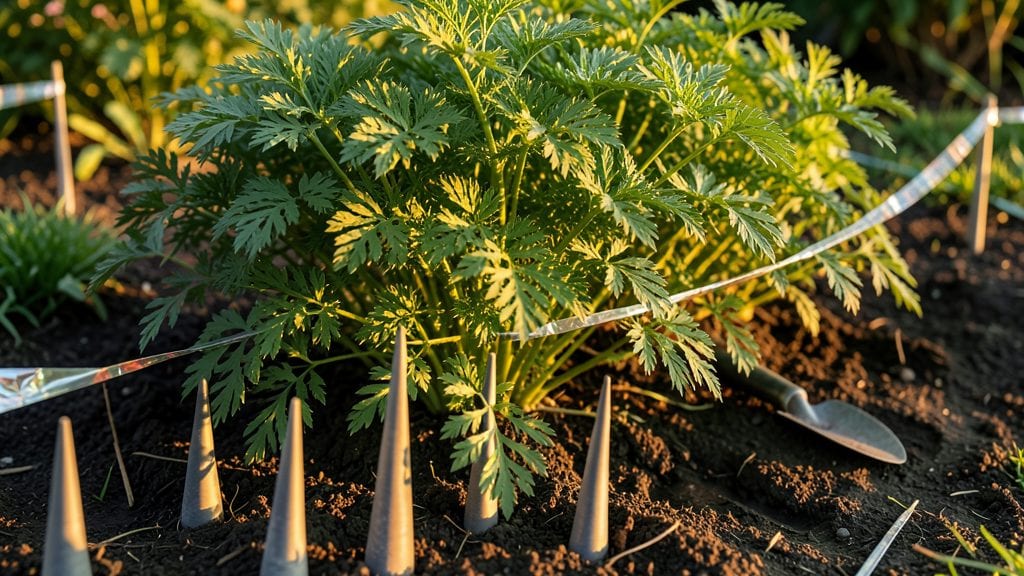
A bird deterrent garden isn't just about scaring off feathers—it's about creating a layered defense that keeps your plants safe while still looking stunning. 🌿 I learned the hard way when my prize-winning marigolds became a buffet for sparrows, but the right plant choices and a few clever tricks turned my garden into a no-fly zone.
The key is combining plants birds dislike—like rosemary, lavender, and Russian sage—with physical barriers where needed. A few reflective tape strips or bird netting over vulnerable areas (like berry bushes or new seedlings) can make all the difference without sacrificing beauty.
Even a simple wind chime near problem spots disrupts their flight patterns.
By the end of this, your garden will be a bird-free paradise where vegetables thrive and flowers bloom undisturbed. The best part? You won’t sacrifice aesthetics—just strategic placement and a few smart deterrents. Ready to reclaim your garden from feathered thieves?
Works for vegetable patches, flower beds, or even patio containers. Let’s design a garden that’s as functional as it is beautiful—without turning into a bird buffet.
📚 In This Guide
- What you need
- Instructions
- Tips and common mistakes
- Wrapping up and next steps
What you need
- ● Bird-repellent plants (5+ varieties): Columbine (Aquilegia) – 3-5 plants
- ● Foxglove (Digitalis) – 2-3 plants (wear gloves when handling!)
- ● Lobelia (Lobelia erinus) – 1-2 hanging baskets or clusters
- ● Marigolds (Tagetes) – 5-7 plants (bright colors deter birds)
- ● Lavender (Lavandula) – 3-4 plants (scent + texture)
- ○ Physical barriers (optional but effective): Bird netting (lightweight, 1/2" mesh) – enough to cover vulnerable areas
- ● Reflective tape or old CDs (for scare tactics)
- ● Gardening tools: Trowel or hand shovel
- ● Pruning shears
- ● Gloves (nitrile or leather)
- ● Watering can or hose with spray nozzle
- ● Mulch (straw or shredded bark) – 2-3 bags to suppress weeds and add texture
- ● Decorative rocks or pebbles – for pathways or borders (1-2 bags)
- ● Wind chimes or solar-powered motion-activated sprinklers – for extra deterrence
- ● Potted citrus or rosemary – 1-2 plants (birds dislike the scent!)
Step-by-Step instructions for designing a bird deterrent garden
Here’s how to strategically place plants to create a natural barrier birds won’t cross.
🌱 Step 1: Choose the Right Plants for Visual and Scent-Based Deterrence
Select thorny shrubs like barberry or hawthorn—their sharp spines create physical barriers birds avoid. I also include strong-scented herbs such as rosemary, lavender, and mint, whose fragrance masks food odors that attract birds. Place these near problem areas like patios or bird feeders.
For larger spaces, tall grasses like ornamental millet or switchgrass add height and movement, making the area feel less inviting. Birds prefer open, easy-to-navigate spaces, so dense foliage disrupts their flight paths. Arrange plants in clusters of three or more to create a cohesive visual deterrent.
🌿 Step 2: Create a Multi-Layered Planting Scheme
Start with a tall perimeter layer of thorny shrubs or tall grasses, spaced 3-4 feet apart to block birds’ line of sight. Behind this, add medium-height plants like boxwood or holly, which fill gaps while maintaining a dense structure. Finally, incorporate ground covers such as creeping thyme or clover to eliminate open soil where birds might forage.
This layered approach forces birds to fly higher or avoid the area entirely. I always test visibility from a bird’s-eye perspective—if you can see through gaps, so can they. Adjust spacing until the foliage creates a continuous barrier from ground to canopy.
☀️ Step 3: Position Reflective and Shiny Elements
Hang old CDs or wind chimes among the plants to create movement and reflections that startle birds. Place them 18-24 inches above ground level, where birds are most active. The flickering light and sound mimic predators, making the area feel unsafe. I also use solar-powered bubble machines near entry points—their random bursts of bubbles disrupt birds’ flight patterns.
Combine these with metallic plant markers or aluminum pie pans (the kind used for baking) to amplify the effect. Birds associate shiny objects with threats, so the more reflective surfaces, the better. Just ensure they’re secured so wind doesn’t carry them away.
✂️ Step 4: Maintain Pruning and Seasonal Adjustments
Prune thorny shrubs in early spring to encourage dense growth, filling gaps where birds might slip through. Trim back any leggy branches that create weak spots. For grasses, cut back one-third of the height in late winter to stimulate new growth and maintain their height advantage over birds.
Seasonal swaps are key—replace summer-blooming herbs with winter-scented plants like wintergreen or pine sprigs to keep the deterrent effective year-round. I also add evergreen boughs in fall to extend the barrier’s visual impact during bare months.
🪴 Step 5: Test and Refine the Layout
Monitor the garden for 2-3 weeks after planting, noting where birds still gather. If they target specific spots, reinforce those areas with additional thorny plants or reflective elements. I keep a small notebook to track patterns—birds often return to the same perches, so addressing those first yields the fastest results.
Adjust plant spacing as needed; if birds find a gap, fill it immediately. Over time, the garden will become a natural deterrent, but consistency is critical. Even a single weak spot can undo months of effort. Once established, this layout will keep your space bird-free for years.
Tips & tricks for perfect bird deterrent garden design
A few strategic tweaks can turn your garden into an impenetrable fortress against feathered intruders. Here's what I've learned from years of testing what actually works.
Layering for Maximum Impact: In Step 2, when creating your multi-layered scheme, think vertically as well as horizontally. Birds navigate by sight, so aim for a dense canopy from ground level all the way up to 6 feet. I've found that adding vines like clematis to trellises at the back layer creates an additional barrier birds won't attempt to fly through. The key is eliminating any straight-line paths they could use to approach your protected area.
Scent Strategy: The herbs mentioned in Step 1 work best when planted in concentrated clusters near high-traffic bird areas. I recommend creating small "scent islands" using lavender and mint—these two are particularly effective because their fragrance is both strong and unpleasant to birds. Place these within 3 feet of your patio edges or bird feeder locations where you've noticed the most activity. The concentrated scent creates an invisible barrier they'll avoid.
Reflective Element Placement: For Step 3, when positioning your reflective objects, think about bird flight patterns. Hang CDs and wind chimes at 45-degree angles to create maximum movement and reflection. I've noticed birds are most deterred when they see these elements moving unpredictably—so place them where they'll catch the wind or sunlight at different times of day. The goal is to mimic predator movement patterns that make birds feel vulnerable.
Seasonal Transition Tips: In Step 4, when making seasonal adjustments, consider creating a "winter deterrent kit" with evergreen boughs, pine cones, and even frozen orange halves (birds hate the smell). These can be strategically placed in late fall to maintain your deterrent during bare months. I've had great success with cedar mulch—its natural oils are particularly repellent to birds and provide additional ground cover.
Pro Tips for Bird Deterrent Garden
- A few strategic tweaks can turn your garden into an impenetrable fortress against feathered intruders.
- Layering for Maximum Impact: In Step 2, when creating your multi-layered scheme, think vertically as well as horizontally.
- Scent Strategy: The herbs mentioned in Step 1 work best when planted in concentrated clusters near high-traffic bird areas.
Frequently asked questions
Got questions about keeping birds at bay with a bird deterrent garden? You’re not alone! Here are some of the most common queries—and straightforward answers to help you design a bird-free haven without stress.
What are the most effective plants to repel birds naturally?
Birds dislike strong scents and textures. Try lavender, rosemary, marigolds, or Russian sage—their pungent aromas and prickly leaves deter feathered visitors. Colocasia (elephant ears) and foxtail lilies also work well due to their rough foliage. Combine these with reflective surfaces (like wind chimes) for extra protection.
How long does it take for a bird deterrent garden to start working?
Results vary! If you’re planting strong-scented herbs, you may see a difference in 2–4 weeks as the fragrance intensifies. For physical barriers (like thorny bushes), birds may avoid the area within 1–2 weeks once the plants mature. Patience is key—consistency matters more than speed.
Will a bird deterrent garden harm beneficial birds like hummingbirds or bees?
Not if planned carefully! Focus deterrents on problem areas (e.g., vegetable gardens, patios) and leave native flowers (like coneflowers or bee balm) for pollinators. Avoid toxic plants (e.g., foxglove) and opt for bird-safe alternatives like dill or borage, which attract good birds while repelling pests.
What if birds still won’t leave after planting a deterrent garden?
Try these troubleshooting tips:
- Add visual deterrents: Hang old CDs, aluminum pie pans, or predator decoys (like owl statues).
- Use motion-activated sprinklers for stubborn birds.
- Reassess plant placement: Ensure deterrents are dense and strategically placed near entry points.
- Combine methods: Pair plants with ultrasonic devices or bird netting for stubborn species.
Is a bird deterrent garden more cost-effective than commercial repellents?
Yes! While spray repellents (like predator urine) cost $10–$30 per season, a bird deterrent garden is a one-time investment (plants range from $5–$20 each). Plus, it’s eco-friendly, low-maintenance, and boosts curb appeal. Over time, you’ll save money—and birds!
Wrapping up and next steps
Creating a bird deterrent garden is all about smart plant choices and strategic placement—no harsh chemicals needed! 🌿 By blending bird-unfriendly plants like lavender, marigolds, and citrus trees with natural repellents like reflective surfaces or predator decoys, you can protect your garden while keeping it thriving.
The best part? These methods are eco-friendly and easy to maintain.
Ready to put your newfound knowledge into action? Start small—pick one or two plants from this guide and observe how your garden transforms! With a little patience and creativity, you’ll have a feather-free haven in no time. Happy gardening! 🌱✨