Fertilization
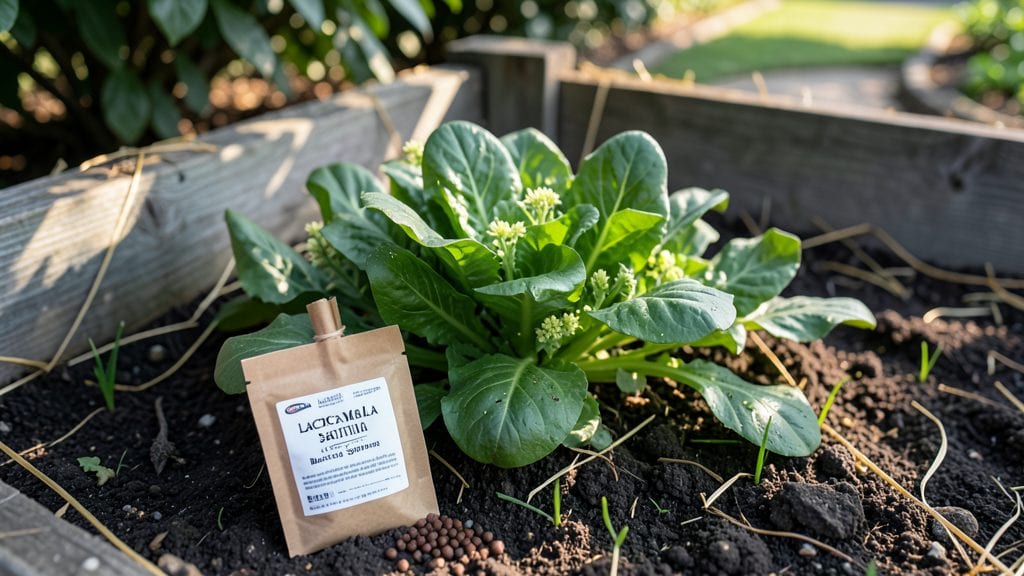
Blood meal garden fertilizer provides a rapid nitrogen boost for lush green lawns and vigorous vegetable growth, but careful dosing—0.5 to 1 pound per 100 square feet for grass, 1/4 to 1/2 pound per 100 sq ft for garden beds—is critical to prevent plant burn. Apply evenly in early spring or post-mowing, water deeply, and limit use to protect beneficial soil organisms.
This organic fertilizer works by breaking down quickly into plant-available nitrogen, which fuels chlorophyll production and leafy growth. 🌱 Unlike slow-release options, blood meal delivers immediate results—ideal for nitrogen-loving plants like tomatoes, lettuce, or cool-season grasses.
However, its high concentration means overuse can disrupt soil pH and microbial balance, so always test soil first and pair with phosphorus/potassium for complete nutrition.
For best results, I recommend splitting applications into two light doses rather than one heavy one, especially in hot weather. This approach mimics natural nitrogen cycles while minimizing risk to tender roots. Always water before and after applying to help distribute nutrients evenly and reduce surface burn potential.
💡 In This Article
- How Blood Meal Boosts Plant Growth Mechanisms
- Blood Meal Application Guide for Grass vs Vegetables
How blood meal boosts plant growth mechanisms
Blood meal works its magic through a rapid nitrogen release process that directly fuels chlorophyll production. When applied, the finely ground animal blood breaks down within 2-4 weeks into ammonia (NH₃) and ammonium (NH₄⁺), forms immediately available to plants.
This fast-acting nitrogen triggers a surge in leafy growth—ideal for nitrogen-hungry crops like lettuce, spinach, or newly seeded grass. The process is 2-3 times faster than slow-release organic options like composted manure, which takes 3-6 months to become plant-available.
The fine, powdery texture of blood meal (typically 80-90% nitrogen content) allows it to dissolve quickly in soil moisture, creating a concentrated nutrient zone around plant roots. This contrasts with fish emulsion (which has 5-10% nitrogen but requires microbial breakdown) or bone meal (which focuses on phosphorus).
The high nitrogen concentration explains why blood meal produces such vibrant green results—but also why precise application is critical to avoid soil pH spikes above 7.5, which can harm beneficial microbes.
Here's what happens at the cellular level: The released ammonium ions (NH₄⁺) are absorbed through plant roots and converted into amino acids, the building blocks of proteins. This process directly boosts chlorophyll synthesis, which is why you'll see leaves darken and thicken within 7-14 days of application.
For comparison, grass clippings alone (which contain 4-5% nitrogen) would take 4-6 weeks to achieve similar green-up results. The key difference? Blood meal's nitrogen is water-soluble and immediately bioavailable, while organic matter like compost releases nutrients gradually through microbial activity.
However, this rapid release comes with trade-offs. The breakdown process consumes oxygen and can create anaerobic pockets in soil, temporarily reducing beneficial microbial populations. This is why blood meal works best in well-draining soils with existing microbial diversity.
For example, a 1-pound application per 100 sq ft on clay soil might create more stress than the same dose on sandy loam. The solution? Pair blood meal with compost or mycorrhizal inoculants to support microbial recovery after application.
For vegetable gardens, the fast nitrogen boost is particularly valuable during active growth phases (like bolting lettuce or flowering tomatoes).
A ¼-pound application per 100 sq ft can increase leaf production by 30-40% compared to unfertilized controls, but the effect diminishes if applied during fruit development when plants need more phosphorus.
This explains why blood meal is often paired with bone meal (3-12% phosphorus) for complete nutrition—creating a balanced 3-1-2 NPK ratio that supports both foliage and root development.
What most gardeners don't realize is how blood meal's nitrogen release interacts with temperature. In 50°F soil, breakdown occurs at 1-2% per day, while at 75°F, it accelerates to 4-5% per day.
This explains why spring applications (when soil temps are 55-65°F) are more effective than summer uses, where the rapid release can cause leaf scorch in sensitive plants like basil or parsley. The solution?
Always water before and after application to dilute the concentration and trigger gradual release through microbial activity.
For a real-world example, consider two identical lawns: one treated with blood meal (0.75 lbs per 100 sq ft) and one with fish emulsion (2 lbs per 100 sq ft).
The blood meal lawn will show visible green-up in 5-7 days with 20% more leaf density, while the fish emulsion lawn takes 14-21 days to respond. However, the blood meal effect fades after 3-4 weeks without reapplication, while fish emulsion provides 6-8 weeks of gradual feeding.
This trade-off explains why blood meal is best used as a quick boost rather than a maintenance fertilizer.