Shrubs
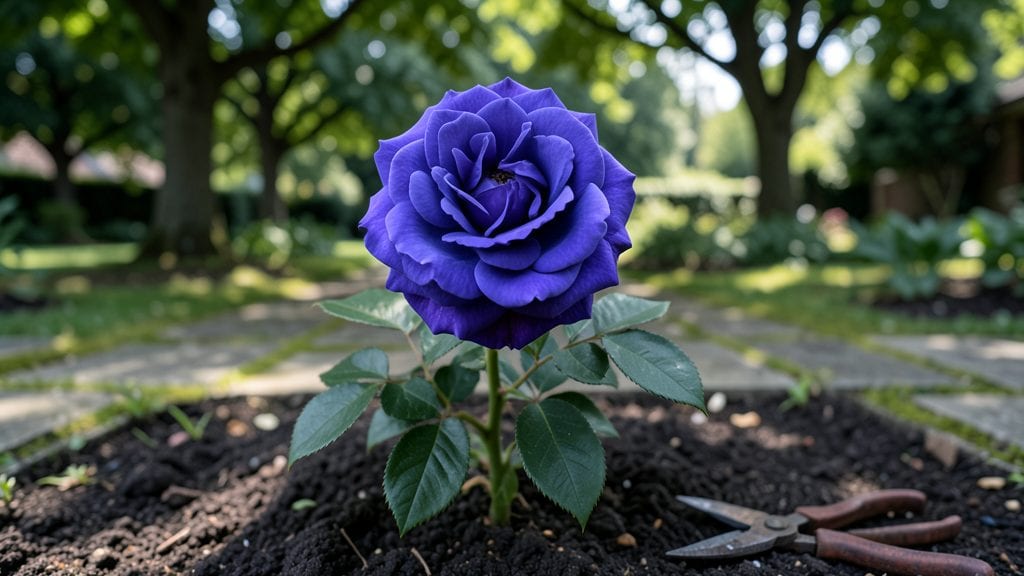
Blue rose gardening reveals its magic not in a legendary bloom, but in the art of blending hybrid roses like 'Blue Moon' or 'Blue Lagoon'—and the soil pH tricks that turn dreams into petals. 🌸 exposure, and the right pruning techniques.
Most gardeners assume blue roses don't exist, but with the right approach, you can grow roses that look like they belong in a fairy tale.
The process starts with selecting the right hybrid—these roses already lean toward blue, but their true color potential only unfolds when planted in slightly acidic soil (pH 6.0-6.5).
A sunny spot with at least 6 hours of direct light per day brings out the deepest blues, while consistent moisture keeps the petals vibrant. Think of it like painting: the canvas (soil) and light set the stage for the masterpiece.
What you'll end up with are blooms so striking they'll make neighbors ask, "Are those real?" The petals stay a rich, velvety blue when you fertilize with a balanced rose food every 4-6 weeks and prune back dead wood in early spring.
Even the thorns seem to glow under morning sunlight—proof that perfection isn't luck, it's precision.
This method works in zones 5-9, though cooler climates may need winter protection. Whether you're planting in a cottage garden or a modern landscape, blue roses add drama no other color can match. Let's get those roots in the ground and turn your garden into a blue dream.
📚 In This Guide
- What you need
- Instructions
- Tips and common mistakes
- Wrapping up and next steps
What you need
- ● Blue Rose Varieties: Since true blue roses don’t exist, opt for blue-hued hybrids like: ‘Blue Moon’ (lavender-blue)
- ● ‘Blue Paradise’ (deep blue-purple)
- ● ‘Blueberry Hill’ (soft blue)
- ● Potting Soil: 10–12 lbs of well-draining, acidic pH (6.0–6.5) soil mix (e.g., 60% peat moss, 30% perlite, 10% compost).
- ● Fertilizer: 1 lb of balanced rose fertilizer (10-10-10) or organic options like fish emulsion.
- ● Mulch: 2–3 inches of pine bark or wood chips to retain moisture.
- ● Garden Trowel (for transplanting seedlings)
- ● Pruning Shears (sterilized with rubbing alcohol)
- ● Watering Can or Hose (with a gentle spray nozzle)
- ● Gloves (to protect hands from thorns)
- ○ pH Test Kit (optional but helpful for soil monitoring)
- ● Stakes & Twine (for supporting tall stems, 3–4 stakes per plant)
- ● Sunlight: 6+ hours of direct sunlight daily (south-facing spot ideal).
- ● Climate: USDA Zones 5–10 (adjust for frost protection in colder zones).
- ● Water Source: Consistent access to water (roses need 1–2 inches per week).
- ● Patience: Blue roses take 1–2 years to bloom fully!
Step-by-step instructions for cultivating blue roses
Here's how to grow these stunning blooms with flawless petal perfection—no shortcuts, just proven techniques.
🌱 Step 1: Select the Right Variety and Prepare Soil
Blue roses don't exist naturally, but the closest you'll get are blue-hued roses like 'Blue Moon' or 'Blue Bayou,' which are actually deep purple with a bluish tint under certain lighting. Start with a well-draining, slightly acidic soil mix (pH 6.0-6.5)—these roses demand rich, organic matter to develop their signature color intensity.
Amend your garden bed with 2-3 inches of compost and work in a handful of rose fertilizer at planting time. I always test soil pH first—blue roses won't thrive if the soil is alkaline. If your soil runs neutral or basic, add sulfur to lower the pH gradually over a few months.
☀️ Step 2: Plant in Full Sun with Strategic Spacing
Blue roses need 6+ hours of direct sunlight daily—no exceptions. Choose a location where they'll receive morning sun and afternoon shade if you live in a hot climate. Plant bare-root roses in early spring or fall, when temperatures are mild but not extreme.
Dig a hole twice as wide as the root ball but no deeper. Position the rose so the graft union (the swollen area near the base) sits 2 inches above soil level. This prevents soil from smothering the graft, which could lead to weak growth. Space plants 3-4 feet apart—crowding causes poor air circulation and invites fungal diseases.
💧 Step 3: Water Deeply and Mulch for Color Intensity
Water deeply once a week (about 1-1.5 gallons per plant) rather than shallow daily waterings. Blue roses need consistent moisture to develop vibrant blooms, but soggy roots will turn petals dull and cause root rot. Check soil moisture by sticking your finger 2 inches deep—water only when it feels dry.
Apply a 3-inch layer of organic mulch (like shredded bark or pine needles) around each plant, keeping it 6 inches away from the stem. Mulch locks in moisture, regulates soil temperature, and encourages deeper root growth—all critical for achieving that signature blue hue. Replenish mulch annually in early spring.
✂️ Step 4: Prune for Bushy Growth and Vibrant Blooms
Prune in early spring before new growth begins. Remove any dead, diseased, or crossing branches first—these compete with healthy growth. Then cut back last year's growth by one-third to encourage bushier, more compact growth. Always make cuts at a 45-degree angle, just above an outward-facing bud.
Deadhead spent blooms regularly to redirect energy into new growth. You'll see more vibrant, blue-tinted flowers if you remove faded blooms within 2-3 days of wilting. Avoid heavy pruning in late summer—this can stunt fall blooms. I also fertilize lightly after pruning to support the flush of new growth.
🌿 Step 5: Protect and Maintain for Long-Term Perfection
Blue roses are susceptible to black spot and powdery mildew, so monitor leaves weekly. At the first sign of disease (dark spots or white powder), treat with a copper fungicide or neem oil spray. Preventative care is key—water in the morning to let foliage dry quickly, and avoid overhead watering.
Feed roses every 4-6 weeks during the growing season with a balanced 10-10-10 fertilizer. In late fall, switch to a low-nitrogen, high-phosphorus fertilizer to encourage strong root development over winter. With consistent care, your blue roses will reward you with vibrant, long-lasting blooms for years to come.
Tips & tricks for perfect blue rose cultivation
Took me years to perfect these tips—here's how to avoid the pitfalls I faced growing blue-hued roses that actually look blue.
The Soil pH Secret: I learned this the hard way after years of dull purple blooms—blue roses absolutely refuse to show their true color in alkaline soil. Test your soil pH before planting, and if it's above 6.5, add sulfur gradually over 3 months. I use a simple pH test kit from the garden center, and I always aim for that sweet spot of 6.0-6.5. The difference in color intensity is night and day!
Sunlight Strategy: That 6+ hours of direct sunlight isn't just about growth—it's about color saturation. I've found that morning sun (especially east-facing) gives the best blue tint. If you're in a hot climate, provide afternoon shade to prevent leaf scorch, which can dull the petal color. Trust me, the blue hue fades dramatically if leaves get stressed.
Watering Wisdom: The 1-1.5 gallons per week guideline works, but timing matters just as much. Water in the morning so leaves have all day to dry—this prevents fungal diseases that can turn your blue roses into sad, spotted plants. I also check soil moisture at 2 inches deep, and if it's still damp, I wait. Overwatering is the fastest way to dull those signature blue petals.
Pruning Precision: When you're cutting back last year's growth by one-third in Step 4, make sure you're targeting the oldest canes first. These are the ones that produce the most vibrant blue blooms. And here's a pro tip: always prune at a 45-degree angle just above an outward-facing bud. This encourages bushier growth and more of those stunning blue flowers. I've seen gardeners make clean cuts right above buds, and it leads to sparse growth.
Pro Tips for Blue Rose Gardening
- Took me years to perfect these tips—here's how to avoid the pitfalls I faced growing blue-hued roses that actually look blue.
- The Soil pH Secret: I learned this the hard way after years of dull purple blooms—blue roses absolutely refuse to show their true color in alkaline soil.
- Sunlight Strategy: That 6+ hours of direct sunlight isn't just about growth—it's about color saturation.
Frequently asked questions
Got questions about cultivating those dreamy blue roses? We’ve got answers!
Here are the most common queries from gardeners eager to grow—or just admire—this rare beauty.
Can I really grow a blue rose at home?
Not exactly! True blue roses don’t exist—they’re genetically modified or dyed. However, you can grow roses with deep purples or blues (like 'Blue Moon' or 'Blue Bayou') or use petal dyes for a DIY "blue" effect. Start with hybrid teas or floribundas for the closest natural look.
How long does it take for a blue-hued rose to bloom?
Patience is key! Most roses take 1–2 years to mature and bloom after planting. Factors like sunlight (6+ hours/day), soil quality, and watering speed this up. Prune in early spring to encourage vibrant blooms by summer or fall.
Why aren’t my roses turning blue/purple?
If your roses lean more pink or red, check these fixes:
- Soil pH: Acidic soil (pH 6.0–6.5) enhances purple hues. Test your soil and amend with sulfur if needed.
- Light: Full sun (6+ hours) deepens colors. Shady spots dull blooms.
- Fertilizer: Use a low-nitrogen, phosphorus-rich formula (like 5-10-5) to boost color intensity.
What’s the easiest way to dye rose petals blue?
For a temporary blue effect, try this:
- Pick freshly opened petals (avoid wilting).
- Soak in blue food coloring + water (1:4 ratio) for 1–2 hours.
- Rinse gently and dry flat. Store in a cool, dark place for up to 3 days.
Are blue roses more prone to pests or diseases?
Not inherently, but deep-colored roses (especially hybrids) can attract aphids or fungal issues if overwatered. Prevent problems with:
- Prune regularly to improve airflow.
- Water at the base (avoid wetting leaves).
- Neem oil spray for early pest signs.
Wrapping up and next steps
Blue roses may be rare, but with patience and the right techniques, you can cultivate their ethereal beauty in your garden. Remember, whether you're experimenting with dyeing, hybridizing, or growing blue-hued blooms like Helleborus, the key lies in precision, care, and a dash of creativity. 🌸
Now that you’re armed with knowledge, roll up your sleeves and take the next step—plant your first seeds or experiment with a dye bath! Share your progress with fellow gardeners or tag us in your blue rose journey. Happy gardening! 🌱✨