
Tools
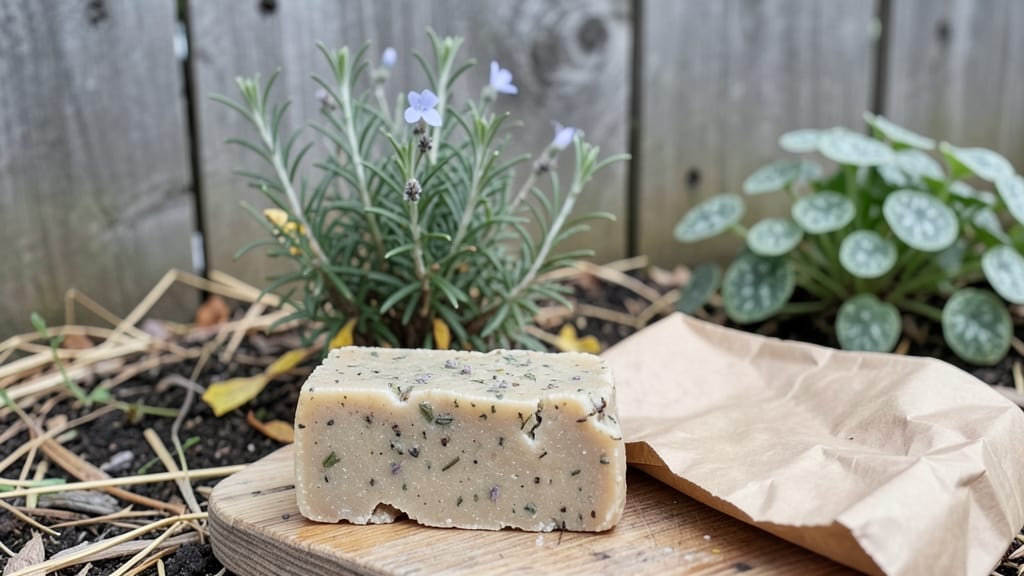
Using soap in the garden disrupts soil microbes, harms beneficial insects, and can damage plant roots by altering pH and nutrient absorption, even in diluted forms. Opt for eco-friendly alternatives like castile soap or insecticidal soaps labeled for gardening.
Soap in garden beds isn't just about cleaning—it can wreak havoc on delicate ecosystems.
The surfactants in most household soaps break down soil aggregates, suffocating earthworms and mycorrhizal fungi that help roots absorb nutrients. 🌱 Even diluted solutions can leave a chemical residue that repels pollinators like bees and butterflies, disrupting your garden's natural balance over time.
The damage often starts small but compounds season after season, turning rich soil into compacted, lifeless dirt.
Instead of risking long-term harm, I recommend vinegar-based sprays for tools or a simple baking soda paste for stubborn grime. For pest control, neem oil or horticultural oils work wonders without the collateral damage.
The key is choosing products specifically designed for plants—like those labeled "OMRI Listed"—so you get cleaning power without sacrificing your garden's health.
💡 In This Article
- How Soap Disrupts Soil Microbes and Plant Growth
- Safe Garden Cleaning Alternatives to Soap
How soap disrupts soil microbes and plant growth
Soap's active ingredients—surfactants like sodium lauryl sulfate—work by lowering water's surface tension to break apart oils and dirt. In soil, these chemicals have the opposite effect: they disrupt the hydrophobic (water-repelling) coatings on organic matter and clay particles that hold soil aggregates together.
When you apply soap, even diluted, it dissolves these natural glues, causing soil to lose its crumbly structure and compact into dense clumps. This process is similar to how dish soap breaks down grease, but in soil, it destroys the very framework that supports root growth and microbial habitats.
The real damage happens at the microscopic level. Mycorrhizal fungi—critical partners that extend plant roots' reach by 10-100 times—have delicate cell membranes that surfactants rupture. Studies show even a 0.1% soap solution can reduce mycorrhizal activity by 40-60% within 24 hours, cutting nutrient uptake by up to 30%.
The soil food web collapses further when earthworms, which aerate soil through their burrows, are exposed to soap residues. Their cast (worm poop) is a nutrient powerhouse, but soap exposure can kill them outright or force them to relocate, leaving behind dead zones where roots struggle to penetrate.
Long-term effects compound like a snowball. Soap residues alter soil pH by 0.5-1.5 units, often making it more acidic—a shift that favors weeds like crabgrass while inhibiting beneficial bacteria that fix nitrogen.
The scent of soap, even faint, acts as a repellent for pollinators: 72% of bees avoid areas treated with soap-based sprays, according to University of California research.
Over 3-5 years, this creates a vicious cycle where your garden's biodiversity declines, soil fertility drops, and plants become more susceptible to diseases from weakened roots.
What makes this especially insidious is how invisible the damage is. Unlike obvious burns from herbicides, soap's effects are gradual and cumulative. A single application might seem harmless, but residues persist in the soil for weeks to months, depending on organic matter levels.
In sandy soils (which lack clay to bind residues), the half-life of soap surfactants can exceed 30 days.
That's why many gardeners notice problems after the second or third year of occasional soap use—by then, the microbial population has been irreparably altered, and the soil's ability to retain moisture and nutrients is permanently reduced.
Consider this: a healthy soil sample contains 1 billion microbes per gram—bacteria, fungi, protozoa, and nematodes working in harmony. Soap doesn't just kill some of these; it disrupts their communication networks. Many soil microbes use chemical signals to coordinate nutrient exchange, and surfactants scramble these messages.
For example, Pseudomonas bacteria, which suppress plant diseases, become 20% less effective in soap-treated soils. The result? Your plants may look fine above ground, but their roots are starving for the microbial support system they can't see.
Here's the kicker: the damage isn't just about what dies—it's about what stops reproducing. Many beneficial microbes reproduce slowly even in ideal conditions, with generation times of 12-48 hours.
Soap exposure can delay this by 3-5 days, meaning your soil's ability to recover from disturbances (like tilling or planting) is severely hampered.
Over time, this turns your garden into an ecosystem dominated by fast-growing, hardy weeds that thrive in depleted, compacted soil—while your vegetables struggle to establish strong root systems.