Tools
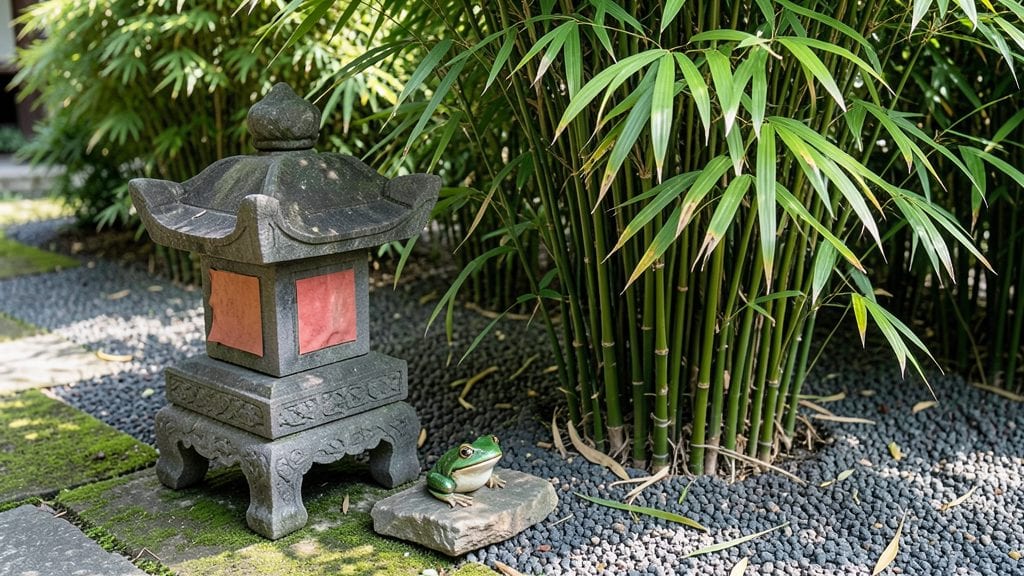
A Chinese backyard garden transforms even a small urban space into a serene retreat where nature and culture blend seamlessly. 🌿 The key lies in balancing symbolic plants like bamboo for growth and orchids for elegance, paired with flowing water features and winding stone paths that invite contemplation.
Unlike traditional Western gardens, these spaces prioritize harmony over rigid structure—think layered textures, soft curves, and elements that reflect yin-yang balance.
You don’t need acres to create this effect; a 10x15-foot patio can become a tranquil oasis with the right layout. Start with a central focal point—a small pond or bonsai tree—surrounded by low-maintenance plants like hostas and azaleas.
Add 3-5 stone stepping stones to guide movement naturally, and incorporate traditional lanterns or red accents for cultural depth. The result is a space that feels intentional yet effortless, thriving year-round with minimal upkeep.
The real magic happens in the details: fragrant jasmine vines climbing a trellis, a curved wooden bench tucked near a water feature, and even a tiny moon gate to frame a corner.
These elements don’t just decorate—they create a narrative, inviting you to pause and connect with nature’s rhythms. The garden becomes a living poem, where every plant and path tells a story.
Whether you’re working with a balcony, courtyard, or backyard, the principles adapt easily. Urban gardeners can use vertical space for bonsai displays, while rural plots benefit from expanded water features or larger stone arrangements.
The goal isn’t perfection—it’s harmony, and that’s something any space can achieve with thoughtful design.
📚 In This Guide
- What you need
- Instructions
- Tips and common mistakes
- Wrapping up and next steps
What you need
- ● Soil: 5–10 bags (2 cubic feet each) of high-quality loamy garden soil (pH 6.0–7.5) or a mix of topsoil and compost (50/50 ratio).
- ● Plants: 5–10 bamboo plants (running or clumping, depending on space).
- ● 3–5 ornamental grasses (e.g., Miscanthus or Fountain Grass).
- ● 2–3 Chinese evergreens (e.g., Nandina domestica or Pieris japonica).
- ● 1–2 bonsai trees (pre-potted, 1–3 years old).
- ○ Water Features (Optional but Recommended): Small pond liner (10–20 sq. ft., 30-mil thickness).
- ● 1–2 koi or goldfish (if adding a pond).
- ● Mini water pump (300–500 GPH) for fountains.
- ● Hardware: Gravel or pebbles (5–10 lbs for pathways or pond edges).
- ● Decorative stones or lanterns (3–5 pieces for aesthetic touches).
- ● Basic garden stakes (6–10 stakes, 18–24 inches long).
- ● Garden trowel (for planting).
- ● Pruning shears (sharp, for trimming).
- ● Wheelbarrow (for moving soil/plants).
- ● Rake (for leveling soil).
- ● Gloves (durable, for protection).
- ● Watering can or hose (with adjustable nozzle).
- ● Measuring tape (for layout planning).
- ● Sunlight: At least 4–6 hours of direct sun (partial shade works for some plants).
- ● Space: Minimum 10x10 ft area (expandable for larger designs).
- ● Drainage: Ensure your yard has good drainage (avoid low-lying spots).
- ● Local Regulations: Check for restrictions on ponds or tall plants (e.g., bamboo roots).
Step-by-Step instructions for designing a low-maintenance Chinese-inspired backyard garden
Transform your space into a tranquil retreat with this fuss-free approach to Chinese garden design.
🪴 Step 1: Divide Space Into Functional Zones
Begin by sketching your yard layout, dividing it into four key zones: a water feature area (even a small pond or bubbling stone fountain), a seating nook with curved benches, a planting quadrant for foliage and flowers, and a pathway corridor for movement. Traditional Chinese gardens emphasize balance, so allocate roughly 25% of space to water, 30% to plants, 20% to paths, and 25% to open areas for visual breathing room.
Use natural elements like rocks or boulders to demarcate zones organically. I like to place a large flat stone as a visual anchor between sections—it grounds the space while keeping the design fluid. Measure each zone carefully; proportions matter in Chinese aesthetics, and asymmetry is intentional here. For example, if your yard is 10 feet wide, allocate 2.5 feet to water, 3 feet to plants, and so on.
💧 Step 2: Install Water Features and Pathways
For the water feature, use the 10-gallon pond liner to create a shallow basin no deeper than 6 inches—this mimics natural wetlands and attracts beneficial wildlife like dragonflies. Place smooth river stones around the edges to soften the transition from water to land. A small recirculating pump (not listed but recommended) will keep the water moving gently; stagnant water disrupts the serene vibe.
Construct pathways with 2 inches of compacted gravel over a 1-inch layer of coarse sand for drainage. Bend the paths slightly to encourage winding movement, which is central to Chinese garden philosophy. Use flagstone pavers spaced 3-4 inches apart to allow grass or moss to grow between them naturally. Test the pathway by walking along it—it should feel firm underfoot but not rigid.
☀️ Step 3: Plant Layered Foliage and Flowers
Start with evergreen shrubs like boxwood or juniper as your foundational layer—they provide structure year-round. Place them 3-4 feet apart to allow airflow and prevent disease. Next, add medium-height plants such as azaleas or hydrangeas in clusters of three, spaced 2 feet apart, to create visual depth. Finally, fill gaps with low-growing perennials like hostas or ferns, which thrive in partial shade and add texture.
Incorporate ornamental grasses like bamboo or fountain grass near the water feature—their movement mimics natural breezes and adds dynamic interest. For flowers, choose late-blooming varieties like chrysanthemums or peonies to extend seasonal color. Avoid overcrowding; Chinese gardens favor an airy, uncluttered look. Step back frequently to check for balance—if one side feels heavier, add a mirror or reflective surface to create harmony.
✂️ Step 4: Add Feng Shui Elements for Harmony
Place a small statue or sculpture (like a stone lion or ceramic frog) near the entrance to invite positive energy. In Chinese gardens, these figures act as guardians and should face outward to protect the space. Position a curved bench along the water’s edge—its shape encourages relaxation and conversation. Use lanterns or solar-powered lights to highlight key features at dusk, as Chinese gardens are designed to be enjoyed in all lighting conditions.
Incorporate natural materials like driftwood or weathered branches to enhance the organic feel. Hang a wind chime made of bamboo or metal near the seating area—its sound masks urban noise and aligns with the principle of yin-yang balance. Test the space at different times of day; the interplay of light and shadow should feel intentional, not random.
🌿 Step 5: Maintain with Seasonal Care
Prune overgrown branches in early spring before new growth appears, and fertilize with compost tea every 4-6 weeks to keep plants vibrant. Mulch with 2 inches of shredded bark annually to retain moisture and suppress weeds—this mimics the forest floor and reduces maintenance. In fall, add evergreen boughs to containers or along pathways for winter interest, as Chinese gardens often include elements that bridge seasons.
Water deeply twice weekly in dry spells, focusing on the root zones of plants. Avoid wetting foliage to prevent fungal issues. Once established, most plants in this design will thrive with minimal intervention. The key is observation: if leaves yellow, it’s often a sign of overwatering; if they curl, it may indicate underwatering. Adjust based on what you see, not a rigid schedule.
Tips & tricks for perfect Chinese-inspired backyard gardens
Here's what I've learned from designing these tranquil spaces—details that make all the difference between a so-so yard and a breathtaking retreat.
The Proportion Secret: When allocating your 25% water, 30% plants, 20% paths, and 25% open space in Step 1, use a simple trick: sketch your layout on graph paper where each square represents 1 foot. This visual scale helps you see proportions clearly before digging. I've found that even small yards (like my 10×12-foot space) look balanced when you can actually visualize these ratios on paper first. The key is maintaining that 3:4:2:3 ratio between zones—it creates that signature Chinese garden harmony without needing perfect symmetry.
Water Feature Wisdom: For your 10-gallon pond liner in Step 2, here's a game-changer: place a few small submersible LED lights (battery-operated) in the water before adding stones. The gentle illumination at night transforms the space into a magical retreat—something I only discovered after my first garden went completely unnoticed after dark. The lights create subtle movement reflections that mimic fireflies, which is pure serendipity for Chinese garden aesthetics. Just be sure to use solar-powered or low-voltage lights to maintain that natural feel.
Planting Layer Technique: In Step 3, when arranging your evergreen shrubs 3-4 feet apart and medium-height plants in clusters of three, here's the professional trick: start with the tallest plants first, then work your way down to the lowest. This creates that perfect layered look where each plant has its own "stage." I also recommend planting your ornamental grasses near the water's edge—their natural movement creates visual rhythm that draws the eye through the space. And here's a secret about those late-blooming chrysanthemums: plant them slightly closer to the water feature (about 18 inches from the edge) where they'll get that perfect balance of moisture and sunlight.
Feng Shui Fine-Tuning: When positioning your guardian statue in Step 4, remember this critical detail: the figure should face away from your home to "protect" the space rather than facing inward. I learned this the hard way when my first garden's lion statue faced my back door—it created an unintended "blocking" energy. Also, for that curved bench along the water's edge, use a flexible garden hose to trace the curve before cutting the pavers. This ensures smooth, flowing lines that encourage natural conversation patterns. The bench should be just wide enough for two people to sit comfortably with their shoulders touching—this subtle detail makes the space feel more intimate.
Pro Tips for Chinese Backyard Garden
- Here's what I've learned from designing these tranquil spaces—details that make all the difference between a so-so yard and a breathtaking retreat.
- The Proportion Secret: When allocating your 25% water, 30% plants, 20% paths, and 25% open space in Step 1, use a simple trick: sketch your layout on graph paper where each square represents 1 foot.
- Water Feature Wisdom: For your 10-gallon pond liner in Step 2, here's a game-changer: place a few small submersible LED lights (battery-operated) in the water before adding stones.
Frequently asked questions
Got questions about creating your own Chinese backyard garden? You’re not alone! Here are some of the most common queries—plus straightforward answers to help you get started with confidence.
What plants are easiest to grow in a Chinese-inspired backyard garden?
Aim for low-maintenance, drought-tolerant plants that thrive in traditional Chinese garden aesthetics. Bamboo (for privacy and elegance), orchids (symbolizing prosperity), hostas (shade-friendly), and Chinese lantern plants (vibrant blooms) are fantastic starters. Herbs like mint or basil also fit well and offer practical benefits!
How long does it take to see results in a Chinese backyard garden?
Patience is key! Fast-growing plants like bamboo or sunflowers may show progress in weeks, while trees or shrubs could take months to years. A well-planned layout with mulch and compost speeds up growth. Expect noticeable lushness within 3–6 months if you maintain consistent care.
Is a Chinese backyard garden expensive to maintain?
Not necessarily! Start small with affordable staples: recycled containers, seeds (cheaper than seedlings), and mulch from local suppliers. Prioritize perennials (they return yearly) and repurpose materials like rocks or driftwood for decor. Long-term costs drop once your garden matures—just focus on watering and pruning!
How do I handle drought or extreme weather in my garden?
Chinese gardens often incorporate water-wise designs. Use drip irrigation for efficiency, layer mulch to retain moisture, and choose native plants. For heatwaves, water deeply in the morning to reduce evaporation. In frost, protect tender plants with burlap wraps or move potted plants indoors temporarily.
Can I create a Chinese backyard garden in a small space, like a balcony?
Opt for vertical gardening—use trellises for climbing plants like jasmine or wisteria, and choose compact varieties such as bonsai trees or dwarf orchids. Even a windowsill herb garden can embody Chinese principles with the right layout. Minimalism is a core theme—focus on harmony, not size!
Wrapping up and next steps
Creating a Chinese backyard garden is more than just a hobby—it’s a rewarding journey that brings harmony, beauty, and freshness to your space with minimal effort!
Whether you’re drawn to the serene elegance of traditional designs or the practicality of low-maintenance layouts, these ideas prove that lush greenery is always within reach. 🌿
Ready to transform your outdoor space? Start small—pick one feature from this guide, gather your materials, and begin planting today. Before you know it, your backyard will be a thriving oasis that reflects both nature’s grace and your personal touch. Happy gardening! 🌱✨