
How To
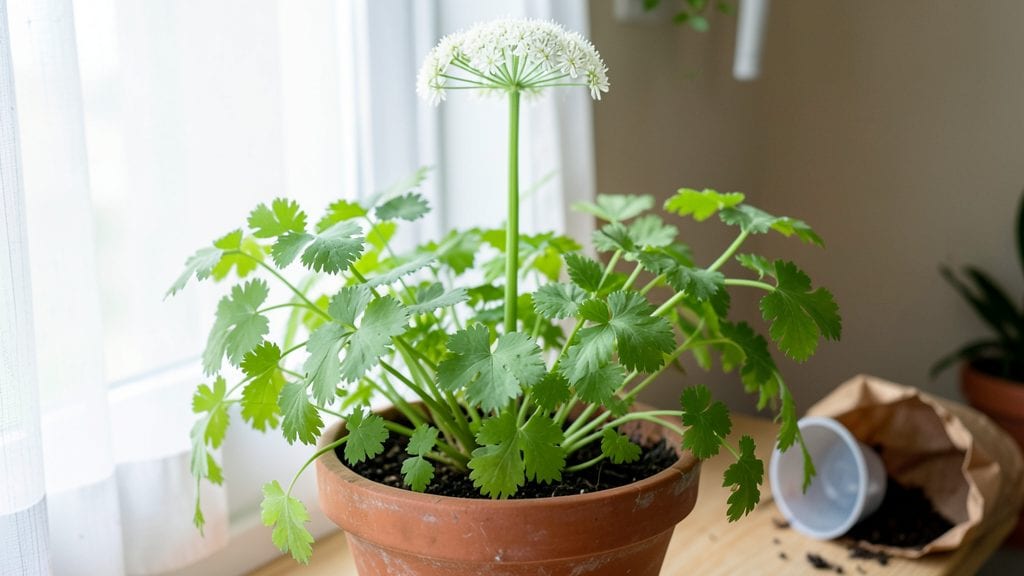
Master these cilantro gardening tips to turn your kitchen into a fresh herb powerhouse in weeks—just don’t let its finicky nature (bolting, wilting) catch you off guard.
Start with cool soil, consistent moisture, and shade from midday sun, and you’ll have vibrant leaves ready for tacos and salads in no time.
The secret lies in patience and precision: sow seeds every 2-3 weeks for continuous harvests, keep soil moist but not soggy, and snip leaves rather than pulling whole stems to encourage bushier growth.
Even in small pots on a windowsill, cilantro thrives when treated like the delicate annual it is—no heat, no drought, just steady care.
📚 In This Guide
- What you need
- Instructions
- Tips and common mistakes
- Wrapping up and next steps
What you need
- ● Cilantro seeds: ½ teaspoon (about 100-150 seeds) for a small container or 1 teaspoon (200-300 seeds) for a larger bed.
- ● Potting soil: 1-2 gallons of well-draining, organic potting mix (or garden soil amended with compost).
- ● Containers or garden bed: For containers: 6-inch pots (minimum depth of 6 inches) or a shallow tray for sprouting.
- ● For in-ground: A sunny spot with loose, fertile soil (full sun to partial shade, 4-6 hours of sunlight daily).
- ● Watering can or spray bottle: With a fine mist setting for gentle hydration.
- ○ Fertilizer (optional but helpful): A balanced, organic fertilizer (e.g., 5-5-5 or compost tea) for nutrient boost.
- ○ Gloves (optional): To protect your hands from soil and prickly stems.
- ● Trowel or small hand shovel: For planting seeds or transplanting seedlings.
- ● Spray bottle or hose with adjustable nozzle: For precise watering.
- ○ Pruning shears (optional): To harvest stems cleanly and encourage bushier growth.
- ○ Row covers or mesh (optional): To deter pests like aphids or spider mites.
- ● Climate: Cilantro thrives in cool weather (ideal temps: 50–75°F). Avoid planting in extreme heat (above 80°F).
- ● Sunlight: Confirm your growing spot gets at least 4-6 hours of sunlight daily.
- ● Time commitment: 10-15 minutes daily for watering and occasional checks for pests.
Step-by-Step instructions for growing bold cilantro plants
Here's how to coax fast, flavorful cilantro that thrives without bolting or attracting pests.
Choose the Perfect Planting Location
Cilantro thrives in cool weather and partial shade, which prevents it from bolting too quickly. Select a spot that gets 4-6 hours of morning sun and gentle afternoon shade—especially in warmer climates. If growing in containers, place them where they'll receive bright, indirect light for most of the day. I've found that east-facing windowsills or lightly shaded garden beds work best for consistent growth.
Test your spot by observing how much direct sunlight it receives. If leaves start yellowing or plants grow leggy, they're getting too much sun. Cilantro prefers temperatures between 50-75°F—if your area regularly exceeds 80°F, consider growing it in spring or fall instead of summer. This simple adjustment keeps your plants lush and productive for weeks.
Prepare Soil and Plant Seeds
Use well-draining soil with a pH between 6.2 and 6.8—cilantro prefers slightly acidic conditions. If planting in the ground, loosen the soil to a depth of 6 inches and mix in 2 inches of compost to enrich it. For containers, fill them with 4 inches of potting mix and add a handful of compost to each pot. This ensures your cilantro gets the nutrients it needs without becoming waterlogged.
Sow seeds ¼ inch deep, spacing them 6 inches apart in rows that are 12 inches apart. I like to plant cilantro in small clusters rather than single rows—this makes harvesting easier and encourages bushier growth. Water the soil lightly after planting to settle the seeds in place, but avoid soaking it. Overwatering at this stage can cause seeds to rot before they sprout.
Water and Maintain Consistent Moisture
Keep the soil evenly moist but never soggy—cilantro roots are sensitive to both drought and waterlogging. Water deeply once every 2-3 days, checking the top inch of soil before adding more. If the soil feels dry to the touch, it's time to water. I use a watering can with a fine rose to avoid disturbing the seedlings, and I water at the base of the plants rather than overhead.
Mulch around the plants with 1 inch of straw or shredded leaves to retain moisture and suppress weeds. This also keeps the soil temperature stable, which helps prevent bolting. If you notice the leaves curling or wilting, it’s a sign of uneven moisture—adjust your watering schedule to keep the soil consistently damp but not wet.
Fertilize and Protect from Pests
Feed cilantro with a balanced, water-soluble fertilizer diluted to half strength every 3-4 weeks once the plants are established. I use a 10-10-10 formula because it provides a gentle boost without overwhelming the plants. Avoid high-nitrogen fertilizers, which can cause rapid leaf growth at the expense of flavor. Instead, focus on a balanced approach to keep your cilantro healthy and productive.
Watch for common pests like aphids and spider mites, which love cilantro’s tender leaves. If you spot any, spray the plants with a neem oil solution (1 tablespoon per quart of water) or introduce beneficial insects like ladybugs. I also like to inspect the undersides of leaves regularly—this is where pests often hide. Early intervention keeps your cilantro thriving without resorting to harsh chemicals.
Harvest and Encourage Regrowth
Start harvesting cilantro when the plants reach 6-8 inches tall, cutting the outer leaves first to encourage new growth. Use clean scissors or shears to snip just above a leaf node—this prevents the plant from looking ragged and promotes bushier regrowth. I harvest cilantro every 7-10 days to keep it productive, and I always harvest in the morning when the oils in the leaves are at their peak.
If your cilantro starts to bolt (sending up tall flower stalks), don’t panic—you can still use the leaves before the seeds form. To delay bolting, keep the soil consistently moist and avoid letting the plants dry out. If you’re growing cilantro in hot weather, consider succession planting—sow new seeds every 2-3 weeks to ensure a steady supply of fresh leaves throughout the season.
Tips & tricks for growing bold cilantro plants
Here's what I've learned after growing cilantro for years—these tricks will help you avoid common pitfalls and keep your plants thriving.
Location Matters More Than You Think: The 4-6 hours of morning sun in Step 1 is crucial, but timing matters just as much. Plant cilantro in late summer or early fall to avoid the peak heat of summer. I've found that cilantro planted in August often bolts by September, while the same seeds planted in October thrive through November. If you must plant in summer, use shade cloth to reduce sunlight exposure to just 3-4 hours during the hottest months.
Soil Science That Works: That pH range of 6.2-6.8 in Step 2 is important, but don't stop at just compost. Add a handful of worm castings to your planting mix—they provide gentle, natural nutrients that won't burn tender cilantro roots. I've noticed plants grown with worm castings develop deeper green leaves and more robust stems. For containers, mix in a small amount of perlite to improve drainage, which prevents the waterlogging that causes root rot.
Watering Wisdom: The 2-3 day watering schedule in Step 3 can be tricky—especially in containers which dry out faster. I've developed a simple test: stick your finger about an inch into the soil. If it feels dry, it's time to water. For garden beds, morning watering is best as it gives leaves time to dry before evening, reducing fungal risks. In containers, I water in the evening to help maintain moisture overnight, but always ensure good drainage to prevent soggy roots.
Harvesting Hack: When you reach the 6-8 inch harvest height in Step 5, here's my secret: harvest leaves in the morning when they're most flavorful and firm. Use clean, sharp scissors and cut just above a leaf node—this encourages new growth from that node. I've found that harvesting every 7 days rather than 10 gives me a more consistent supply of fresh leaves, and it prevents the plant from getting too leggy between harvests.
Pro Tips for Cilantro Gardening Tips
- Here's what I've learned after growing cilantro for years—these tricks will help you avoid common pitfalls and keep your plants thriving.
- Location Matters More Than You Think: The 4-6 hours of morning sun in Step 1 is crucial, but timing matters just as much.
- Soil Science That Works: That pH range of 6.2-6.8 in Step 2 is important, but don't stop at just compost.
Frequently asked questions
Got questions about growing cilantro like a pro?
You’re not alone—this fragrant herb can be tricky! Here are answers to the most common cilantro gardening dilemmas to keep your plants thriving.
When is the best time to plant cilantro?
Cilantro thrives in cool weather—aim for spring or fall, about 2–3 weeks before your last frost date. In warm climates, plant it in late summer for a winter harvest. Avoid planting during peak summer heat (above 80°F/27°C), as it’ll bolt quickly. Pro tip: Use shade cloth if growing in hotter months!
How long does it take for cilantro to grow?
From seed to harvest, cilantro typically takes 6–8 weeks for full growth. You can start harvesting leaves in 3–4 weeks once they’re 3–4 inches tall. For a continuous supply, sow seeds every 2–3 weeks. Watch out: If it flowers (bolts), harvest the stems and leaves before seeds form—they taste soapy!
What pests or diseases should I watch for?
Cilantro attracts aphids, spider mites, and flea beetles. Early signs include chewed leaves or sticky residue. Combat pests with neem oil or insecticidal soap. For diseases, ensure good airflow and avoid overhead watering to prevent fungal issues like powdery mildew. Prevention tip: Rotate crops yearly to reduce soil-borne problems.
Can I grow cilantro indoors?
Use a sunny windowsill (6+ hours of light) or a grow light. A 6-inch pot with well-draining soil works well. Keep the soil moist but not soggy, and rotate the pot weekly for even growth. Bonus: Indoor cilantro grows slower—harvest gently to encourage bushier plants!
What can I do if my cilantro bolts?
Bolting (flowering prematurely) happens when cilantro gets too hot or stressed. If it bolts, harvest the stems and leaves immediately—they’re still edible! To prevent bolting, plant in partial shade, keep soil consistently moist, and choose slow-bolting varieties like ‘Calypso’ or ‘Santo.’ Fun fact: The seeds (coriander) are a tasty alternative!
Wrapping up and next steps
Growing your own cilantro is simpler than you think—just follow the right tips for bold growth and pest-free plants! Whether you’re a beginner or a seasoned gardener, these cilantro gardening tips will help you harvest fresh, flavorful leaves in no time. 🌱
Now that you’re armed with the knowledge, take the next step—grab your seeds, pick a sunny spot, and start planting! Share your progress with fellow gardeners or experiment with recipes using your homegrown cilantro. Happy growing! 🌿