
Advice
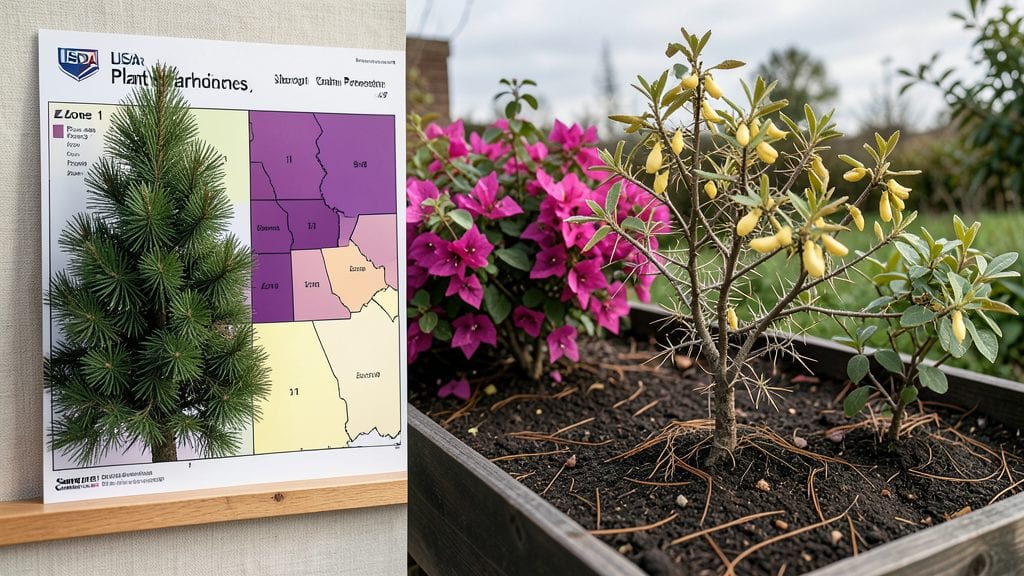
Climate zones gardening matches plants to your region's temperature, rainfall, and frost patterns for optimal growth. Start with USDA hardiness zones as your foundation, then fine-tune for microclimates like slopes or urban heat pockets.
Understanding your region's climate zones isn't just about picking plants that survive winter—it's about creating harmony between their natural needs and your local environment. 🌱 For example, a Zone 5 garden might thrive with hardy perennials like coneflowers, while a Zone 9 landscape could support citrus trees that would freeze in colder areas.
The key is layering knowledge: use zone maps as your starting point, then observe how sunlight, soil moisture, and wind patterns create microclimates even within small yards.
Many gardeners overlook how elevation or nearby water bodies can shift conditions dramatically. A south-facing wall might create a 5-degree warmer microclimate than the rest of your yard, allowing you to grow heat-loving plants like basil or tomatoes that wouldn't survive elsewhere in your zone.
The best approach combines official data with real-world observations—track your last frost date for three years to spot patterns that zone maps can't capture.
💡 In This Article
- How USDA Hardiness Zones Define Plant Survival
- Practical Steps to Identify Your Garden’s Exact Climate Needs
How USDA hardiness zones define plant survival
The USDA hardiness zone system organizes North America into 13 zones (1-13) based on the average annual minimum winter temperature. These zones reflect the coldest temperatures plants must endure, with Zone 1 experiencing -50°F to -40°F winters and Zone 13 seeing 60°F to 70°F minimums.
The system divides each zone into a and b subzones, representing a 10°F difference—critical for selecting plants with precise cold tolerance thresholds. 🌡️
Here's how it works: Plants have a hardiness range (e.g., Zone 5-8), meaning they can survive the coldest temperatures in those zones but may struggle outside them.
For example, blueberries thrive in Zones 3-7 because their buds can withstand -30°F without damage, while citrus trees in Zone 9 need protection from 25°F dips.
The science lies in plant cell membranes—cold-sensitive species like citrus can't produce enough protective sugars to prevent ice crystal formation in their cells during freezes.
Microclimates create exceptions by altering local temperature patterns. A south-facing slope might be 2-5°F warmer than surrounding areas due to sunlight exposure, allowing you to grow Zone 8 plants in a Zone 7 region. Similarly, urban heat islands (cities) can push temperatures up by 5-10°F compared to rural areas.
Water bodies also play a role—coastal zones often have milder winters due to ocean currents, while inland areas experience more extreme temperature swings. 🌊
Consider these zone-specific examples to understand the practical impact:
- Zone 3 (below -35°F): Cold-hardy plants like winter wheat and saskatoon berries thrive, while tropical species like avocados would perish instantly.
- Zone 7 (0-10°F): Ideal for peaches and roses, which need winter chilling but can't survive -15°F freezes.
- Zone 10 (30-40°F): Supports olives and bougainvillea, which require warm winters to produce fruit.
The zone system doesn't account for summer heat tolerance—some plants (like okra) need 90°F+ temperatures to thrive, while others (like lettuce) bolt in heat. This is why gardeners in Zone 9 might grow okra successfully but struggle with cool-season crops like spinach during summer months. The key is understanding both winter survival AND summer performance requirements. 🌡️
What most gardeners don't realize is that zone boundaries shift over time due to climate change. Since 1990, average temperatures have risen by 1.5°F in many regions, meaning some plants previously considered marginal for your zone may now thrive.
Always verify current zone maps (updated every 10 years) and consider 3-5 years of local weather data to account for these shifts. This layered approach ensures your garden aligns with both historical patterns and emerging climate trends.