
Tools
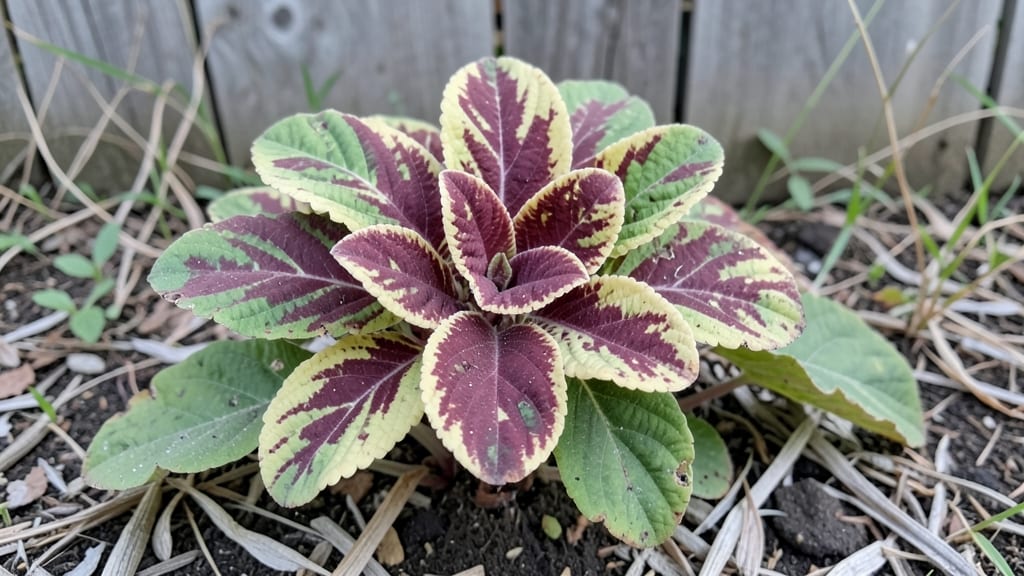
A coleus garden border transforms dull edges into a riot of color that lasts all season long—no deadheading, no fuss, just vibrant foliage that keeps giving. I planted mine last spring after years of struggling with high-maintenance borders, and now I can’t imagine my garden without them.
The key is choosing the right varieties with bold patterns and contrasting textures, then letting them spill over paths or frame flower beds naturally.
You’ll need just a few supplies: healthy coleus plugs, well-draining soil, and a sunny or partially shaded spot. I recommend spacing plants 12–18 inches apart for a lush, unbroken look—closer for a dense, formal edge or wider for a wild, informal spill.
Mix upright varieties like ‘Black Dragon’ with trailing types such as ‘Wagon Wheel’ to create movement and depth that catches the eye from every angle.
By mid-summer, your border will burst with jewel-toned leaves that shift as the light changes, offering zero-fuss color when annuals fade. The best part? Coleus thrives in heat and humidity, so it stays vibrant through summer’s peak—just trim back leggy growth in early fall to encourage bushier regrowth.
With the right placement, this border becomes the garden’s star without stealing the show from your prized blooms.
Works for both structured cottage gardens and relaxed prairie-style plantings—just adjust spacing and variety mix. The secret to keeping it looking fresh? A little pruning and occasional division every couple of years. Let’s get your edges popping!
📚 In This Guide
- What you need
- Instructions
- Tips and common mistakes
- Wrapping up and next steps
What you need
- ● Coleus plants: 12–24 plants (depending on border length; space 12–18 inches apart for full coverage). Choose varieties with bold foliage like 'Wizard Mix,' 'Black Dragon,' or 'Rainbow Romance' for vibrant contrast.
- ● High-quality potting soil: 2–3 cubic yards (for in-ground borders) or 10–15 bags (for raised beds/containers). Opt for well-draining, organic-rich soil (e.g., Miracle-Gro Garden Soil or Pro-Mix).
- ● Mulch: 1–2 bags of pine bark fines, shredded leaves, or cocoa hulls (3–4 inches deep) to retain moisture and suppress weeds.
- ● Slow-release fertilizer: 1 bag of 10-10-10 or 20-20-20 (follow package rates for application).
- ● Garden twine or stakes: 1 roll (for marking rows or supporting taller coleus varieties).
- ● Garden trowel or hand shovel: 1 (for planting and soil amendments).
- ● Pruning shears: 1 pair (for trimming and shaping plants).
- ● Garden hose with nozzle: 1 (for watering).
- ● Rake: 1 (to level soil and remove debris).
- ● Measuring tape: 1 (to ensure even spacing).
- ● Gloves: 1 pair (to protect your hands from soil and thorns on some varieties).
- ● Compost or worm castings: 1–2 bags (to boost soil fertility naturally).
- ● Decorative edging: Stones, bricks, or metal borders (to define your garden border neatly).
- ● Plant labels: 10–24 labels (to track coleus varieties if mixing colors).
- ● Organic liquid fertilizer: 1 bottle (e.g., fish emulsion or seaweed extract for mid-season feeding).
- ● Garden kneeler/pad: 1 (for comfort during planting).
Step-by-Step instructions for planting a coleus garden border
Here’s how to create a bold, low-maintenance border that thrives all season long.
Choose and Prepare Your Planting Location
Select a border area that receives partial shade to dappled sunlight—coleus thrives in 4-6 hours of morning sun but wilts in harsh afternoon rays. Avoid spots where water pools after rain, as soggy soil causes root rot. I like to outline the border with landscape fabric first to suppress weeds and keep the soil clean for the first few months.
Loosen the top 6 inches of soil along your chosen border line with a garden fork. Coleus roots spread shallowly, so there’s no need to dig deeply. Mix in 2 inches of compost into the loosened soil to improve drainage and provide nutrients. This ensures your plants establish quickly without struggling for resources.
Space and Plant Coleus Starts
Dig holes 12-18 inches apart—closer spacing creates a dense, lush look, while wider gaps allow more airflow if your climate is humid. The hole should be just deep enough to accommodate the root ball without burying the stem too deeply. I always remove the plant from its nursery pot, gently tease apart any tangled roots, and place it in the hole so the top of the root ball sits level with the surrounding soil. Press the soil lightly around the roots to eliminate air pockets.
Water each newly planted coleus deeply until moisture seeps 2 inches below the surface. This encourages roots to grow downward rather than staying shallow. Mulch the area with 1-2 inches of shredded bark or pine needles to retain moisture and keep weeds at bay. Avoid piling mulch directly against the stems—leave a 1-inch gap to prevent rot.
Maintain Water and Light for Vibrant Growth
Water your coleus border every 2-3 days during the first few weeks, checking that the top 1-2 inches of soil feel moist but not soggy. Once established, coleus is drought-tolerant, but the leaves will droop slightly if the soil dries out completely. I water in the early morning to allow foliage to dry before evening, which reduces the risk of fungal diseases.
If your border starts to look leggy or sparse, it’s likely not getting enough light. Coleus grows best in bright, indirect light, so if your garden is shady, supplement with a reflective surface like a white wall or mirror to bounce extra light onto the plants. You’ll see new growth within 2-3 weeks—watch for fresh leaves emerging at the tips of stems, signaling healthy development.
Prune and Encourage Bushier Growth
Pinch back the tips of new growth every 4-6 weeks to encourage a fuller, bushier border. Simply snip the top 1-2 inches of each stem with clean pruners, just above a leaf node. This redirects energy from vertical growth to producing side shoots, giving you a denser, more vibrant display. I always prune in the morning so any damaged leaves have time to dry before evening dew sets in.
Remove any yellow or wilted leaves as soon as you spot them—this keeps the border looking tidy and prevents disease from spreading. Deadhead spent flowers if they appear, though coleus rarely blooms prolifically. The focus is on those stunning leaves, so let them take center stage. With regular pruning, your border will stay lush and colorful well into fall, long after many other annuals have faded.
Prepare for Seasonal Changes
As temperatures drop below 50°F, coleus begins to slow its growth. To extend its season, move potted coleus indoors near a bright, east-facing window or under grow lights. For in-ground borders, cut back the plants by one-third before the first frost to tidy up the garden. The stems will die back, but the roots often survive in mild climates, allowing you to replant in spring with minimal effort.
In colder zones, dig up your favorite coleus varieties and overwinter them indoors. Let the soil dry slightly between waterings, and reduce fertilizer to half-strength every 6-8 weeks. With proper care, these plants can live for years, giving you a head start on next year’s border. I’ve kept the same coleus plants for over three seasons—just give them a little TLC, and they’ll reward you with color year after year.
Tips & tricks for perfect coleus garden borders
Creating a stunning coleus border is all about the details—here are my go-to strategies for a vibrant, low-maintenance display that lasts all season.
The Light Factor: When selecting your planting location in Step 1, pay close attention to the quality of light throughout the day. While coleus thrives in 4-6 hours of morning sun, harsh afternoon rays can scorch those gorgeous leaves. I’ve found that planting near a north-facing wall or under the dappled shade of a small tree creates the perfect balance. If your garden has limited shade options, consider using a sheer white curtain on a trellis to filter direct sunlight during peak hours.
Root Health Strategy: In Step 2, when planting your coleus starts, don’t overlook the importance of proper root placement. The top of the root ball should sit level with the surrounding soil—burying it too deeply can cause stem rot, while planting too shallowly leaves roots exposed. I always make sure to press the soil gently around the roots to eliminate air pockets, which helps establish strong root systems right away. This small step makes all the difference in how quickly your plants establish.
Watering Wisdom: The 2-3 day watering schedule in Step 3 works perfectly in most climates, but timing matters just as much as frequency. Watering in the early morning gives the foliage plenty of time to dry before evening, which significantly reduces the risk of fungal diseases like powdery mildew. I’ve noticed that watering in the late afternoon often leads to leaves staying damp overnight, creating the perfect conditions for fungal growth. A simple garden hose with a gentle spray nozzle works best for this delicate watering routine.
Seasonal Transition Tip: When temperatures drop below 50°F in Step 5, coleus begins its natural slowdown. Instead of cutting back plants completely, I recommend leaving a few stems intact to see if they’ll survive winter in your climate. In my zone 8 garden, many coleus varieties come back year after year with just a light frost covering. If you’re unsure about your local hardiness, it’s safer to cut back by one-third before the first frost, as this gives the roots a better chance to survive mild winters.
Pro Tips for Coleus Garden Border
- Creating a stunning coleus border is all about the details—here are my go-to strategies for a vibrant, low-maintenance display that lasts all season.
- The Light Factor: When selecting your planting location in Step 1, pay close attention to the quality of light throughout the day.
- Root Health Strategy: In Step 2, when planting your coleus starts, don’t overlook the importance of proper root placement.
Frequently asked questions
Can coleus survive winter in a garden border?
Most coleus are tender perennials and won’t survive frost. In colder climates (below 30°F), treat them as annuals or grow them in containers to bring indoors before winter. If you’re in a mild zone (Zone 10+), mulch heavily and protect from wind to extend their life.
How often should I water my coleus border?
Coleus thrives on consistent moisture—water deeply 2-3 times per week during hot weather, more if your soil drains quickly. Let the top inch of soil dry out between waterings to prevent root rot. Pro tip: Mulch with shredded bark to retain moisture and reduce weeds!
What’s the best way to keep coleus from fading or losing color?
Fading often happens from too much direct sun or poor nutrition. Plant coleus in partial shade (3-6 hours of morning sun) and fertilize every 4-6 weeks with a balanced, water-soluble fertilizer. Yellowing leaves? Check for overwatering or nutrient deficiency!
Can I mix coleus with other plants in a border?
Pair coleus with low-growing perennials like sweet potato vine, ferns, or heuchera for texture. Avoid aggressive spreaders like mint or creeping thyme, which can crowd out coleus. For a low-maintenance border, try coleus + carex sedge or ajuga.
Why are my coleus leaves getting holes or chewed?
Pests like slugs, snails, or spider mites love coleus! Handpick slugs at night or use organic sprays like neem oil. For spider mites, mist leaves daily and introduce ladybugs to your garden. Preventative tip: Keep your border weed-free to deter pests!
Wrapping up and next steps
Transforming your garden border with coleus is easier—and more rewarding—than you think! These low-maintenance plants bring bold colors and texture to your outdoor space with minimal effort. Whether you’re a seasoned gardener or just starting, coleus is the perfect way to add vibrancy without the fuss.
Ready to dive in? Start by picking your favorite varieties and following the simple steps outlined above. Before you know it, your garden border will be a year-round showstopper! 🌿✨