
Landscaping
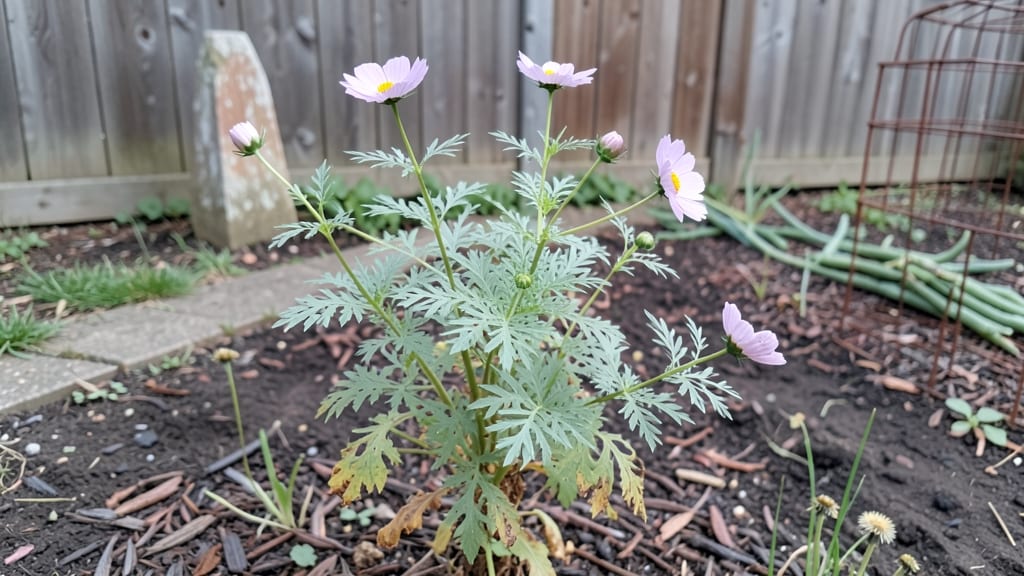
Designing a cosmos garden starts with whimsical vertical layers that turn your space into a season-long color show. 🌼 I fell for cosmos after watching them sway in my neighbor’s cottage garden, their delicate petals dancing in the breeze while attracting bees like magnets.
The key isn’t just planting them—they’re the stars, but the supporting cast (like lavender or snapdragons) makes the whole scene pop.
You’ll need cosmos seeds or starts, a mix of heights (tall ‘Bright Lights’ with shorter ‘Sensation’ varieties), and sturdy supports like trellises or stakes. Add a few perennials like salvia or ornamental grasses to fill gaps when cosmos fade in fall.
The magic happens when you layer plants so taller varieties frame shorter ones, creating depth that draws the eye—and pollinators—into your garden.
By midsummer, you’ll have a garden that feels like a living painting, with cosmos blooming in waves from early summer to frost. The pinks, whites, and reds contrast beautifully with deep greens and purples, while their airy stems add movement no static plant can match.
Maintenance is minimal—just deadhead spent blooms to encourage more flowers and watch your garden hum with life.
This design works in everything from formal borders to wildflower meadows, and even thrives in containers on patios. The best part? Cosmos grow almost anywhere, so whether you’re a city gardener or have a sprawling yard, you can create this effortless, pollinator-friendly drama. Let’s get planting!
📚 In This Guide
- What you need
- Instructions
- Tips and common mistakes
- Wrapping up and next steps
What you need
- ● Cosmos Seeds or Seedlings: 3–5 Cosmos bipinnatus or Cosmos sulphureus plants per vertical tier (choose colors like 'Bright Lights,' 'Sensation Mix,' or 'Cosmic Orange').
- ● Organic potting mix (10–15 lbs, well-draining and enriched with compost).
- ● Vertical Garden Structure: 1 wall-mounted planter (e.g., fabric pockets, wooden crates, or modular shelves) OR
- ● 1 freestanding trellis or tower (6–8 ft tall, with built-in pockets or wire mesh for rooting).
- ● Support Accessories: Bamboo stakes or twine (for climbing varieties like 'Cosmos atrosanguineus').
- ○ Decorative netting or lattice (optional, for a boho-chic look).
- ● Trowel or small hand shovel (for planting).
- ● Pruning shears (to trim dead blooms and encourage bushiness).
- ● Watering can with a fine rose nozzle (or a spray bottle for seedlings).
- ● Measuring tape (to ensure even spacing between tiers).
- ● Gloves (to protect your hands from thorns or soil).
- ● Sunlight: Full sun (6+ hours daily) for cosmos to thrive—place your vertical garden where it gets the most light! ☀️
- ● Watering Schedule: Keep soil consistently moist (not soggy) for the first 2 weeks, then water deeply 2–3 times per week.
- ● Fertilizer: Balanced liquid fertilizer (10-10-10 ratio) or compost tea every 4–6 weeks.
- ● Location: Secure your structure to a sturdy wall or fence (use L-brackets or heavy-duty hooks).
- ● Fairy lights or solar-powered LED strings for evening ambiance.
- ● Painted wooden accents or mosaic tiles to customize your planter.
- ● Companion plants like sweet alyssum or nasturtiums for texture and pollinator appeal.
- ● Self-watering reservoirs (for low-maintenance travel or busy weeks).
How to create a whimsical cosmos vertical garden
Here's how to layer cosmos for drama, texture, and nonstop blooms from summer through frost.
🌱 Step 1: Choose Your Cosmos Varieties for Height Layers
Select three cosmos types for vertical impact: tall varieties (4-5 feet) like 'Bright Lights' for the back, mid-height (3 feet) like 'Sensation Mix' in the middle, and dwarf types (1-2 feet) like 'Pendula' for the front. I plant them in odd-number groupings—three plants of each type creates natural movement in the garden.
Space taller cosmos 12-18 inches apart in the back row, medium-height 10-12 inches apart in the center, and dwarf cosmos 8-10 inches apart in front. This staggered spacing prevents overcrowding while letting each variety shine. Plant seeds ¼ inch deep—cosmos germinate quickly in warm soil, so don’t overthink the depth.
🪴 Step 2: Prepare the Planting Area with Loose, Well-Draining Soil
Amend your garden bed with 2-3 inches of compost mixed into the top 6 inches of soil. Cosmos thrive in average soil but despise soggy roots, so if your area stays wet, add 1 inch of coarse sand or perlite to improve drainage. I like to rake the surface smooth after amending—this creates a clean canvas for planting.
Create a slight mound in the center of each planting spot. This helps prevent water pooling around the base, which can rot delicate cosmos roots. Press the soil gently around each seedling after planting to eliminate air pockets without compacting too tightly. A light watering afterward settles everything in place.
☀️ Step 3: Position for Maximum Sun and Airflow
Cosmos need full sun (6-8 hours daily) to produce their signature abundant blooms. I plant mine where they’ll get morning sun and afternoon shade if your climate is extremely hot—this prevents the flowers from scorching. Space rows 18-24 inches apart to allow airflow, which reduces fungal diseases like powdery mildew.
Watch for leggy growth—if stems stretch too tall and thin, they’re reaching for light. This usually means your cosmos are too crowded or the light isn’t strong enough. Thin seedlings to the strongest plant per spot if needed, and move the container if you notice consistent leaning toward one direction.
💧 Step 4: Water Deeply and Let Nature Take Over
Water newly planted cosmos 1 inch per week, letting the soil dry slightly between waterings. Overwatering causes root rot, so I check moisture by sticking my finger 1 inch into the soil—if it feels dry, it’s time to water. Once established, cosmos are drought-tolerant and thrive with minimal care.
After the first flush of blooms, I deadhead spent flowers by pinching off the faded blooms with my fingers. This encourages more flowers to form and extends the blooming season well into fall. Cosmos self-seed prolifically, so you’ll likely see volunteers popping up in future seasons—just thin them to maintain your design.
✂️ Step 5: Maintain with Minimal Pruning for Bushier Growth
Cut back cosmos by one-third after the first major bloom cycle to encourage a second flush of flowers. Use clean, sharp pruners to make cuts just above a set of leaves. Avoid heavy pruning later in the season—this can reduce fall blooms when you want color the most.
If your cosmos start to flop from too many blooms or rain, I tie the tallest stems to a small stake or trellis for support. This keeps the vertical layers intact and prevents the garden from looking messy. A little structural support goes a long way in maintaining that whimsical, layered look you’re after.
Tips & tricks for perfect cosmos garden design
A few simple strategies can transform your cosmos garden from ordinary to extraordinary. These are the secrets I've learned after years of experimenting with vertical layers and seasonal blooms.
Variety Selection Tip: When choosing your cosmos varieties, consider color coordination as well as height. I like to pair warm tones like 'Bright Lights' orange with cool tones like 'Sea Shells' white for visual contrast. This creates depth and draws the eye through your vertical layers. For extra drama, add a splash of deep red cosmos like 'Ruby Red'—they'll stand out beautifully against the lighter varieties.
Planting Depth Secret: That ¼-inch planting depth might seem shallow, but it's perfect for cosmos seeds. They need light to germinate quickly, and planting too deep can delay sprouting. I use my finger to make a small dimple in the soil—just deep enough to hold the tiny seed without burying it completely. This ensures fast germination and strong seedlings.
Soil Prep Strategy: The 2-3 inches of compost mixed into the top 6 inches of soil creates the ideal environment for cosmos roots. But here's what nobody tells you—the compost should be well-aged. Fresh compost can contain weed seeds or be too acidic, which may stunt your cosmos growth. I always use finished compost that's been cured for at least 6 months.
Sunlight Optimization: While cosmos need that full sun (6-8 hours daily), I've found that morning sun with afternoon shade works best in hot climates. The afternoon shade prevents the flowers from wilting in intense heat while still allowing enough light for photosynthesis. If you notice flowers drooping during the day, they're telling you they need some relief from the midday sun.
Pro Tips for Cosmos Garden Design
- A few simple strategies can transform your cosmos garden from ordinary to extraordinary.
- Variety Selection Tip: When choosing your cosmos varieties, consider color coordination as well as height.
- Planting Depth Secret: That ¼-inch planting depth might seem shallow, but it's perfect for cosmos seeds.
Frequently asked questions
Got questions about creating your own cosmos garden design? You're not alone!
Here are answers to the most common queries to help you craft a stunning vertical display that blooms all season long.
How do I choose the right cosmos varieties for vertical planting?
Opt for Cosmos bipinnatus (tall and sturdy) or Cosmos sulphureus (compact and colorful) for vertical gardens. Dwarf varieties like 'Bright Lights' (12-18") thrive in pockets, while standard types (3-5 ft) need sturdy trellises or towers. Mix heights for layered visual interest!
When is the best time to plant cosmos in a vertical setup?
Plant cosmos seeds after the last frost (spring) for summer blooms, or direct-sow in late summer for fall color. Vertical gardens warm up faster—ideal for cooler climates! Avoid transplanting seedlings; cosmos hate root disturbance. Start seeds indoors 4-6 weeks early if needed.
Can I use cosmos in a vertical garden with other plants?
Pair cosmos with sweet potatoes (for greenery), lobelia (spiller), or fuchsias (trailing color). Avoid heavy feeders like tomatoes—cosmos thrive in lean soil. Use self-watering pockets or drip irrigation to balance moisture needs across plants.
What’s the easiest way to troubleshoot wilting cosmos in a vertical garden?
Check for underwatering (cosmos are drought-tolerant but need consistent moisture in containers) or overcrowding (thin seedlings to 12" apart). Yellow leaves? Improve drainage. Pests? Spray with neem oil. Pro tip: Elevate containers to prevent fungal issues from soggy soil.
How can I extend the cosmos blooming season in a vertical design?
Deadhead spent blooms weekly to encourage new flowers. Choose late-blooming varieties like 'Cosmic Orange' or 'Sensation White.' Add a slow-release fertilizer (low nitrogen) at planting, and mulch pockets with straw to retain moisture. Succession plant every 2-3 weeks for nonstop color!
Wrapping up and next steps
Transforming your space into a cosmos garden design isn’t just about beauty—it’s about creating a living, breathing masterpiece that thrives all season long! 🌸 With vertical layers, vibrant cosmos blooms, and smart planning, you’ve got everything you need to craft a whimsical, low-maintenance oasis.
The key? Start small, experiment fearlessly, and let nature do the rest.
Ready to dive in? Sketch your design today—grab a notebook, sketch your vertical layers, and pick your favorite cosmos varieties. Whether you’re a seasoned gardener or a curious beginner, your dream garden is just a shovel (or a trellis!) away. Happy planting! 🌱✨