Landscaping
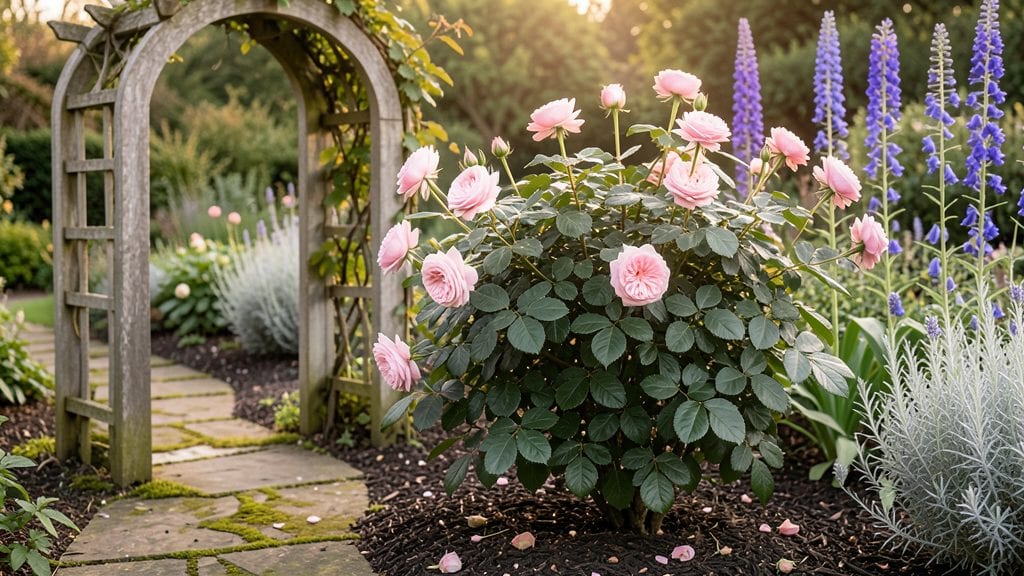
My cottage garden landscaping began with a single rambling rose and a pile of mismatched stones—what started as a whimsical experiment now spills over with romantic charm that never fades.
The secret lies in layers: tall grasses swaying behind peonies, lavender tumbling over old bricks, and herbs tucked into the crevices like hidden treasures. It’s not about perfection but about textured abundance that invites you to linger, where every corner feels like a story waiting to unfold.
You don’t need a sprawling yard—just a sunny patch, a few basic tools, and plants that thrive in your climate. I’ll show you how to mix perennials for structure with annuals for bursts of color, plus rustic materials like weathered wood and pebbles that cost next to nothing.
The best part? This garden works year-round: spring bulbs, summer blooms, autumn berries, and winter evergreens keep it alive with interest, even when the roses sleep.
Imagine stepping into a garden where fragrant roses brush your arm, butterflies hover over catmint, and the scent of thyme lingers in the air. That’s the magic of cottage landscaping—it’s alive, it’s personal, and it grows more beautiful with each passing season.
Let’s bring that charm to your space, one layer at a time.
Whether you’re working with a tiny balcony or a half-acre, the principles stay the same: loose, natural groupings, a mix of heights, and plants that love where you live.
I’ll share my go-to materials, budget-friendly swaps, and the one rule that keeps everything from looking like a wild tangle. Ready to start?
📚 In This Guide
- What you need
- Instructions
- Tips and common mistakes
- Wrapping up and next steps
What you need
- ● Plants: Perennials (e.g., lavender, peonies, delphiniums) – 5-10 plants per variety
- ● Annuals (e.g., sweet peas, marigolds, nasturtiums) – 10-20 plants for color bursts
- ● Herbs (e.g., rosemary, thyme, mint) – 3-5 plants for fragrance and utility
- ● Climbing plants (e.g., clematis, roses, wisteria) – 2-4 vines for trellises or fences
- ● Bulbs (e.g., daffodils, tulips, alliums) – 50-100 bulbs for spring blooms
- ● Soil & Amendments: Topsoil or garden soil – 1-2 cubic yards (depending on garden size)
- ● Compost or well-rotted manure – 2-3 bags (50 lbs each) for nutrient boost
- ● Mulch (straw, wood chips, or shredded bark) – 10-15 bags (2 cubic feet each)
- ● Decorative Elements: Trellises or arbor – 1-3 (depending on climbing plants)
- ● Garden ornaments (e.g., vintage teacups, birdbaths, weathered signs) – 3-5 pieces
- ● Garden stakes or labels (for plant identification) – 20-30 stakes
- ● Pebbles or gravel (for pathways) – 1-2 bags (50 lbs each)
- ● Essential Tools: Garden trowel – 1 (for planting and weeding)
- ● Hand pruners – 1 (sharp and clean for trimming)
- ● Garden fork – 1 (for turning soil)
- ● Garden hose with spray nozzle – 1 (for watering)
- ● Wheelbarrow – 1 (for hauling materials)
- ● Measuring tape – 1 (for planning layouts)
- ○ Optional (But Helpful) Tools: Garden gloves – 1-2 pairs (for comfort and protection)
- ● Knee pads – 1 (for long planting sessions)
- ● String and stakes – 1 roll (for marking rows or designs)
- ● Soil knife or dandelion digger – 1 (for weeding)
- ● Garden kneeler – 1 (for extra comfort)
- ● Sunlight assessment – Identify full sun, partial shade, and full shade areas in your garden.
- ○ Soil test – Check pH and nutrient levels (optional but recommended for optimal growth).
- ● Design sketch – A rough layout of plants, pathways, and focal points.
- ● Water source access – Ensure your garden is near a hose or irrigation system.
- ● Local plant hardiness zone knowledge – Choose plants suited to your climate!
Step-by-step instructions for cottage garden landscaping
Transform your outdoor space into a timeless, layered retreat with these intentional design steps.
Define Your Garden's Foundation
Begin by sketching your garden layout on graph paper, using a 1-inch scale for accuracy. Cottage gardens thrive on asymmetry, so avoid rigid geometric patterns—opt for winding paths and irregular shapes. Mark the locations for your 4 focal points (trees, shrubs, or large perennials) first, as these anchor the design and create visual balance. I like to place mine at natural intervals along existing structures or landscape features.
Measure the distance between focal points to ensure they're spaced 8-12 feet apart, allowing room for mid-height plants and pathways. Use a string line stretched between stakes to visualize the connections between elements. This step ensures your garden will feel cohesive rather than scattered, even as it evolves over seasons.
Layer Plants by Height and Seasonal Interest
Divide your planting areas into three distinct layers: tall (6-8 feet), mid-height (3-5 feet), and low (under 2 feet). For each of your 4 focal points, select one tall plant (like a small tree or large shrub) and two mid-height perennials that bloom at different times. I recommend pairing hydrangeas with peony and lavender for a classic cottage combination that offers year-round texture.
Fill the remaining space with low-growing perennials and annuals that create a "spiller" effect over edges. Choose varieties with staggered bloom times to ensure color from early spring through late fall. For example, pansies and heuchera for spring, roses and coneflowers for summer, and sedum and ornamental grasses for autumn interest.
Create Pathways and Functional Zones
Design pathways that wind naturally through your garden, using stepping stones (spaced 18-24 inches apart) or gravel (laid 3-4 inches deep) for durability. Avoid straight lines—cottage gardens feel inviting when paths meander, encouraging exploration. I like to curve pathways around focal points to draw the eye toward them. Add low borders of ajuga or creeping thyme along edges to soften transitions between hardscape and planting areas.
Incorporate functional zones like a seating area (using vintage chairs or a bench) or a small water feature (a 1-gallon basin with a solar fountain). These elements add charm while making the space usable. Place them near focal points to create natural gathering spots. Mulch pathways and planting beds with 3 inches of shredded bark to suppress weeds and retain moisture.
Add Whimsical Accents and Seasonal Touches
Incorporate 3-5 decorative elements per focal point to enhance the cottage aesthetic—think vintage lanterns, terracotta pots, or wooden trellises. I like to mix 2-3 functional items (like a birdbath or obelisk) with 2-3 purely decorative pieces (such as a weathered sign or painted stone). Arrange them asymmetrically for a relaxed feel. Add climbing roses or clematis to trellises to create vertical interest and draw the eye upward.
Plan for seasonal changes by selecting plants with evergreen foliage (like boxwood or holly) alongside deciduous varieties. Incorporate bulbs (tulips, daffodils) for early spring color and fall foliage plants (maple, oak) for autumn drama. Group 3-5 like plants together in drifts rather than single specimens for a lush, natural look.
Maintain Year-Round Charm with Low-Effort Care
Mulch all planting beds with 3 inches of organic mulch (like shredded bark) to retain moisture and suppress weeds. Water deeply once weekly during dry spells, focusing on the root zones of established plants. Cottage gardens thrive on neglect, so avoid over-pruning—let plants grow naturally and remove only dead or overcrowded stems in early spring. I like to deadhead spent blooms regularly to encourage continuous flowering.
Add seasonal accents like winter pansies or holly berries in colder months to keep the garden vibrant. Rotate container plants (like geraniums or petunias) every 4-6 weeks to refresh color. Fertilize lightly in early spring with a balanced, slow-release fertilizer to support healthy growth without excessive vigor. This approach ensures your cottage garden remains charming and low-maintenance year after year.
Tips & tricks for perfect cottage garden landscaping
Creating a cottage garden that feels effortlessly charming requires attention to detail—here's how to elevate your design from good to truly enchanting.
Foundation Precision: When sketching your layout on graph paper, use a 1-inch scale to maintain accurate proportions. I've found that marking your 4 focal points first creates a natural framework—think of them as the "backbone" of your design. The 8-12 foot spacing between these anchors prevents your garden from feeling crowded while maintaining visual harmony. Pro tip: Use a string line between stakes to visualize pathways before digging—this prevents costly adjustments later.
Plant Layering Strategy: The three-tiered approach (tall, mid-height, low) creates depth that makes your garden feel lush and intentional. For your 4 focal points, I recommend selecting one hydrangea (which thrives in partial shade) paired with peony and lavender3-5 like plants together in drifts rather than scattering singles; this mimics nature's planting patterns and creates visual impact.
Pathway Design Secrets: Cottage garden pathways should feel like an invitation to wander, not a rigid geometric pattern. For stepping stones, space them 18-24 inches apart to create a natural rhythm—this spacing also accommodates bare feet on warm days. When using gravel, lay it 3-4 inches deep to prevent erosion and create a stable surface. The key is to curve pathways around focal points rather than leading directly to them; this creates anticipation and draws the eye through your garden.
Seasonal Layering: To maintain year-round interest, I suggest incorporating evergreen foliage like boxwood alongside deciduous plants. For spring color, plant pansies and heuchera near seating areas where you'll appreciate their delicate blooms up close. In summer, add roses and coneflowers for height and texture, then transition to sedum and ornamental grasses for autumn's structural interest. This staggered approach ensures your garden never looks bare, even in winter.
Pro Tips for Cottage Garden Landscaping
- Creating a cottage garden that feels effortlessly charming requires attention to detail—here's how to elevate your design from good to truly enchanting.
- Foundation Precision: When sketching your layout on graph paper, use a 1-inch scale to maintain accurate proportions.
- Plant Layering Strategy: The three-tiered approach (tall, mid-height, low) creates depth that makes your garden feel lush and intentional.
Frequently asked questions
Got questions about bringing that dreamy cottage garden to life? You’re not alone! Here are some of the most common queries—plus straightforward answers to help you plan with confidence.
What’s the best time of year to start a cottage garden?
Spring and early fall are ideal for planting perennials and annuals, as the soil is workable and temperatures are mild. If you’re starting from scratch, spring is best—it gives plants time to establish roots before summer heat. For containers or quick color, you can plant cool-season flowers (like pansies) in early spring or late summer!
Can I create a cottage garden on a budget?
Skip expensive plants—start with seeds, divide existing perennials, or swap cuttings with neighbors. Use recycled materials (like old bricks or wooden pallets) for borders, and focus on low-maintenance plants like lavender, daylilies, or black-eyed Susans. Thrift stores often have charming vintage pots too!
How do I keep pests away without chemicals?
Cottage gardens thrive with natural pest control! Plant companion flowers like marigolds (they repel nematodes) or basil (keeps mosquitoes at bay). Encourage beneficial insects like ladybugs with nectar-rich blooms. For slugs, try beer traps or copper tape around borders. A healthy, diverse garden is its own best defense!
Do I need a big yard for a cottage garden?
Not at all! Cottage gardens shine in containers, window boxes, or even small raised beds. Vertical gardening (trellises, hanging baskets) adds layers and charm. A sunny balcony or patio can host herbs, flowers, and trailing vines—just ensure your plants get the right light and water.
What plants survive winter in a cottage garden?
Many hardy perennials and evergreens keep the magic alive year-round. Try hellebores (Christmas roses), ornamental grasses, boxwood shrubs, or witch hazel for winter interest. Mulch heavily in fall to protect roots, and leave seed heads for birds—it’s a win for you and wildlife!
How can I add color without overwhelming the “natural” look?
Mix bold blooms with soft textures: pair vibrant red poppies with silvery lamb’s ear or dusty miller. Use odd-numbered groupings (3 or 5 plants) for a relaxed, organic feel. Whites, creams, and pastels balance bright hues—think “grandma’s garden” meets “wildflower meadow.”
Wrapping up and next steps
Cottage garden landscaping is all about embracing romance, texture, and timeless beauty—a space that feels alive with every season. Whether you’re layering wildflowers, mixing vintage trellises, or cozying up with rustic seating, the key is to let your personality shine through each plant and path.
Start small, experiment fearlessly, and remember: the most charming gardens grow from joy, not perfection.
Ready to transform your outdoor space? Pick one corner today—plant a climbing rose, add a whimsical birdbath, or sketch your dream layout. Your cottage garden awaits! 🌸