
Advice
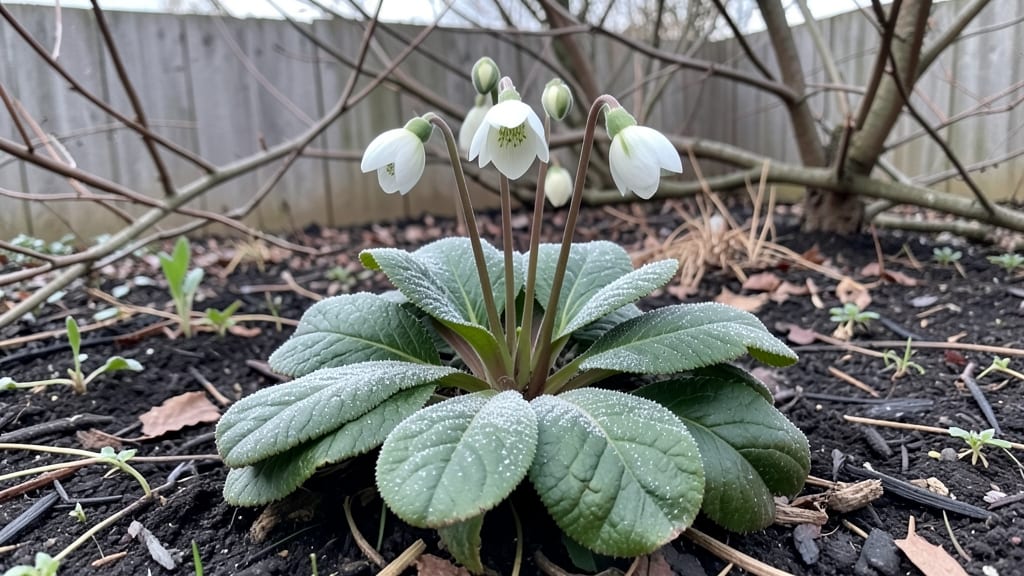
December isn’t a month to tuck your garden away—it’s prime time for cold-hardy crops that thrive when most plants nap. 🌱 I’ve learned the hard way that December gardening isn’t about forcing growth but working with winter’s rhythm, and the results—crisp greens, sweet roots, and fresh herbs—are worth the chill.
The key is choosing the right plants, protecting them from wind and freeze, and keeping soil workable so roots stay happy.
You don’t need fancy setups: a 4-inch-deep layer of straw over kale or carrots keeps them edible through snow, while 5-gallon containers let you grow spinach or radishes on a sunny patio.
My garden journal notes that even 10 minutes of daily soil checks (just stick your finger in!) prevents soggy roots or dry heaves. The payoff? Harvests that outshine spring’s first salads.
By February, you’ll have tender greens snipped straight from the garden, hardy herbs brightening winter meals, and soil prepped for spring’s first plantings. The secret isn’t fighting winter—it’s letting the cold do half the work while you tend to what’s left. Let’s turn December into your most productive month yet.
Works for backyard plots, raised beds, or even a windowsill herb garden. Whether you’re prepping for spring or just love the quiet satisfaction of winter harvests, these hacks keep your green thumb active year-round.
📚 In This Guide
- What you need
- Instructions
- Tips and common mistakes
- Wrapping up and next steps
What you need
- ● Cold-hardy seeds: Kale, spinach, carrots, radishes, peas, lettuce, and garlic (choose varieties labeled for fall/winter harvest). Pro tip: Start with 2–3 packets per crop for variety!
- ● Seed-starting supplies: Biodegradable seed pots (50–100 count)
- ● Seed-starting mix (10–15 lbs)
- ● Grow lights or sunny windowsill (if indoors)
- ● Garden bed prep: Compost (5–10 lbs per 10 sq ft)
- ● Organic mulch (straw or shredded leaves, 2–3 inches)
- ● Row covers or frost cloth (10x15 ft minimum)
- ● Tools: Hand trowel (for delicate winter soil)
- ● Garden gloves (waterproof, for comfort)
- ● Pruners (for harvesting greens)
- ● Watering can with a fine rose (to avoid soil erosion)
- ● Mini greenhouse or cold frame (to extend the season)
- ● Soil thermometer (ideal range: 40–50°F for winter crops)
- ● Organic pest deterrents (neem oil, diatomaceous earth)
- ● LED grow lights (for indoor seedlings if natural light is limited)
- ● Journal or app (to track planting dates and harvests)
Step-by-step instructions for December garden planning
Here's how to keep your garden productive through winter with cold-hardy crops.
🌱 Step 1: Choose Cold-Weather Crops for December
Focus on plants that thrive in 30-40°F temperatures like kale, spinach, carrots, and winter radishes. These crops actually taste sweeter after frost, so don't skip them just because it's cold. I always plant kale varieties like 'Winterbor' or 'Red Russian'—they handle freezing temps like champs.
For a quick harvest, sow spinach and radishes directly in the soil. These germinate fast in cool weather and can be ready in 3-4 weeks. If you have a greenhouse or cold frame, you can even extend the season for lettuce and arugula. Just avoid frost-sensitive plants like tomatoes or peppers—they won’t survive December outdoors.
💧 Step 2: Prepare the Soil for Winter Planting
Test your soil’s moisture before planting—it should feel damp but not soggy when squeezed. December soil often holds excess moisture, so amend with compost to improve drainage. I spread a 2-inch layer of compost over the planting area and mix it into the top 6 inches of soil.
If your soil is heavy clay, add sand or perlite to loosen it up. This helps roots breathe and prevents waterlogging, which can rot tender winter crops. Work the amendments in gently—you don’t want to disturb any existing roots from fall plantings.
☀️ Step 3: Plant with Protection for Extended Harvests
Use row covers, cold frames, or low tunnels to shield plants from harsh winds and frost. I drape floating row covers over my beds to trap heat while still allowing light and air to pass through. For extra insulation, add a straw mulch layer around the base of plants—this keeps roots warm and soil moisture stable.
Plant in well-drained, slightly raised beds if your ground freezes solid. The extra elevation helps roots escape frost and keeps crops growing even when temps dip. Space plants closer together than in summer—this creates a microclimate that retains warmth and humidity.
✂️ Step 4: Maintain and Harvest Through Winter
Water sparingly in December—only when the top 1-2 inches of soil feel dry. Overwatering can lead to root rot in cold soil. I check moisture by pressing my finger into the soil; if it’s damp, I wait. For leafy greens, harvest outer leaves first to encourage regrowth.
Watch for pests like aphids or cabbage worms—they’re still active in mild winters. Spray plants with neem oil or insecticidal soap if you spot them early. And don’t forget to prune dead foliage to keep energy focused on new growth. A little maintenance now means fresh harvests all winter long.
🪴 Step 5: Plan for Next Season’s Transition
Use December to rotate crops and mark planting spots for spring. I sketch a simple map of my garden beds, noting where I’ll plant warm-season crops like tomatoes and peppers next year. Avoid planting the same family (like brassicas) in the same spot consecutively—this prevents soil-borne diseases.
While the ground is cold, compost kitchen scraps for spring use. I keep a bin under my sink and dump it into the garden when temps rise. By December, I’ve already prepped my seed-starting mix and tools, so I’m ready to plant as soon as the thaw hits.
Tips & tricks for perfect December garden planning
Real talk: December gardening can feel tricky, but these tips will help you avoid common winter pitfalls and maximize your cold-weather harvests.
Temperature Matters: When selecting plants for your December garden, remember the 30-40°F range is ideal for cold-hardy crops. Kale and spinach actually improve in flavor after light frost—this is nature's way of rewarding patient gardeners! For extra protection during sudden cold snaps, I keep a supply of floating row covers ready to drape over sensitive plants. These simple covers can raise temperatures by 5-10°F and make all the difference during unexpected freezes.
Soil Preparation Strategy: The 2-inch layer of compost you mix into the top 6 inches of soil isn't just about nutrients—it's about creating the perfect environment for winter roots. For heavy clay soils, I always add sand or perlite to improve drainage, which prevents the dreaded root rot that can plague winter crops. Pro tip: Work these amendments in gently to avoid disturbing any existing roots from your fall plantings.
Make-Ahead Strategy: Here's what nobody tells you—start your compost kitchen scraps collection in December for spring planting. I keep a dedicated bin under my sink and label it "Spring Soil Boost." By the time planting season rolls around, I'll have rich, nutrient-packed compost ready to give my spring crops a head start. This simple habit saves me both time and money in the long run.
Harvesting Hack: When harvesting leafy greens like spinach and kale, always cut the outer leaves first. This encourages new growth from the center and gives you a continuous harvest throughout winter. I've found that plants treated this way can produce for 6-8 weeks longer than those harvested indiscriminately. Plus, it keeps your plants looking neat and tidy—no more scraggly winter gardens!
Pro Tips for December Garden
- Real talk: December gardening can feel tricky, but these tips will help you avoid common winter pitfalls and maximize your cold-weather harvests.
- Temperature Matters: When selecting plants for your December garden, remember the 30-40°F range is ideal for cold-hardy crops.
- Soil Preparation Strategy: The 2-inch layer of compost you mix into the top 6 inches of soil isn't just about nutrients—it's about creating the perfect environment for winter roots.
Frequently asked questions
What cold-hardy crops can I still plant in December?
Focus on fast-maturing varieties like spinach, kale, radishes, and peas. Overwintering crops like garlic, onions, and hardy greens (e.g., Swiss chard) can also be planted now for spring harvests. Use row covers or cold frames to extend the season in frost-prone zones.
How do I protect my December garden from freezing temperatures?
Layer protection with row covers, straw mulch, or cloche tunnels to insulate soil and plants. For delicate crops, move pots to a sheltered spot or greenhouse. Avoid overhead watering before frost—wet foliage freezes faster. Pro tip: Use black plastic mulch to warm soil under hoop houses!
When should I harvest winter crops like Brussels sprouts or carrots?
Harvest Brussels sprouts after the first hard frost for sweeter flavor, but before temps drop below 20°F. Carrots and beets can stay in the ground until spring if covered. Check for firmness and size—don’t wait too long, or they’ll toughen up! For leafy greens, pick outer leaves first to encourage regrowth.
Can I reuse December garden soil for spring planting?
Yes! Amend soil now with compost or aged manure to replenish nutrients lost over winter. Test pH (ideal: 6.0–7.0 for most veggies) and adjust with lime or sulfur if needed. Pro tip: Add a thin layer of compost in early spring to jumpstart microbial activity.
What do I do if my December garden gets too wet or soggy?
Excess moisture leads to rot and fungal diseases. Improve drainage by raising beds or adding organic matter (like coconut coir). Avoid working wet soil—wait until it’s crumbly. For container gardens, ensure pots have drainage holes and elevate them slightly. Air circulation (via pruning or spacing) also helps prevent mold.
Wrapping up and next steps
December may seem like the off-season for gardening, but with the right year-round harvest hacks, your garden can thrive even in the cold! 🌱 From hardy greens to root vegetables, there’s plenty to grow—and enjoy—through the winter months.
With a little planning, you’ll be well on your way to a bountiful December garden that keeps your table fresh and your spirit bright.
Ready to take the next step? Start small—try planting a few cold-resistant crops in containers or extend your growing season with simple tools like row covers or cold frames. Your winter garden adventure begins now! 🌟