
Pests
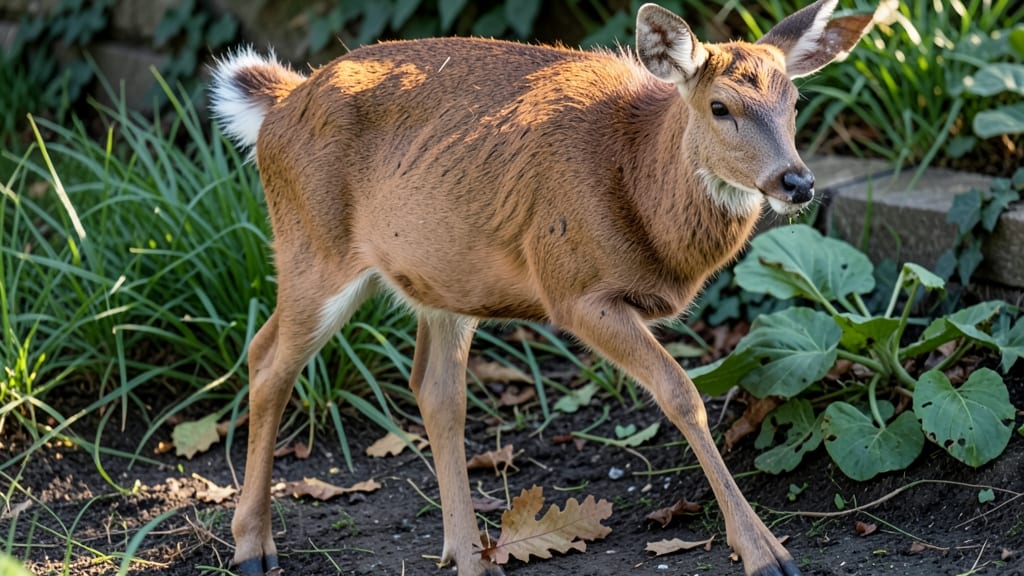
Deer-proofing your garden starts with understanding their sneaky habits—because those graceful creatures have a knack for turning your carefully planted beds into their personal salad bar. 🌿 After years of watching my hostas get polished off overnight, I finally cracked the code with barriers that work without trapping or harming them.
The key? A mix of physical deterrents they can't scale or chew through, plus plants they'd rather avoid.
Most people jump to fencing first, but I found that 8-foot tall barriers aren't always necessary—smart placement of 6-foot tall fencing with an outward angle at the top (so they can't jump in) works wonders.
Add a few deer-resistant plants like daffodils, boxwoods, or Russian sage near the edges, and you create a natural buffer zone they’ll skip. The best part? These solutions blend into your landscape instead of looking like a fortress.
Once you’ve got the barriers in place, you’ll notice a dramatic shift within 2-3 weeks—no more missing leaves or trampled paths. Your garden will start looking like the lush, intentional space you designed, not a deer buffet.
The peace of mind alone makes it worth the effort, especially when you’re finally enjoying those hostas you planted two years ago.
This approach works for any yard size, from small urban gardens to sprawling rural plots. The secret isn’t just one trick—it’s layering what deer dislike (height, texture, scent) to create a garden they’ll avoid entirely.
Let’s get your plants back where they belong: growing for you, not your neighborhood deer.
The Hidden Reasons Deer Invade Gardens
Deer may seem like gentle woodland creatures, but they’re also opportunistic foragers with a keen sense of smell and an insatiable appetite. When they start munching on your prized garden, it’s rarely an accident—it’s a calculated move driven by biology, habitat loss, and human activity.
Understanding why they’re drawn to your garden is the first step in crafting an effective defense. Let’s break down the key factors that turn your backyard into an all-you-can-eat buffet.
Deer populations are booming in many regions due to urban sprawl and deforestation. As their native woodlands shrink, suburban and rural gardens become accidental extensions of their territory. Here’s why this matters:
- Food scarcity: When forests are fragmented, deer rely more on cultivated plants, shrubs, and even lawns for sustenance. A garden filled with hostas, tulips, or ornamental grasses is like a five-star restaurant to them.
- Shelter and cover: Dense shrubs, tall grasses, and untrimmed hedges provide deer with hiding spots to approach your garden undetected. If your yard offers both food and cover, it’s a prime target.
- Water sources: Ponds, birdbaths, or even dew-collecting plants (like succulents) attract deer for hydration. A thirsty deer will wander closer to investigate—and may not leave until it finds a snack.
Actionable insight: If your garden resembles a deer’s natural habitat, it’s no surprise they’re stopping by. The solution? Disrupt their comfort zone with strategic landscaping and barriers.
Deer are selective eaters—they avoid toxic or bitter plants but go for tender, nutrient-rich favorites. If your garden is a deer’s dream salad bar, they’ll return night after night. Common culprits include:
| 🌱 Deer-Loved Plants | ⚠️ Why They’re Risky |
|---|---|
| Hostas, Tulips, Dahlias | Soft, water-rich leaves and bulbs are easy to digest and packed with nutrients. |
| Roses, Hydrangeas, Lavender | Fragrant flowers and shrubs signal high-value forage—deer can’t resist the scent. |
| Vegetables: Lettuce, Kale, Peas | Fast-growing edibles are like fast food for deer—they’re quick, easy, and satisfying. |
| Young Trees/Shrubs | Deer browse bark and saplings, which can stunt growth or kill plants entirely. |
Science note: Deer have a rumen (a four-chambered stomach) that allows them to digest fibrous plants efficiently. However, they prefer high-moisture, low-fiber plants—like your garden’s annuals and perennials—because they’re easier to process and provide quick energy.
Actionable fix: Swap deer magnets for native, deer-resistant species like daffodils, marigolds, or Russian sage. Even better? Plant a deer-proof buffer zone with thorny or aromatic plants (e.g., barberry, boxwood) around the perimeter.
Deer are crepuscular (most active at dawn and dusk), but their behavior shifts based on human presence. Here’s how your routine might be inviting them:
- Dawn and dusk foraging: These are peak times for deer browsing. If your garden is well-lit or lacks natural barriers, they’ll waltz in unnoticed.
- Nighttime activity: Deer are also nocturnal in areas with heavy human traffic. If you’ve noticed damage after dark, they’re likely using your garden as a late-night snack spot.
- Seasonal changes:
- Spring: New growth (like shoots and seedlings) is irresistible.
- Fall: Deer bulk up for winter, targeting fruits, nuts, and acorns—even if they’re in your garden.
- Winter: Snow cover forces deer to rely on evergreens and stored food, making them more desperate.
- Food waste and pet food: Uneaten pet food, fallen fruit, or compost piles send deer the message: “Free food here!” Even a single apple core can attract a herd.
Pro tip: 🌡️ Monitor seasonal patterns in your area. If deer activity spikes in fall, plan preemptive barriers before the first frost. And always secure trash and pet food—it’s an open invitation.
Deer are highly adaptable and learn from each other. If one deer discovers your garden is a buffet, others will follow. Here’s how modern landscaping plays into their strategy:
- Overgrown edges: Tall grasses or untrimmed hedges create “stealth corridors” for deer to sneak in undetected.
- Lack of fencing awareness: Deer can jump 8 feet vertically and leap 30 feet horizontally. If your fence is <6 feet tall or has gaps, it’s useless.
- Artificial lighting: Motion-activated lights can scare deer away—but if they’re used inconsistently, deer may see them as a predictable (and ignorable) nuisance.
- Water features: Ponds or fountains double as drinking stations, making your garden a year-round destination.
Key takeaway: Deer exploit human-designed landscapes because they’re predictable. The solution? Mimic natural deterrents like thorny thickets, open sightlines, and irregular terrain to disrupt their comfort.
Natural Ways to Keep Deer Away
Now that you understand why deer invade your garden, it’s time to take action with practical, nature-friendly solutions. The good news? You don’t need harsh chemicals or expensive fences to keep these graceful but hungry visitors at bay. Here’s how to create a deer-proof haven using tried-and-true methods.
Deer are curious but cautious—they’ll avoid obstacles that feel uncomfortable or risky. The key is to make your garden less appealing than the open meadow next door.
🔥 Install a Tall Fence (But Make It Smart)
- Height matters: Deer can jump up to 8 feet, so aim for at least 7–8 feet tall if they’re a persistent problem.
- Slant the top: Bend the fence outward at a 30-degree angle to discourage climbing.
- Use materials wisely: Wood, vinyl, or metal work best—deer dislike rough textures like electric wire (more on that below).
🍳 Natural Fencing with Plants
- Thorny shrubs: Roses, barberries, or hawthorns create a prickly perimeter deer won’t cross.
- Strong-smelling plants: Deer hate lavender, daffodils, and Russian sage—plant these near entry points.
- Hedge rows: Dense evergreens like boxwood or arborvitae act as a living fence.
👨🍳 DIY Deer-Repellent Fencing
For a budget-friendly fix, try:
- Wire mesh: Bury 12-inch chicken wire around garden beds—deer dislike the sharp edges.
- Plastic deer netting: Stretch it over young plants or trellises for temporary protection.
Deer rely on smell and sound to navigate. Overwhelm them with scents they find unpleasant or confusing.
🔪 Strong Smells to Deter Them
- Human scent: Hang old clothes or shoes soaked in vinegar or predator urine (coyote or wolf urine works best).
- Spices & herbs: Sprinkle cayenne pepper, garlic, or hot sauce around plants (reapply after rain).
- Commercial repellents: Look for natural sprays with rotten eggs, putrescent eggs, or egg solids—they mimic decay, signaling danger.
🎵 Noise Deterrents (For Stubborn Visitors)
- Motion-activated sprinklers: Devices like ScareCrow spray water when deer approach—startling them without harm.
- Wind chimes or pinwheels: The movement and noise can spook them over time.
- Radio or music: Play classical or country music (studies show deer dislike these genres!).
The best defense is making your yard less attractive than the buffet next door.
💡 Remove Their Favorite Foods
- Avoid planting deer magnets: Skip hostas, tulips, daylilies, and fruit trees—they’re all-time favorites.
- Opt for deer-resistant plants: Try salvia, peonies, marigolds, or yarrow—they’re tough and unappetizing.
🎯 Rotate Your Strategies
Deer get used to tricks, so change tactics seasonally:
- Spring/Summer: Focus on physical barriers + strong scents.
- Fall/Winter: When food is scarce, increase noise deterrents and secure compost piles.
✨ Bonus: Create a Deer Distraction
- Plant a "deer garden" elsewhere: Sacrifice a corner of your yard with clover, alfalfa, or corn to lure them away from prized plants.
Deer are smart—they’ll test your defenses. Combine 2–3 methods (e.g., fence + scent + noise) for the best results. Reapply repellents after rain, reinforce weak spots in fences, and monitor their behavior to adjust your strategy.
With these natural solutions, you’ll enjoy a deer-free garden without harming wildlife or breaking the bank. 🌱🚫🦌
Frequently asked questions
What’s the most effective height for deer fencing?
For most gardens, 6-7 feet is the sweet spot—deer can clear 8 feet if determined. The key is angling the top 30 degrees outward so they can’t get purchase. For high-risk areas, extend it to 8 feet with a 12-inch overhang at the base to prevent digging.
Will deer eat through plastic netting?
No, deer won’t chew through plastic deer netting (like 1-inch mesh), but they’ll push through if it’s flimsy. Secure it tightly to stakes or trellises, and bury the bottom 6 inches deep to block digging. For young plants, combine it with a wire cage for extra protection.
Are there plants deer completely avoid?
While no plant is 100% deer-proof, daffodils, alliums, and Russian sage are their least favorite due to bitter tastes or strong scents. For a foolproof buffer, plant thorny shrubs like barberry or roses around garden edges. Even deer-resistant plants need backup barriers in hungry seasons.
Can I use predator urine to scare deer away?
Yes! Coyote or wolf urine (available at garden centers) works best—deer associate these scents with danger. Reapply every 2-4 weeks or after rain, and place it near entry points. For stronger results, combine it with motion-activated sprinklers or hanging old clothes soaked in vinegar.
What should I do if deer are already damaging my garden?
First, assess the damage: chewed leaves (they’re snacking) vs. bark stripping (they’re desperate). For immediate fixes, wrap young trees in tree guards or cover vulnerable plants with lightweight row covers. Long-term, install physical barriers and remove their favorite foods.