
Pests
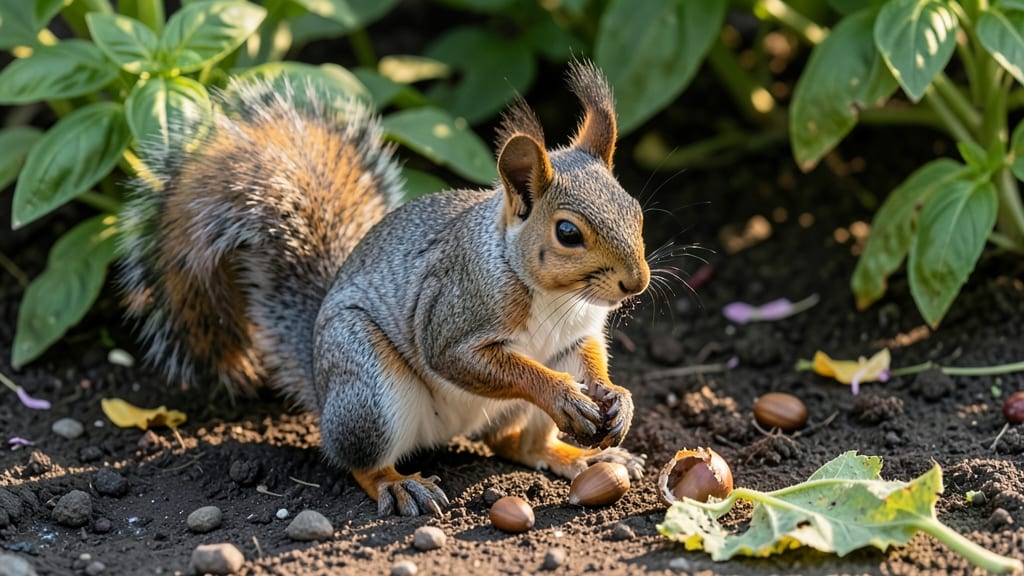
My squirrel prevention garden starts with a simple truth: those bushy-tailed bandits aren’t just stealing your nuts—they’re rewiring your whole garden’s energy.
After years of watching them demolish my sunflower seeds and dig up newly planted bulbs, I finally cracked the code with a mix of smart plant choices, physical tricks, and a few sneaky repellents that don’t involve poison or traps.
The key is layering defenses like a fortress: wire mesh buried around perimeters stops digging, prickly plants like thorny roses deter climbing, and strong-smelling herbs (think mint or garlic chives) confuse their noses.
Even my neighbor’s squirrels gave up after I swapped their favorite snack plants for squirrel-resistant varieties like daffodils or alliums—nature’s built-in bodyguards.
By the end of spring, you’ll see fewer muddy paw prints in your beds, more seeds sprouting where they’re supposed to, and maybe even those squirrels taking their chaos to the oak tree next door instead. The best part? No cruel traps or chemicals—just a garden that outsmarts them.
Works for vegetable patches, flower beds, or even container gardens on patios. Let’s make your yard the last place they’d dare to raid.
The Hidden Triggers Inviting Squirrels
Squirrels may seem like harmless, cute critters, but when they invade your garden, they can wreak havoc on your plants, bulbs, and even structural elements like fences or wiring.
Understanding why these bushy-tailed visitors show up in the first place is the first step to creating an effective squirrel prevention garden. Below, we break down the key reasons—backed by science—and what you can do to address them.
Squirrels are omnivorous opportunists, meaning they’ll eat almost anything—nuts, seeds, fruits, vegetables, birdseed, and even young shoots. When natural food sources (like acorns or wild berries) become scarce in their habitat, they’ll venture into gardens in search of easier meals.
Why it happens:
- Seasonal shifts: In late summer and fall, squirrels stockpile food for winter. If your garden offers high-calorie, easy-to-access snacks (like sunflower seeds or newly planted bulbs), they’ll treat it like an all-you-can-eat buffet. 🥜
- Urban sprawl: As natural forests shrink, squirrels adapt by raiding gardens, bird feeders, and even trash cans. Studies show that gray squirrels (common in many regions) can travel up to 1.5 miles in search of food—so proximity to wooded areas increases risk. 🌳
- Birdseed magnets: A single feeder can attract dozens of squirrels, who see it as a 24/7 snack bar. Squirrels have been known to steal up to 90% of seed from feeders, leaving birds with little. 🐦
Actionable fix: Remove easy food sources by:
- Choosing squirrel-resistant birdseed (e.g., nyjer seed in mesh tubes).
- Harvesting crops promptly and storing them in metal or thick plastic bins (squirrels can chew through wood!).
- Avoiding overripe fruit on trees—pick fallen fruit daily.
Squirrels need nesting sites for protection from predators, weather, and raising young. If their natural dens (like tree cavities or thick brush) are limited—due to deforestation, construction, or lack of mature trees—they’ll take advantage of human-made structures in your yard.
Why it happens:
- Attics and walls: Squirrels can chew through wood, vinyl siding, and even electrical wires to create nests. They prefer dryer, insulated spaces (like attics) where they can raise kits (baby squirrels) safely. 🏠
- Garden structures: Wooden sheds, raised beds, and even compost piles provide cozy hideouts. A single female squirrel can have 4-6 kits per year, so a nest in your garden means a year-round infestation risk. 🐿️
- Landscaping choices: Dense shrubs, ivy-covered fences, or untrimmed trees create natural highways for squirrels to move undetected. They’ll use these as highways to access food and shelter. 🌿
Actionable fix: Block entry points by:
- Sealing gaps in attics, sheds, and walls with hardware cloth (1/4-inch mesh)—squirrels can’t chew through it.
- Removing leaf litter and debris from garden beds (they love nesting in hidden spots).
- Choosing squirrel-proof materials for garden structures (e.g., metal or treated wood).
If your garden is like a five-star hotel for squirrels, they’ll move in permanently. Poor design—such as open compost piles, unprotected bulbs, or easy climbing paths—makes it too tempting to ignore.
Why it happens:
- Bulbs and tubers: Squirrels have a natural instinct to bury and dig up food for later. Tulips, daffodils, and potatoes are high-priority targets because they’re high in starches and easy to excavate. 🌱
- Climbing aids: Trees, trellises, and even utility wires act as squirrel superhighways. They can leap up to 10 feet horizontally and climb vertical surfaces with ease. 🦾
- Water sources: Ponds, birdbaths, or dripping hoses attract squirrels for hydration. Once they’re in your yard for water, they’ll stay for food. 💦
Actionable fix: Redesign your garden to deter them:
- Plant squirrel-repellent flowers (like daffodils or alliums) around bulbs—their bitter taste deters digging.
- Install smooth, slippery surfaces (like metal roofing or gravel) near climbing paths to make movement difficult.
- Use drip irrigation instead of standing water to eliminate squirrel water sources.
Squirrels are highly territorial and curious by nature. If they sense new food, shelter, or even just a change in their environment, they’ll investigate—and often stay.
Why it happens:
- New smells: Squirrels have an exceptional sense of smell (10,000 times more sensitive than humans) and will investigate anything unfamiliar, like fresh mulch, compost, or even new plants. 👃
- Competition: If your neighbor’s yard is squirrel-free but yours isn’t, they may see your garden as a resource-rich territory to claim. Squirrels mark their territory with scent and will defend it aggressively. 🏷️
- Playful destruction: Squirrels are intelligent and playful—they’ll chew on garden hoses, dig up lawns, and even knock over pots just for fun. This behavior is especially common in young squirrels (kits) exploring their range. 🎪
Actionable fix: Disrupt their interest with:
- Citrus or pepper sprays (reapply after rain)—squirrels dislike strong scents.
- Motion-activated sprinklers to startle them away without harm.
- Removing hidden entry points (like gaps in fences) to limit their access.
Stop Squirrels Without Harm
Squirrels may be adorable, but they can wreak havoc in your garden—digging up bulbs, chewing through plants, and even stealing your harvest. The good news? You can outsmart them with natural, humane, and effective solutions tailored to their sneaky behaviors.
Below, we’ve mapped common squirrel problems to practical fixes, so you can reclaim your garden without cruelty.
Squirrels are acrobatic climbers and diggers, so they exploit weak spots in your defenses.
🔥 Problem:
Squirrels climb trees or fences to raid your garden. #### 🍳 Solution: Install physical barriers at their entry points. - 👨🍳 Use hardware cloth or chicken wire (1/2-inch mesh) to wrap tree trunks or fence posts at least 5 feet high.
Squirrels can’t squeeze through small gaps, and they’ll avoid climbing if the surface feels unstable. - ⏰ Time it right: Install barriers before planting season—squirrels are early risers and will scout for easy meals. - 💡 Pro Tip: Bury the mesh 6 inches deep around garden beds to prevent digging.
Add a 12-inch outward flare at the top to deter them from jumping over.
🔥 Problem:
Squirrels dig up bulbs or young plants. #### 🍳 Solution: Cover vulnerable areas with squirrel-proof mulch or netting.
- 🥘 Spread coarse mulch (like pine cones or gravel) over bulb beds—squirrels dislike the texture and will avoid digging.
- 🔪 Use fine mesh hardware cloth (1/4-inch) over newly planted bulbs or seeds.
Secure it with stakes or rocks so it doesn’t blow away. - ✨ Bonus: Plant squirrel-deterrent flowers (like daffodils or alliums) around your garden—their strong scent repels squirrels naturally.
Squirrels rely on sight, smell, and taste to find food. Confuse them with unexpected textures, scents, or sounds.
🔥 Problem
Squirrels keep returning to the same spots. #### 🍳 Solution: Repel them with natural deterrents.
- 🌡️ Spicy or pungent scents work best:
- 🥘 Mix cayenne pepper or red pepper flakes into a spray bottle with water and spritz around garden edges, tree bases, and raised beds.
Reapply after rain. - 💡 Pro Tip: Plant mint, marigolds, or garlic near high-risk areas—their strong aromas mask the scent of your crops. - 🎯 Motion-activated sprinklers (like ScareCrow) startle squirrels with a sudden burst of water when they approach. They’ll learn to avoid the area.
🔥 Problem: Squirrels chew on young plants or bark.
🍳 Solution: Make your plants unappetizing.
- 🔪 Wrap tree trunks with plastic tree guards or aluminum foil (squirrels hate the noise and texture).
- 🥘 Apply bitter apple spray (available at garden centers) to vulnerable plants—it’s safe for plants but unpleasant for squirrels.
- ✨ Bonus: Hang shiny objects (like old CDs or pie tins) from strings—they create unpredictable movements that squirrels find confusing.
A well-fed squirrel is a happy squirrel—but a happy squirrel is also a destructive one. Eliminate their motivation to visit.
🔥 Problem: Squirrels are attracted to bird feeders or fallen fruit.
🍳 Solution: Secure food sources and clean up temptations.
- 👨🍳 Move bird feeders at least 15 feet away from your garden and hang them on a pole (not a tree branch) with a squirrel baffle.
- ⏰ Harvest crops promptly—don’t leave overripe fruit or veggies lying around. Compost far from your garden to avoid luring them back.
- 💡 Pro Tip: Feed squirrels elsewhere—if you have a dedicated squirrel-feeding area (like a platform feeder), they’ll focus their energy there instead of your garden.
🔥 Problem: Squirrels raid compost piles.
🍳 Solution: Make compost less appealing.
- 🥘 Bury food waste under a thick layer of carbon-rich materials (leaves, straw) to smother smells.
- 🔪 Use a sealed compost bin with a tight-fitting lid—squirrels can’t dig through metal or thick plastic.
- ✨ Bonus: Add hot peppers or citrus peels to your compost—they’ll deter squirrels without harming decomposition.
Once you’ve addressed immediate issues, reinforce your defenses to keep squirrels out for good.
🔥 Problem
Squirrels keep finding new ways in. #### 🍳 Solution: Create a squirrel-proof garden ecosystem.
- 🌿 Plant squirrel-resistant crops like tomatoes, peppers, or herbs (squirrels prefer sweet corn, squash, and berries).
- 🏡 Install overhead netting (1/2-inch mesh) on raised beds and greenhouses—squirrels can’t jump over it.
- 💡 Pro Tip: Rotate planting locations yearly—squirrels remember where food was last year and will return.
Keep them guessing! - 🎯 Adopt a "scare tactic rotation"—combine motion-activated devices, reflective tape, and occasional loud noises (like a radio playing nature sounds) to keep them on edge.
Before calling it a day, run through this quick audit to ensure your garden is squirrel-proof: ✅ Barriers: All trees, fences, and garden beds are wrapped or covered. ✅ Scents: Repellents (pepper spray, plants) are fresh and strategically placed. ✅ Food: No easy snacks—harvest promptly, secure compost, and relocate feeders. ✅ Distractions: Motion sprinklers, shiny objects, or a dedicated squirrel-feeding zone are in place. ✅ Plants: Vulnerable crops are protected with netting or planted in squirrel-unfriendly zones.
With these targeted, humane solutions, your garden can thrive without a single squirrel in sight—no traps, no harm, just smart prevention. 🌱🐿️🚫
Frequently asked questions
What are the most effective squirrel-resistant plants for gardens?
Go for daffodils, alliums, or marigolds—their strong scents and bitter flavors naturally repel squirrels. Other smart choices include lavender, rosemary, and snapdragons, which squirrels avoid due to their intense aromas. Plant these around vulnerable areas like bulb beds or vegetable patches.
How do I keep squirrels from digging up newly planted bulbs?
Use hardware cloth (1/4-inch mesh) over bulb beds before planting, secured with stakes. For a natural approach, scatter gravel or pine cones—squirrels dislike digging through these textures. Reapply after rain to maintain effectiveness.
Are motion-activated sprinklers humane for squirrel control?
Yes! These devices startle squirrels with a gentle water burst when they approach, teaching them to avoid the area without harm. Place them near high-traffic zones like garden edges or compost piles. They’re especially effective when combined with other repellents like pepper spray.
Can I use pepper spray to deter squirrels, and how often should I reapply?
Mix cayenne pepper or red pepper flakes with water and spray around garden perimeters. Reapply every 7-10 days or after rain. For stronger results, refresh after heavy downpours. Avoid spraying directly on plants to prevent damage.
What’s the best way to squirrel-proof a bird feeder?
Place feeders 15+ feet from your garden on a pole with a squirrel baffle (a dome-shaped barrier). Use nyjer seed in mesh tubes—squirrels can’t access it easily. For extra protection, add a weighted feeder that tips when squirrels try to climb.