
Pests
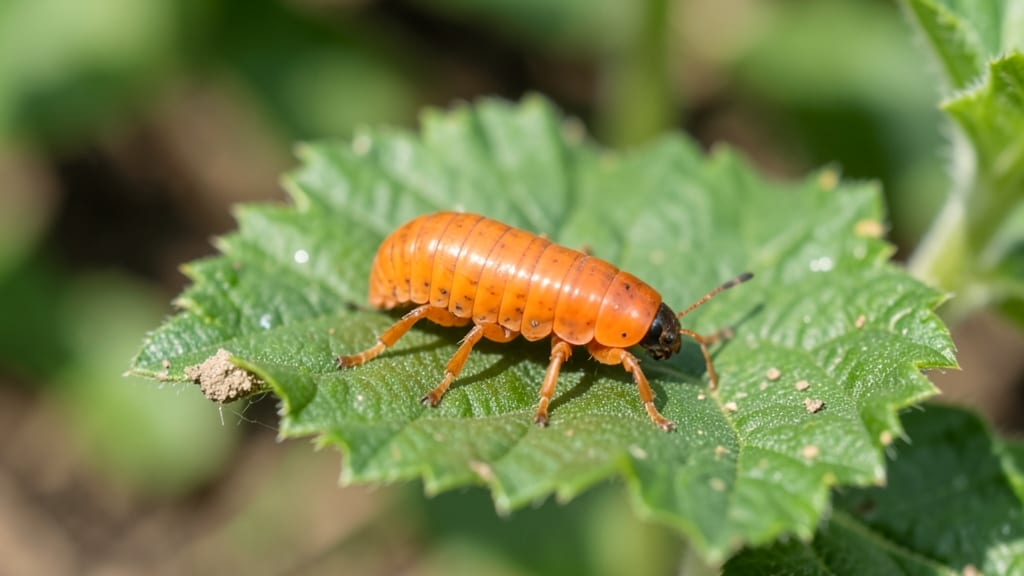
Orange garden insects like the orange tortrix moth can turn your thriving plants into a buffet. 🌿 I’ve battled these bright pests for years, and my garden’s now a fortress—no more chewed leaves or hidden larvae.
The key isn’t brute force but smart prevention: natural barriers that outsmart them before they start.
These insects thrive where plants are stressed or crowded, and their larvae burrow into leaves and fruit. My biggest breakthrough? A mix of physical barriers (row covers, reflective mulch) and plant allies (marigolds, basil) that confuse their scent trails.
Even my black thumb can’t mess this up once you know the tricks.
By summer’s end, your garden stays lush while these pests get the boot—no sticky traps or harsh sprays. You’ll spot fewer orange specks on foliage, and your tomatoes and peppers stay blemish-free. The secret’s in timing and placement, not chemicals.
Works for veggie gardens, flower beds, and even houseplants on a patio. Let’s build that pest-proof zone step by step—your plants will thank you.
Root Causes Of Bright Orange Invaders
Bright orange insects—like harlequin bugs or orange lady beetles—can turn your garden into a battleground if left unchecked. But why do they show up in the first place?
The answer lies in a mix of environmental triggers, plant chemistry, and even human activity. Understanding these causes helps you prevent (not just react to) their presence.
Orange garden insects often target plants with sweet, aromatic, or nutrient-rich foliage. Some species, like the harlequin bug, are drawn to:
- Cruciferous veggies (broccoli, cabbage, kale) – Their sulfur compounds mimic natural insect attractants.
- Herbs like dill and fennel – These release volatile oils that signal "easy prey" to pests.
- Stressed or over-fertilized plants – Excess nitrogen in soil makes leaves juicier, a buffet for hungry insects.
Pro tip: 💡 Rotate crops yearly to disrupt their scent trails, and avoid overwatering—wilting plants are less appealing.
Temperature and humidity create the perfect storm for orange invaders:
| Season | Why They Arrive | Actionable Fix |
|---|---|---|
| Spring | Warmer soil triggers egg hatching (e.g., harlequin bugs emerge when temps hit 55°F+). | Cover young plants with floating row covers until pests appear. |
| Summer | Drought stress weakens plants, making them more vulnerable to attacks. | Mulch heavily to retain moisture and reduce stress signals. |
| Fall | Cool nights + humid days create ideal breeding conditions for some species. | Remove garden debris (where eggs overwinter) by mid-November. |
Even well-meaning gardening practices can accidentally attract orange pests:
- Compost piles – Overly wet or protein-rich compost (e.g., meat scraps) can lure beetles.
- Monoculture planting – Planting the same crop in rows creates a smorgasbord for insects.
- Ignoring beneficial predators – Ladybugs (even orange ones!) eat aphids. If you spray broad-spectrum pesticides, you’re also killing their natural enemies.
Pro tip: ✨ Plant diverse companion flowers (like marigolds or yarrow) to confuse pests and support predator insects.
By addressing these root causes—plant choices, weather patterns, and gardening habits—you can dramatically reduce orange insect outbreaks before they start. The key? Break their cycle at the source.
Quick Fixes for Common Garden Pests
Dealing with unwanted orange or bright-colored insects in your garden? The good news is that many of these pests can be managed naturally—without harsh chemicals. Below, we’ve mapped out practical solutions based on the most common causes, from overcrowded plants to poor soil health.
Each fix is designed to be easy to implement and long-lasting, so you can enjoy a thriving garden without the hassle.
If your garden is packed too tightly, pests like aphids, whiteflies, or spider mites (which may appear orange or yellowish) will thrive in the shade and humidity. Thinning plants improves airflow and sunlight exposure, making it harder for insects to hide and multiply.
How to Fix It: ✅ 👨🍳 Prune strategically – Remove overgrown branches or leaves that block sunlight. Focus on the center of bushes and the lower leaves of tall plants. ✅ 🌱 Space out seedlings – If you’re growing from seeds, thin them so each plant has 6–12 inches of space (depending on the species). This reduces stress and pest pressure. ✅ 🔪 Remove damaged foliage – Yellowing or chewed leaves attract pests. Toss them in a sealed bin (not your compost!) to prevent reinfestation.
💡 Pro Tip: If you’re dealing with orange aphids (like the woolly aphid), prune in the early morning when they’re least active to minimize spread.
Orange garden insects like root-knot nematodes (which can cause stunted, yellowing plants) or scale insects (which may appear orange-brown) often signal nutrient deficiencies or compacted soil. Healthy soil = fewer pests.
How to Fix It: ✅ 🌡️ Test your soil – Use a DIY soil test kit (available at garden centers) to check pH and nutrient levels. Most pests prefer acidic or waterlogged soil (pH below 6.5). ✅ 🥗 Amend with compost – Mix in 2–3 inches of compost into the top 6 inches of soil. This improves drainage, adds beneficial microbes, and deters pests like fungus gnats. ✅ 💪 Use organic fertilizers – Switch to fish emulsion, worm castings, or bone meal for a slow-release nutrient boost. Avoid synthetic fertilizers, which can attract pests.
💡 Pro Tip: If you suspect nematodes, plant marigolds or garlic nearby—their strong scents repel these microscopic worms.
Stressed plants (from drought, overwatering, or disease) are magnets for pests. Orange-colored insects like ladybug larvae (which can turn orange when hungry) or thrips often target weakened foliage.
How to Fix It: ✅ 💦 Water deeply but less often – Most garden pests hate dry conditions. Water early in the morning (1–1.5 inches per week) to encourage strong roots. ✅ 🌿 Mulch heavily – Apply 2–3 inches of straw or wood chips to retain moisture and regulate soil temperature. This also smothers weed seeds (which attract pests). ✅ 🍎 Feed with neem oil – A 1% neem oil solution (mix 1 tbsp per gallon of water + a drop of dish soap) repels and weakens many soft-bodied insects. Spray on both sides of leaves in the evening.
💡 Pro Tip: Companion planting works wonders! Pair vulnerable plants with:
- Basil (repels thrips)
- Nasturtiums (trap aphids)
- Chives (deter carrot rust flies)
If pests strike just before harvest, you’ll need quick knockdown methods to protect your crops without harming beneficial insects.
How to Fix It: ✅ 🔪 Handpick visible pests – For large orange beetles (like squash bugs), drop them into soapy water (1 tbsp dish soap per gallon). Do this early in the day when they’re sluggish. ✅ 🌪️ Use a strong blast of water – A hose spray (not pressure washer!) can knock off aphids, mites, and whiteflies. Aim at the undersides of leaves. ✅ 🛡️ Deploy row covers – For cabbage loopers or tomato hornworms, cover plants with fine mesh netting to block adults from laying eggs.
💡 Pro Tip: Diatomaceous earth (DE) is a last-resort powder that dehydrates soft-bodied insects. Sprinkle lightly around plant bases on a dry day—avoid overapplying, as it can harm beneficial insects too.
The best way to eliminate orange garden insects for good? Prevent them before they arrive.
| Problem | Prevention Tip | Best Time to Act |
|---|---|---|
| Aphids & Scale | Plant garlic, rosemary, or lavender nearby | Spring (before planting) |
| Nematodes | Rotate crops yearly (don’t replant in the same spot) | Fall (after harvest) |
| Whiteflies | Use yellow sticky traps near plants | Early summer |
| Spider Mites | Increase humidity with a misting system | Dry seasons |
💡 Final Pro Tip: Encourage natural predators! Ladybugs, lacewings, and parasitic wasps love orange garden pests. Plant dill, fennel, or alyssum to attract them.
By tackling the root cause—whether it’s crowding, poor soil, or plant stress—you’ll see fewer orange invaders in no time. Start with one fix today, and watch your garden bounce back! 🌱✨
Frequently asked questions
Are orange garden insects always harmful?
Not all orange insects are pests! Ladybugs (even orange ones) and hoverfly larvae are beneficial predators that eat aphids and other garden pests. The key is identifying them—if they’re chewing leaves or sucking plant sap, they’re likely harmful. Look for damage patterns: holes in leaves or sticky residue (honeydew) often signal trouble.
Why do I see more orange insects in summer?
Warmer temperatures trigger egg hatching for many orange pests like harlequin bugs and squash bugs. Summer also means stressed plants (from heat/drought) that attract hungry insects. Mulching and proper watering can reduce their appeal—aim for 1–1.5 inches of water per week to keep plants healthy and less inviting.
Can I use neem oil on orange garden insects?
Yes! Neem oil disrupts the life cycle of many orange pests like aphids and whiteflies. Mix 1 tablespoon per gallon of water with a drop of dish soap as a spreader. Spray in the evening to avoid harming bees. Reapply every 7–10 days for persistent infestations, focusing on undersides of leaves where eggs hide.
What’s the fastest way to get rid of orange beetles?
For immediate results, handpick large beetles (like squash bugs) and drop them into soapy water. For smaller pests, a strong blast of water from a hose can knock them off plants. For stubborn cases, diatomaceous earth (DE) works—but apply it lightly on dry days to avoid harming beneficial insects.
Do orange ladybugs eat my plants?
No! Orange ladybugs (like Harmonia axyridis) are voracious aphid eaters. Their larvae, however, can sometimes nibble on tender plant parts—but they’re still far less destructive than pests like spider mites. If you see them, welcome them! Plant dill or fennel nearby to attract more of these helpful allies.