
Tools
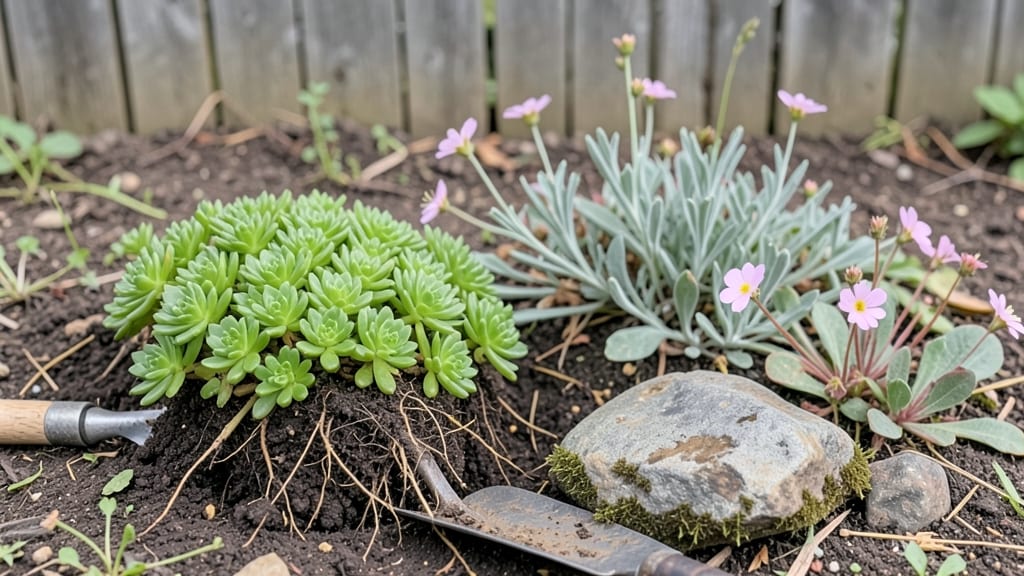
A dragonfly rock garden transforms your yard into a shimmering fairy-tale retreat where iridescent wings dart between mossy stones and delicate blooms. 🌿 I built mine after spotting dragonflies hovering over a neighbor’s blue-black hostas, and now my garden feels like a secret world—part botanical art, part wildlife haven.
The magic lies in balancing bold rocks with plants that attract dragonflies while keeping the look effortlessly natural.
Start with 3-5 large boulders as anchors, then layer smaller stones in winding paths that mimic dragonfly flight patterns. Plant bee balm, hostas, and coneflowers near water features—dragonflies love the moisture and nectar.
Blues and blacks create striking contrast against the garden’s greens, while adding a small statue or wind chimes enhances the whimsical vibe.
By summer, you’ll see dragonflies patrolling their territory, and your garden will buzz with life—literally. The combination of textured rocks, fragrant flowers, and moving water creates a scene straight out of a storybook. Plus, dragonflies keep mosquitoes away, so it’s a win for both beauty and function.
Works in any yard size, from a corner of your patio to a full backyard. The key is letting nature guide the details—just add the right elements, then step back and watch the magic unfold.
📚 In This Guide
- What you need
- Instructions
- Tips and common mistakes
- Wrapping up and next steps
What you need
- ● Rocks: 10–20 medium to large-sized rocks (smooth or irregular, 6–12 inches in diameter). Opt for slate, sandstone, or river rocks for a natural look.
- ● Dragonfly figurines: 3–5 ceramic or resin dragonflies (waterproof if near a pond). Choose sizes 3–6 inches for a whimsical touch.
- ● Soil: 2–3 cubic feet of well-draining potting mix or native soil (amend with perlite or sand for aeration).
- ● Moss or ground cover: 1–2 bags of sheet moss or creeping thyme for a lush, fairy-tale base.
- ● Gravel or pebbles: 1–2 bags of decorative pebbles (quartz or slate) in neutral tones for pathways or accents.
- ○ Water feature (optional but recommended): A small pond liner (5x5 ft), a solar fountain pump, or a shallow dish for a "magic pool" effect.
- ● Gardening tools: Trowel, hand shovel, and pruners for planting and trimming.
- ● Measuring tape & string: To outline your garden’s shape (aim for 3x4 ft or larger for drama!).
- ● Wheelbarrow or bucket: For hauling soil and rocks.
- ● Gloves & knee pads: Because fairy-tale building is hard work! 😉
- ● Prerequisites: A sunny or partially shaded spot (6+ hours of light/day for moss and dragonflies to thrive).
- ● Access to water for plants and the fountain (if included).
- ● Fairy lights or solar-powered LED strings for evening enchantment.
- ● Miniature bridges, toadstools, or wind chimes to enhance the fantasy theme.
- ● Dyes or natural stains (e.g., coffee for gray tones) to age rocks or pebbles.
- ● A small waterfall kit or bubbling rock feature for dynamic movement.
Step-by-Step instructions for crafting a dragonfly rock garden
Transform your outdoor space into a magical retreat with this enchanting design.
🪴 Step 1: Select and Prepare the Base Area
Choose a 4-foot by 4-foot flat or gently sloping area with partial shade—dragonflies prefer dappled sunlight that mimics their natural habitat. Clear all debris and weeds, then mark the boundaries with landscape spray paint. I like to outline the space with a 12-inch wide border of river rocks to create a defined edge that keeps the garden contained.
For drainage, lay down a 2-inch layer of coarse sand over the entire area. This prevents waterlogging, which can rot delicate plants and discourage dragonflies. Compact the sand lightly with a tamper or your boot to create a stable foundation. Here's the thing—skipping this step leads to soggy soil and unhappy plants, so don't rush it.
💧 Step 2: Layer Rocks for Natural Terrain
Start with the largest rocks (8-12 inches in diameter) as the base layer, arranging them in a way that creates natural-looking peaks and valleys. I like to place the biggest ones first, then fill the gaps with medium-sized rocks (4-6 inches) to build up the terrain. Leave some flat areas for seating stones or plant placement—these become the focal points of your garden.
Use smaller rocks (2-3 inches) to fill crevices and soften the edges. Arrange them so they mimic natural erosion, with some peeking out from under larger stones. This creates a sense of depth and movement. Water the rocks lightly with a spray bottle to settle any loose dust—this ensures they stay in place before planting begins.
🌱 Step 3: Plant Low-Growing, Dragonfly-Friendly Flora
Select 4-6 varieties of shade-tolerant plants that thrive in rocky conditions, such as creeping thyme, moss, ferns, and small hostas. Space them 6-12 inches apart, tucking them into the crevices between rocks. I dig small holes just deep enough to cover the roots, then gently firm the soil around them to eliminate air pockets.
Mulch the entire area with a 1-inch layer of fine gravel or decomposed granite to suppress weeds and retain moisture. Avoid organic mulch—it breaks down too quickly and can smother the delicate plants. Water the garden thoroughly after planting, but avoid soaking the rocks. You’ll know it’s right when the soil feels damp but not soggy.
✂️ Step 4: Add Whimsical Fairy-Tale Touches
Place miniature garden ornaments like tiny mushrooms, fairy doors, or dragonfly statues strategically among the rocks. I like to position them near flat surfaces or in clusters of three for a balanced look. Use weather-resistant materials like resin or metal to ensure they last seasons. Avoid overcrowding—less is more in a fairy-tale garden.
Add soft lighting with solar-powered fairy lights or small LED candles tucked into crevices. These create a magical glow at dusk and attract beneficial insects, including dragonflies. Test the placement during the day first—you’ll want the lights to illuminate the garden’s highlights without washing out the natural textures.
☀️ Step 5: Maintain and Enhance the Enchanted Vibe
Water the garden 2-3 times weekly, focusing on the soil around plants rather than the rocks. Dragonflies are drawn to moist environments, so a small shallow dish of water with pebbles for perching adds an extra touch. Keep the rocks clear of debris—sweep away leaves and twigs regularly to maintain the garden’s pristine, otherworldly feel.
Every 3-4 months, refresh the mulch and check for overgrown plants. Trim back any that spill over the rocks to keep the garden looking tidy. This is the moment that matters: a well-maintained dragonfly rock garden becomes a living fairy tale, inviting you to pause and imagine the magic hidden in plain sight.
Tips & tricks for perfect dragonfly rock garden design
Creating a truly enchanting dragonfly rock garden comes down to these thoughtful details that transform a simple arrangement into a magical fairy-tale retreat.
Rock Selection Matters: In Step 2, when choosing your 8-12 inch base rocks, prioritize smooth, rounded stones with interesting textures. Dragonflies are drawn to natural-looking environments, so avoid overly uniform or angular rocks. I source mine from local riverbeds or garden centers that specialize in natural stone—this creates that organic, untamed beauty we're aiming for. For the 4-6 inch mid-sized rocks, look for variations in color to add visual interest that mimics natural erosion patterns.
Plant Placement Strategy: When arranging your 4-6 varieties of shade-tolerant plants in Step 3, create visual layers by placing taller plants toward the back (like hostas) and shorter ground covers (like creeping thyme) in front. This mimics how plants grow naturally in woodland areas where dragonflies thrive. I like to leave small gaps between plants—about 6-8 inches—to allow air circulation, which prevents fungal issues and keeps your garden healthy for longer.
Lighting Placement: For Step 4's soft lighting, position your solar-powered fairy lights or LED candles to highlight the garden's focal points rather than illuminating the entire space. I recommend placing lights near the flat seating areas you created in Step 2, as well as around your miniature ornaments. Test the placement during daylight hours to ensure the lights create a natural glow rather than washing out the textures. Pro tip: Use warm white lights (2700K) to enhance the magical ambiance without overpowering the natural colors.
Maintenance Shortcuts: To simplify the 3-4 month maintenance mentioned in Step 5, I recommend installing a small drip irrigation system around your plants. This delivers consistent moisture without the risk of overwatering that comes with hand-watering. For the 2-3 weekly waterings, I set a timer on my phone as a reminder—this ensures I don't forget while still allowing flexibility for rainier days. A quick weekly sweep with a leaf blower keeps debris under control without the effort of hand-sweeping.
Pro Tips for Dragonfly Rock Garden
- Creating a truly enchanting dragonfly rock garden comes down to these thoughtful details that transform a simple arrangement into a magical fairy-tale retreat.
- Rock Selection Matters: In Step 2, when choosing your 8-12 inch base rocks, prioritize smooth, rounded stones with interesting textures.
- This mimics how plants grow naturally in woodland areas where dragonflies thrive.
Frequently asked questions
about creating your dream dragonfly rock garden—because even fairy-tale landscapes need a little troubleshooting!What’s the best time of year to start a dragonfly rock garden?
The ideal time is early spring or fall when temperatures are mild. Avoid extreme heat (which dries out plants) or frost (which can damage delicate rocks). If you’re in a warm climate, late winter is perfect for planting drought-tolerant succulents and mosses.
How often should I water a dragonfly rock garden?
Watering depends on your climate, but aim for 1–2 times per week during the first month to help roots establish. After that, every 10–14 days (or when the soil feels dry). Use a drip irrigation system or soaker hose to avoid disturbing rocks and plants.
Can I use regular garden soil, or do I need special mix?
Regular soil can work, but a well-draining mix (like cactus/succulent blend or 60% potting soil + 40% perlite/sand) prevents root rot. For mossy areas, add peat moss or coconut coir to retain moisture. Avoid heavy clay!
Why aren’t dragonflies visiting my garden?
Dragonflies love water sources—add a shallow dish, small pond, or even a bamboo fountain. Plant native grasses, sedges, or wildflowers nearby for food. Avoid pesticides, as they harm dragonfly larvae and adults. Patience helps too—they may take a few weeks to discover their new haven!
What’s a budget-friendly alternative to expensive decorative rocks?
Try local river rocks, lava rock, or even broken pottery (sterilized first!) for texture. Visit construction sites (with permission) for free gravel or crushed stone. For a whimsical touch, paint smooth stones with non-toxic acrylic paint to mimic dragonfly wings or fairy motifs.
Wrapping up and next steps
A dragonfly rock garden isn’t just a landscaping project—it’s a magical escape where nature’s beauty meets creativity. Whether you’re a hobbyist or a seasoned gardener, these whimsical spaces bring joy, tranquility, and a touch of fairy-tale charm to any outdoor area. 🌿✨
Ready to transform your backyard? Start small—sketch a design, gather your materials, and let your imagination take flight. Your enchanted garden awaits!