
Tools
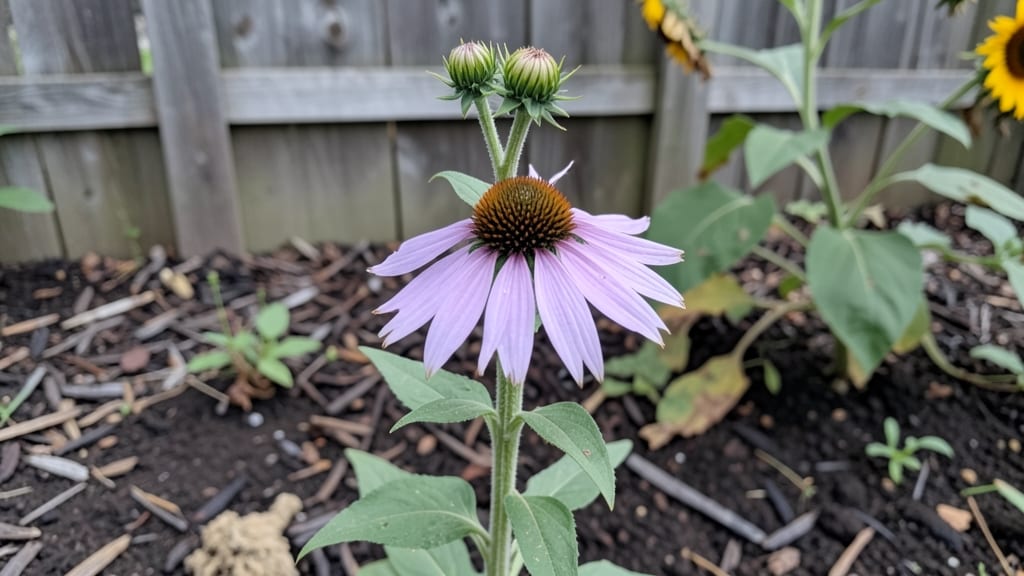
Echinacea plants in your garden aren’t just pretty—they’re the pollinator powerhouses that turn your yard into a buzzing, blooming hotspot from early summer through frost. 🌻 I’ll never forget the first time I planted them along my front walkway and watched monarch butterflies land like they owned the place.
The deep pink cones stand out against any backdrop, and they keep producing flowers even when other perennials have given up.
These hardy plants thrive in full sun to part shade, making them perfect for borders, wildflower meadows, or even container gardens on patios. Pair them with lavender for a purple-and-pink dream combo, or plant near coneflowers for a nonstop bloom show.
They’re drought-tolerant once established, so they won’t demand your attention like finicky annuals—just give them well-draining soil and occasional deadheading to encourage more flowers.
By mid-summer, your garden will feel alive with bees, butterflies, and hummingbirds all competing for nectar. The flowers even last beautifully in vases, so you get double the enjoyment.
Whether you’re designing a pollinator paradise or just want low-maintenance color, echinacea delivers—without the fuss. Let’s get those roots in the ground!
Bonus: They come back bigger and better every year, so you’ll save money and effort over time. Perfect for beginners or seasoned gardeners looking to add effortless beauty with a purpose. Now, where’s that shovel?
📚 In This Guide
- What you need
- Instructions
- Tips and common mistakes
- Wrapping up and next steps
What you need
- ● Echinacea plants: Seeds: 10–20 seeds (or 1 packet for small gardens)
- ● Transplants: 3–5 mature plants (check local nursery for Echinacea purpurea, E. pallida, or E. paradoxa varieties)
- ● Well-draining soil: Amend with compost (5–10 lbs per planting area) for nutrient-rich, slightly acidic soil (pH 6.0–7.0).
- ● Sunlight access: Full sun (6+ hours/day) for optimal blooms.
- ● Watering supplies: Garden hose with adjustable nozzle or drip irrigation system.
- ● Gardening tools: Trowel or hand shovel (for transplanting)
- ● Garden gloves (to protect hands from thorns)
- ● Pruning shears (for deadheading and shaping)
- ○ Mulch (optional): 2–3 inches of organic mulch (straw or shredded bark) to retain moisture and suppress weeds.
- ○ Stakes or supports (optional): For tall varieties (E. paradoxa) to prevent flopping in wind.
- ● Choose a planting location with well-draining soil (avoid soggy spots!).
- ● Check your frost dates—plant seeds after the last frost (or start indoors 8–10 weeks before spring).
- ● Ensure your garden has low-maintenance space—echinacea thrives with minimal fuss!
Step-by-Step guide to planting and maintaining echinacea for season-long blooms
Here’s how to establish echinacea that thrives through seasons, drawing in pollinators while minimizing fuss.
🌱 Step 1: Select the Perfect Planting Site
Echinacea thrives in full sun—at least 6 hours daily—and well-draining soil. I always choose a spot with morning sun and afternoon shade in hotter climates to prevent leaf scorch. Test soil drainage by digging a hole, filling it with water, and watching how quickly it drains; if water lingers after 30 minutes, amend with 2-3 inches of compost to improve texture.
This perennial loves slightly alkaline soil with a pH of 6.5-7.5. You’ll know you’ve picked the right spot when the area stays dry between waterings and receives consistent sunlight exposure. Avoid low-lying areas where water pools after rain—echinacea roots rot easily in soggy conditions.
🪴 Step 2: Plant with Proper Spacing and Depth
Dig a hole twice as wide as the echinacea root ball but only as deep as the container it came in. Gently remove the plant, loosen any circling roots, and place it in the hole so the top of the root ball sits level with the surrounding soil. I always tap the sides of the hole lightly to settle the soil before backfilling—this prevents air pockets that can suffocate roots.
Space plants 18-24 inches apart to allow airflow and reduce fungal diseases like powdery mildew. For a fuller look, plant 3-4 plants per cluster in a loose triangle formation. Water deeply after planting to encourage root expansion into the surrounding soil. You’ll see new growth within 7-10 days if conditions are right.
☀️ Step 3: Water and Fertilize for Strong Growth
Water echinacea once a week during the first growing season, providing 1-1.5 inches of water per week. Let the top 2 inches of soil dry out between waterings to prevent root rot. Once established, echinacea becomes drought-tolerant, but you’ll notice vibrant blooms when watered consistently.
Apply a balanced, slow-release fertilizer (10-10-10) in early spring at half-strength. I avoid high-nitrogen fertilizers—they encourage leafy growth at the expense of flowers. Instead, focus on phosphorus and potassium to support blooming. You’ll know fertilization is working when stems thicken and foliage stays deep green.
✂️ Step 4: Deadhead and Prune for Prolonged Blooms
Remove spent blooms by cutting the stem just above the first set of healthy leaves below the flower head. This encourages the plant to produce more buds for extended blooming. I deadhead every 2-3 weeks throughout the season, always using clean, sharp pruners to avoid spreading disease.
In late fall or early spring, cut back the previous year’s stems to 3-4 inches above the ground. This removes dead foliage and redirects energy to new growth. You’ll see fresh shoots emerge within 2-3 weeks of pruning, signaling the plant’s readiness for another blooming season.
⏰ Step 5: Winter Care for Next Year’s Growth
Echinacea is hardy in USDA Zones 3-9, but in colder regions, mulch the base with 2-3 inches of shredded leaves or straw after the first hard frost. This insulates roots and prevents heaving during freeze-thaw cycles. I always remove old mulch in early spring to avoid smothering new shoots.
Watch for new growth in early spring—this is your cue to remove old mulch and apply a fresh layer of compost. You’ll notice buds forming by late spring, with full blooms appearing in mid-to-late summer, depending on your climate. With proper care, echinacea will reward you with years of low-maintenance beauty.
Tips & tricks for perfect echinacea planting and maintenance
A few simple strategies will help you avoid common pitfalls and maximize those stunning season-long blooms.
Soil Test First: Before planting, grab a soil test kit from your local garden center to confirm your pH is between 6.5-7.5. I learned this the hard way—my first batch of echinacea struggled because my soil was too acidic. If your test shows pH below 6.5, sprinkle dolomitic lime according to package instructions and wait 2-3 months before planting. The 30-minute drainage test in Step 1 is crucial, but don't skip the pH check!
Root Ball Prep: When you receive your echinacea, give the root ball a good soak in water for 10-15 minutes before planting. This helps prevent transplant shock and ensures the roots are fully hydrated when you place them in the ground. I also like to trim any circling roots gently with clean pruners—this encourages outward growth rather than the roots growing in circles around the root ball.
Mulching Strategy: The 2-3 inches of mulch mentioned in Step 5 serves two purposes: insulation and weed suppression. For even better results, apply mulch after the soil has warmed in spring (when you see new growth) and again after the first hard frost. I use straw because it breaks down slowly and adds organic matter to the soil as it decomposes. Avoid thick mulch layers—more than 3 inches can suffocate roots and attract pests.
Deadheading Technique: When deadheading every 2-3 weeks in Step 4, use clean, sharp pruners to make a clean cut just above the first set of healthy leaves. This precise cut prevents disease entry points and stimulates new flower buds. I've found that deadheading in the morning gives flowers the whole day to dry out, reducing the risk of fungal infections. Always sterilize your pruners with rubbing alcohol between cuts for extra protection.
Pro Tips for Echinacea In Garden
- A few simple strategies will help you avoid common pitfalls and maximize those stunning season-long blooms.
- Soil Test First: Before planting, grab a soil test kit from your local garden center to confirm your pH is between 6.5-7.5.
- Root Ball Prep: When you receive your echinacea, give the root ball a good soak in water for 10-15 minutes before planting.
Frequently asked questions
Got questions about growing echinacea in your garden?
Here are some of the most common ones—plus straightforward answers to help you cultivate these pollinator magnets with ease!
When is the best time to plant echinacea?
Plant echinacea in early spring or fall for the best results. This gives roots time to establish before extreme summer heat or winter frost. If you're transplanting, water deeply after planting to reduce shock. Pro tip: Avoid planting in late summer—it can stress the plant before winter.
How do I keep echinacea blooming all season?
Deadhead spent blooms regularly (remove faded flowers) to encourage continuous blooming from early summer to frost. Also, fertilize lightly in spring with a balanced, low-phosphorus fertilizer (like 5-10-5) to support vibrant growth. Bonus: Mulch around the base to retain moisture and deter weeds.
Why aren’t my echinacea plants flowering?
Common culprits include over-fertilizing (too much nitrogen), poor sunlight (they need 6+ hours of sun daily), or crowded roots. If your plant is leggy or leafy with no blooms, try trimming back foliage in early spring to redirect energy to flowers. Check: Are they in well-draining soil?
Can I grow echinacea in containers?
Choose a large container (at least 12 inches deep) with drainage holes and use a lightweight potting mix. Dwarf varieties like ‘White Swan’ or ‘Hot Papaya’ thrive in pots. Just water consistently—containers dry out faster than garden beds. Tip: Move pots to a sheltered spot in winter if temps drop below 20°F.
What are some low-maintenance alternatives to echinacea?
If echinacea seems too high-maintenance, try these pollinator-friendly perennials:
- Black-eyed Susan (Rudbeckia) – Drought-tolerant and long-blooming.
- Coneflower (Echinacea’s cousin, Rudbeckia hirta) – Similar care, even more resilient.
- Russian Sage (Perovskia) – Thrives in poor soil and attracts bees.
- Bee Balm (Monarda) – Loves moisture but repels deer.
Wrapping up and next steps
Incorporating echinacea into your garden isn’t just about adding striking purple blooms—it’s a gift to your local pollinators and a low-maintenance way to boost your garden’s beauty year-round. 🌸 Whether you’re a seasoned gardener or just starting out, these hardy plants offer resilience, color, and ecological benefits with minimal effort.
Ready to take the next step? Start by choosing your favorite variety, picking the perfect spot in your garden, and giving these pollinator powerhouses the care they thrive on. Your garden—and the bees—will thank you!