Tools
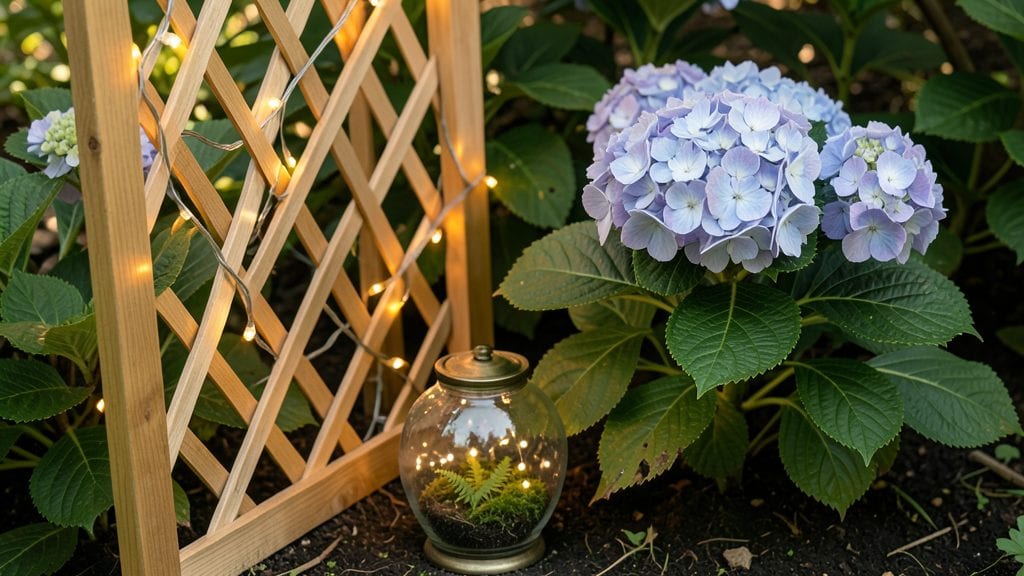
Creating an enchanted garden colors collection is about more than just picking pretty blooms—it’s about crafting a living canvas that shifts with the sun, seasons, and even your mood.
Imagine stepping into your garden at dawn, dusk, and noon—each time revealing a different magical palette that dances with sunlight and shadows.
The Enchanted Garden Colors Collection 🌸 isn’t just a static display; it’s a dynamic experience where lavender turns silver in the afternoon, hydrangeas blush pink in morning light, and silver foliage glows under moonlight.
This isn’t just gardening—it’s storytelling. The right plants layered together can turn your yard into a seasonal mood board, where every visit feels like a new chapter.
Whether you’re chasing a dreamy cottage vibe or bold, high-contrast drama, the key is understanding how light and plant choices work together to create that "enchanted" effect.
Below, I’ll show you how to mix spring blooms, summer foliage, and autumn tones to make your garden feel like a living painting—one that changes with every hour of the day. Ready to transform your outdoor space into a magical retreat?
How light transforms garden colors: the science behind season-long palettes
Light isn’t just the backdrop for your garden—it’s the magic wand that transforms colors from subtle to stunning. The angle of sunlight shifts hues dramatically throughout the day, while seasonal light intensity alters how plants express their true colors.
Ever noticed how lavender blooms glow silver at noon but deepen to purple at dusk? That’s light working its alchemy. Understanding these color transformations lets you design a garden that feels different every time you visit.
Plants themselves play a role in this living color show. Deciduous foliage like maple leaves changes with sunlight exposure, while evergreens maintain their hues year-round but shift in brightness. Even hydrangeas adjust their blue or pink tones based on soil pH and sunlight hours.
By strategically placing plants, you can create a season-long mood board that evolves with nature’s light.
🌿 comparison-table
| Plant Type | Morning Light Effect | Noon Light Effect | Evening Light Effect | Seasonal Shift |
|---|---|---|---|---|
| Lavender (Lavandula) | Soft lavender | Silver-blue glow | Deep purple | Brighter in summer |
| Hydrangea (Hydrangea macrophylla) | Pale blue | Vibrant blue/pink | Soft pink | Color shifts with pH |
| Japanese Maple (Acer palmatum) | Deep green | Bronze-red | Fiery orange | Autumn gold |
| Coleus (Plectranthus scutellarioides) | Muted tones | Vibrant stripes | Deepened colors | Year-round shifts |
| Sunflower (Helianthus annuus) | Soft yellow | Golden glow | Rich amber | Brighter in full sun |
The angle of sunlight during the day creates a spectrum of colors that can turn your garden into a living painting. Morning light, for example, casts a cool blue tint that enhances pastels like peony blooms and silver foliage.
By midday, the warm golden light intensifies yellows and oranges, making black-eyed Susans and marigolds pop. At dusk, the soft pink and purple hues of evening light make clematis and wisteria appear almost magical.
Seasonal changes also play a crucial role. In spring, when sunlight is gentler, colors like soft pinks and lilacs dominate. By summer, the intense sunlight brings out deep reds and vibrant yellows, while autumn’s lower sun angle enhances fiery oranges and burnt umbers.
Even in winter, evergreens like holly and pine retain their color but appear richer due to the harsh contrast with bare branches.
To harness this natural color magic, start by mapping your garden’s light exposure. Place cool-toned plants like hostas and heucheras in morning sun areas, while warm-toned plants like daylilies and coneflowers thrive in afternoon light. For a moonlit effect, incorporate
12 Magical plant combinations that shift colors with the seasons
Creating an enchanted garden isn’t about choosing one perfect color—it’s about crafting a living color palette that evolves with the sun’s journey and seasonal shifts. The right plant pairings can make your garden glow like a fairy-tale tapestry, changing from soft morning blues to fiery evening golds.
I’ve curated combinations that work together across all four seasons, ensuring your garden never looks the same twice.
Key to these pairings is understanding how light spectrums interact with plant pigments. For example, purple foliage deepens in shade but lightens in full sun, while silver-blue leaves shimmer brightest at dawn.
By layering plants with contrasting textures—like fuzzy lamb’s ear next to glossy hosta—you’ll add depth that makes colors pop at every hour of the day.
🌿 Enchanted Color Shifts by Light & Season
- Morning Magic: Blue hydrangeas + silver artemisia – Start the day with cool, ethereal tones that glow in early sunlight.
- Noon Glow: Golden black-eyed susans + deep red beebalm – Warm hues intensify under midday rays, creating a sun-drenched contrast.
- Evening Enchantment: Purple salvia + chartreuse coleus – Twilight turns these plants into moonlit jewels, their colors deepening as shadows lengthen.
- Winter Sparkle: Crimson winterberry + silver eucalyptus – Berries and frost-kissed foliage create a holiday wonderland effect.
- Spring Awakening: Pink azaleas + chartreuse heuchera – Delicate blooms paired with lime-green leaves signal renewal.
- Summer Drama: Black monarda + orange canna lilies – Bold contrasts make this combo a sunset-inspired showstopper.
- Autumn Fires: Fiery maple leaves + golden sedum – Warm tones intensify as cooler air enhances their natural pigments.
- Texture Trick: Pair glossy hosta with fuzzy lamb’s ear – The contrast makes colors leap off the page (or garden bed!).
- Height Layers: Plant tall delphiniums behind low creeping thyme – Creates dimensional depth that shifts as you walk through.
- Fragrance Boost: Add lavender or jasmine to any combo – Their scented blooms amplify the magical atmosphere.
- Seasonal Swap: Replace spring bulbs with moonflowers in summer – They glow under moonlight, extending your garden’s enchantment.
- Light Reflector: Place white dahlias near dark basil – The color contrast makes both appear brighter.
To make these combinations work, start by mapping your garden’s light zones. For example, place blue lobelia in morning shade where it will deepen as dew evaporates, then pair it with yellow coreopsis for a noon-time pop.
In afternoon sun, red begonias will intensify their hue, while nearby silver foliage will sparkle.
Don’t forget to rotate seasonal plants—swap spring bulbs for summer annuals that glow in twilight, like evening primrose or moonflower. This keeps your garden’s color shifts dynamic year-round.
Even a simple addition like white gravel or a mirrored planter can amplify these effects by reflecting light and enhancing colors.
Pro tip: Mulch with dark bark to make pastel plants stand out, or use light-colored mulch to make deep hues appear richer. The right mulch choice can elevate your entire color scheme with minimal effort.
The secret to an enchanted garden lies in layering—not just colors, but textures, heights, and light interactions. When you combine these elements, your garden will feel like a living painting that changes with every step and season. 🌸