Landscaping
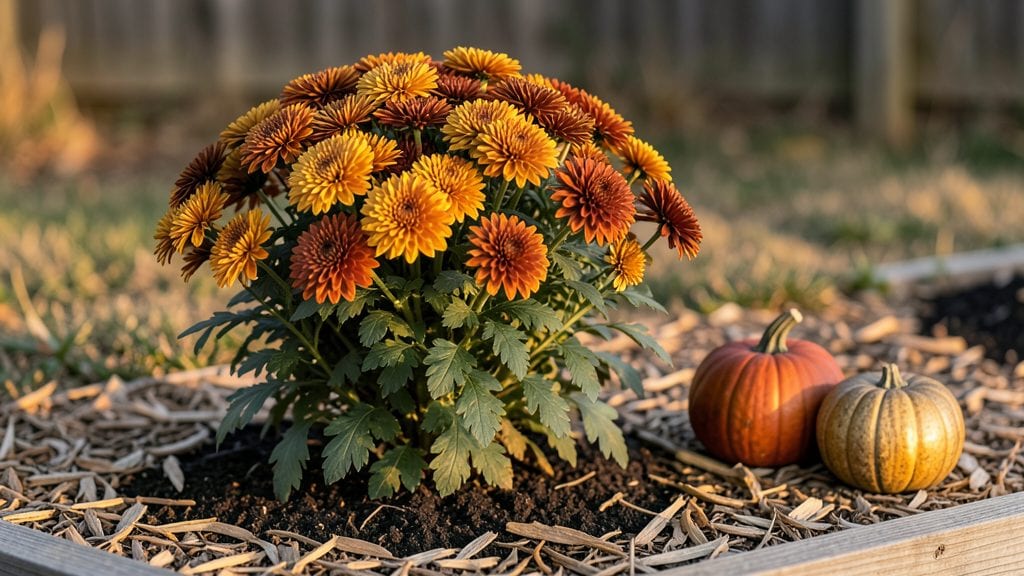
Fall garden design transforms your yard into a cozy retreat when leaves turn fiery and the air carries crisp hints of cinnamon. I’ve designed autumn gardens that feel like a warm embrace—layering deep oranges, rich burgundies, and golden yellows with plants that thrive when temperatures dip.
The secret isn’t just picking pretty colors; it’s choosing plants that hold their structure through frost and even into winter.
You don’t need a massive space to create impact—just a few key elements. Start with hardy perennials like sedum and ornamental grasses for texture, then add seasonal stars like mums, asters, and smoky purple salvia for color.
Throw in some pumpkins or gourds for instant harvest charm, and you’ve got a garden that’s both beautiful and functional. Even vegetables like kale and Swiss chard add edible pops of color while keeping the space productive.
By late October, your garden will be bursting with life—velvety foliage, fragrant blooms, and the satisfying crunch of fallen leaves underfoot. The best part? These plants require minimal fuss once established, so you spend more time enjoying the view than fussing over maintenance.
Plus, you’ll extend your growing season and prepare the space for winter with ease.
Whether you’re going for a rustic harvest theme or a sleek modern border, these ideas adapt to any style. The key is balancing structure with seasonal flair—so your garden stays stunning even as the days grow shorter. Ready to make your yard the coziest spot on the block?
📚 In This Guide
- What you need
- Instructions
- Tips and common mistakes
- Wrapping up and next steps
What you need
- ● Plants: Perennials (e.g., Heuchera, Sedum, Astilbe) – 3–5 per variety
- ● Bulbs (e.g., Daffodils, Tulips, Crocus) – 10–20 per type
- ● Ornamental grasses (e.g., Miscanthus, Pennisetum) – 2–4 clumps
- ● Shrubs (e.g., Hydrangea, Viburnum) – 1–2 per variety
- ● Fall foliage (e.g., Japanese Maple, Smoke Bush) – 1–3 plants
- ● Mulch: 2–3 bags of shredded cedar or pine straw (1–2 cubic yards total)
- ● Soil Amendments: Compost or peat moss (1–2 bags)
- ● Hand trowel – 1 medium-sized
- ● Garden gloves – 1 pair (waterproof preferred)
- ● Pruners – 1 pair (bypass pruners for clean cuts)
- ● Garden fork – 1 heavy-duty
- ● Wheelbarrow – 1 (for hauling materials)
- ● Hose with nozzle – 1 (for watering)
- ○ Optional (but helpful!): String line & stakes (for layout)
- ● Knee pads (for comfort)
- ● Garden kneeler (for easy access)
- ● Soil pH tester (to check plant compatibility)
- ● Sunlight assessment – Note full sun, partial shade, or full shade areas in your yard.
- ○ Soil test – Check drainage and pH (optional but recommended).
- ● Sketch or plan – Rough layout of where plants, paths, and features will go.
- ● Weather check – Aim to plant before the first frost for best results!
Instructions for crafting a cozy fall garden design
Here’s how to create a garden that bursts with autumn’s warmth using simple, effective techniques.
Plan Your Color Palette and Plant Placement
Start by sketching a rough layout of your space, noting areas that receive full sun, partial shade, and full shade. Fall gardens thrive with warm hues like burnt orange, deep red, golden yellow, and rich purple. I like to group plants by color intensity—place bold shades like burgundy asters or fiery maple leaves near seating areas, while softer tones like cream-colored sedum or lavender can soften edges.
Use the 3-tone rule: select one dominant color (like mustard yellow), one complementary shade (deep rust), and one neutral (silver foliage or gray-green ornamental grasses) to create harmony. This prevents visual clutter and makes maintenance easier. For example, pair golden barberry with burgundy heuchera and silver lamb’s ear for instant autumnal contrast.
Layer Plants for Depth and Texture
Begin with tall plants—like ornamental grasses or late-blooming perennials such as black-eyed Susans—as your backbone. These should reach 3-4 feet and anchor the design. Next, add mid-height plants like sedum or Russian sage at 18-24 inches to fill gaps and create movement. Finally, tuck in low-growing ground covers like creeping thyme or ajuga to soften the base and suppress weeds.
Space plants based on their mature size, not their current size. Crowding leads to competition for nutrients and light, which weakens fall blooms. For example, if a plant label says it grows 2 feet wide, space it 18 inches apart to allow airflow and prevent disease. Mulch with 2-3 inches of shredded bark around each plant to retain moisture and regulate soil temperature.
Incorporate Seasonal Accents and Structures
Add seasonal accents like pumpkins, gourds, or dried wheat stalks in clusters of three or five for balance. Place them near seating areas or along pathways where they’ll catch the eye. For structures, consider a small arch made of bamboo or a trellis draped with Virginia creeper—both add vertical interest and frame views beautifully. A rustic wooden bench or stone planters can tie the space together while providing functional seating.
Lighting is key for evening charm. Use solar-powered path lights or string lights wrapped around trees to highlight textures. Place lights at ground level to illuminate foliage and create a warm, inviting glow after sunset. Avoid overlighting—just enough to guide footsteps and showcase the garden’s natural beauty.
Maintain and Refresh Through the Season
Remove spent blooms regularly to encourage new growth and keep the garden looking tidy. Cut back perennials like coneflowers or black-eyed Susans after they’ve finished blooming to redirect energy into next year’s growth. For evergreens, prune lightly to maintain shape and remove any brown or damaged branches. This keeps the garden looking vibrant even as temperatures drop.
Add a final touch with 2-3 inches of mulch in late fall to protect roots from freezing temperatures. Choose a mulch that complements your color scheme—like cinnamon-colored straw or dark brown wood chips—to tie the season together. Water deeply once a week if rainfall is scarce, focusing on the root zones of plants to encourage deep root growth before winter.
Tips & tricks for perfect fall garden design
Creating a stunning fall garden isn't just about planting—it's about understanding how each element plays together. Here are the key insights I've learned to elevate your autumn landscape.
Color Harmony Beyond the Basics: When applying the 3-tone rule from Step 1, consider adding subtle metallic accents like copper pots or silver foliage to amplify your color scheme. These reflective surfaces catch the light differently in fall's shorter days, making your colors pop even more. I've found that placing a copper planter near your dominant color creates a stunning focal point that ties the whole garden together.
Plant Spacing Secrets: The 18-inch spacing for plants that grow 2 feet wide in Step 2 might seem generous, but trust me—it's worth it. This spacing prevents competition that can weaken fall blooms by allowing each plant to access sunlight and nutrients. I've seen gardens where plants were crowded, and by October, the center plants were struggling while the outer ones thrived. Give them room to shine!
Seasonal Accents with Purpose: When arranging pumpkins and gourds in Step 3, think about their scale relative to your plants. A single large pumpkin near a small bench creates a beautiful contrast, while clusters of mini pumpkins add texture to borders. I like to place them in odd-numbered groups (3 or 5) near seating areas so they become conversation pieces while still feeling natural in the landscape.
Lighting Layering Technique: The ground-level lighting mentioned in Step 3 works best when layered. Start with solar-powered path lights to define walkways, then add string lights wrapped around tree trunks or shrubs to create vertical interest. For extra warmth, place a few lanterns near seating areas. The key is to create light levels—dim paths, medium illumination for plants, and bright spots for focal areas. This creates depth and guides the eye through your garden after sunset.
Pro Tips for Fall Garden Design
- Creating a stunning fall garden isn't just about planting—it's about understanding how each element plays together.
- Color Harmony Beyond the Basics: When applying the 3-tone rule from Step 1, consider adding subtle metallic accents like copper pots or silver foliage to amplify your color scheme.
- Plant Spacing Secrets: The 18-inch spacing for plants that grow 2 feet wide in Step 2 might seem generous, but trust me—it's worth it.
Frequently asked questions
Got questions about creating a stunning fall garden design? You’re not alone! Here are some of the most common queries—and their answers—to help you craft a cozy, autumn-inspired outdoor space with ease.
When is the best time to start planning a fall garden?
Ideally, begin designing your fall garden now—late summer to early fall (August through September). This gives you time to research plants, order bulbs, and prep your soil before cooler weather sets in. If you’re working with perennials or shrubs, early fall planting (after the first frost) can also give roots time to establish before winter.
What are the easiest low-maintenance plants for fall?
Opt for hardy, low-maintenance plants like mums (chrysanthemums), sedum, ornamental grasses, and pansies. These thrive in fall colors, require minimal upkeep, and often survive light frosts. Pair them with evergreens (e.g., boxwood or holly) for year-round structure with almost no fuss!
How can I add warmth to my fall garden on a budget?
Warm tones don’t have to break the bank! Use affordable mulch (straw or shredded leaves in reds/oranges), paint old containers in deep burgundy or mustard yellow, or swap out a few high-maintenance perennials for fall-blooming bulbs (like crocus or daffodils). Repurposed items—like wooden pallets or vintage lanterns—also add texture and charm.
Will my fall plants survive the first frost?
Most fall plants are frost-tolerant, but timing matters! Hardy annuals (like pansies) and perennials (e.g., asters) can handle light frosts, while tender plants (like tropical flowers) should be moved indoors or mulched heavily. Monitor your local frost dates and cover delicate plants with frost cloth if needed. A thick layer of mulch also insulates roots.
Can I mix fall flowers with evergreens for year-round interest?
Evergreens (like pine, juniper, or boxwood) provide structure and contrast against fall blooms. Try pairing them with goldenrod, coneflowers, or heuchera for a dynamic mix. Just ensure your evergreens are disease-resistant and pruned lightly in early spring to avoid winter damage.
Wrapping up and next steps
Designing your fall garden is all about embracing the season’s warmth and coziness—whether through rich hues, textured foliage, or seasonal blooms. With the right plants, materials, and a touch of creativity, you can craft a space that feels inviting and effortlessly stylish. 🍂
Now that you’re inspired, take the next step: sketch a simple layout or gather a few key plants to start small. Even tiny changes—like swapping out summer annuals for mums or adding a cozy fire pit—can transform your outdoor space into a fall haven. Happy gardening!