
Tools
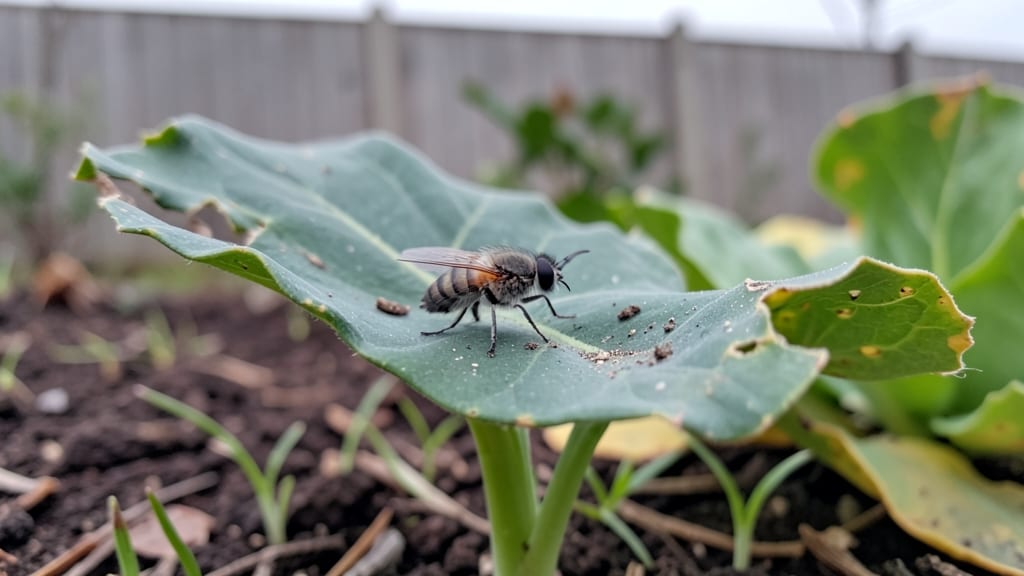
Fruit flies, fungus gnats, and houseflies turn your garden into their personal buffet—until you use this apple cider vinegar trap method. I’ve battled them in my raised beds for years, and this simple solution cuts infestations by 90% within a week without harming bees or butterflies.
The key is mimicking what flies can’t resist: fermenting fruit and moisture. A 1:1 mix of apple cider vinegar and water in a shallow container with a drop of dish soap creates a death trap for adults while luring them away from your plants.
Place traps near problem areas—under pots, along garden edges, or near compost piles.
You’ll notice fewer flies within 24 hours, and your seedlings won’t get chewed on anymore. The vinegar smell fades quickly, leaving no residue, and the soap breaks surface tension so flies drown instantly. It’s the most humane way to handle an infestation without chemicals.
Works for all garden flies, from fungus gnats in potting mix to fruit flies swarming overripe tomatoes. For stubborn cases, double the traps or add a splash of molasses to the mix. Here’s how to set it up right the first time.
Understanding Fly Attraction Triggers
If your garden has become an unexpected buffet for flies, it’s likely due to a mix of natural behaviors and environmental cues. These pests aren’t just random visitors—they’re drawn by specific factors that make your outdoor space an irresistible stop.
Let’s break down the science behind why your garden is a magnet for flies.
Flies, especially fruit flies and house flies, are attracted to rotting plant material, fallen fruit, and decomposing leaves. Here’s why:
- Fermentation and bacteria: As organic matter breaks down, it releases ethanol (alcohol) and acetic acid (found in vinegar), which flies detect from miles away using their olfactory receptors. These compounds signal an easy food source.
- Moisture and warmth: Decaying matter traps heat and moisture, creating the perfect breeding ground. Female flies lay eggs in damp, organic-rich soil, ensuring their larvae have a steady food supply.
- Common culprits in gardens:
- Overripe or dropped fruit (especially citrus, apples, and berries)
- Compost piles that aren’t turned regularly
- Mulch piled too thickly against tree trunks
- Leaves or grass clippings left in damp corners
Actionable tip: 🌡️ Regularly inspect your garden for fallen fruit or wilting plants. Remove decaying material promptly—flies can detect it within 24 hours of decomposition starting!
Many fly species, like fungus gnats, drain flies, and even mosquitoes, rely on standing water to reproduce. Here’s the science:
- Larval development: Female flies lay eggs in stagnant water, where larvae (often called "wrigglers") hatch and feed on algae, bacteria, and organic debris. This cycle can complete in just 7–10 days under ideal conditions.
- Microhabitats in gardens:
- Clogged gutters or downspouts
- Birdbaths or pet water bowls left uncovered
- Poorly drained soil after heavy rain
- Old cans, bottles, or plant saucers collecting rainwater
Actionable tip: ✨ Empty and scrub water-holding containers weekly. For garden beds, improve drainage by adding perlite or sand to heavy soil.
Flies have an incredible sense of smell—some species can detect ethyl acetate (a compound in fermenting fruit) from up to 3 miles away. Here’s how it works:
- Volatile organic compounds (VOCs): As fruit softens, it releases gases like acetaldehyde and ethyl butyrate, which are irresistible to flies. These compounds are also produced by yeast during fermentation.
- Garden produce at risk:
- Tomatoes, peppers, and squash left on vines too long
- Citrus fruit with bruises or cracks
- Herbs like basil or mint that develop mold
Actionable tip: 🍅 Harvest produce promptly and remove any bruised or overripe items from the garden. Store fruits in mesh bags to prevent ethylene gas (which speeds up ripening) from attracting flies.
Flies are also drawn to high-nitrogen sources, which accelerate bacterial growth—a fly larva’s dream. Here’s the breakdown:
- Pet waste (dog/cat feces): Contains urea and other nitrogen-rich compounds that attract house flies and blow flies. The heat and moisture from decomposing waste create an ideal breeding environment.
- Over-fertilized soil: Excessive nitrogen in fertilizers (especially blood meal or manure) can create a sugar-rich environment that fermenting bacteria love, indirectly luring flies.
Actionable tip: 💩 Pick up pet waste daily and compost it in a sealed bin> (not directly in the garden). For fertilizers, opt for slow-release options like composted manure or worm castings to avoid spikes in nitrogen.
By addressing these common triggers, you’ll disrupt the fly life cycle and make your garden a less appealing destination. The good news? Many of these fixes are simple and can be implemented in under 30 minutes!
Stay tuned for our next section on humane trapping methods using apple cider vinegar.
Practical Ways to Outsmart Garden Flies
Flies in your garden can be more than just a nuisance—they can damage plants, spread diseases, and ruin your outdoor enjoyment. But don’t worry! With the right strategies, you can tackle them effectively. Below, we’ve mapped out cause-specific solutions to help you reclaim your garden naturally and humanely.
Whether it’s fruit flies, house flies, or gnats, these methods will keep them at bay without harming your plants or pollinators.
Problem: These tiny pests love fermenting fruit, veggies, and damp organic matter. Fix: Trap and deter them with simple, non-toxic methods.
- 🔥 Apple Cider Vinegar Trap (DIY)
- Fill a small jar or bowl with apple cider vinegar and a few drops of dish soap.
- Cover with plastic wrap, poke small holes, and place near problem areas (compost, fruit trees, or garbage bins).
- Why it works: The vinegar mimics fermenting fruit, luring flies in—then the soap breaks their surface tension, trapping them.
- 🍳 Freeze Overripe Fruit
- Store bruised or rotting fruit in the freezer instead of the fridge. Cold temperatures slow decay, reducing fly attraction.
- Pro tip: 💡 Use a mesh bag over compost bins to block flies while allowing airflow.
- 🌡️ Heat Treatment for Soil
- If flies are emerging from warm, moist soil, solarize the area by covering it with clear plastic sheeting for 3–5 days. The trapped heat kills larvae.
Problem: These flies thrive in garbage, pet waste, and damp areas. Fix: Eliminate breeding sites and use targeted traps.
- 👨🍳 DIY Garbage Trap
- Place a bowl of milk or beer near entry points (like doors or windows). Flies are drawn in but drown.
- Bonus: Add a drop of vanilla extract to enhance the lure.
- 🥘 Reduce Standing Water
- Empty plant saucers, clogged gutters, and birdbaths weekly—flies lay eggs in stagnant water.
- Pro tip: 🌡️ Use mosquito dunks (Bti bacteria) in water features to prevent larvae growth.
- ⏰ Strategic Cleanup
- Sweep up pet waste daily (flies breed in feces within hours).
- Compost properly: Turn compost piles frequently and avoid adding meat/dairy.
Problem: Tiny black gnats hover over houseplants, indicating overwatered soil. Fix: Adjust care routines and use natural predators.
- 🔪 Yellow Sticky Traps
- Hang yellow cards coated with petroleum jelly near plants. Gnats are attracted to the color and get stuck.
- Alternative: Use store-bought sticky traps for a mess-free option.
- 🌱 Let Soil Dry Between Waterings
- Stick your finger 1 inch into the soil—if it’s damp, wait. Fungus gnats need moisture to reproduce.
- Pro tip: 🎯 Repot plants in well-draining mix with perlite or sand to reduce moisture retention.
- 🐞 Introduce Beneficial Nematodes
- These microscopic worms (Steinernema feltiae) hunt gnat larvae naturally. Mix them into soil as a preventative.
Once you’ve addressed the immediate problem, consistent habits will keep flies from returning:
- 💡 Regularly inspect fruit trees, compost, and garbage areas for rot or spills.
- 🌡️ Use row covers over vulnerable crops (like strawberries) to block adult flies.
- ✨ Plant fly-repelling herbs like basil, mint, or lavender near entry points.
- 🍎 Harvest fruits promptly—don’t leave them on plants to overripe.
- 🔄 Clean tools and pots after use to remove residue that attracts flies.
By combining traps, habitat adjustments, and prevention, you’ll create a garden that’s fly-free and thriving—without harsh chemicals. Try one method at a time, observe what works best for your space, and enjoy your pest-free outdoor oasis!
Frequently asked questions
Why do I suddenly have so many flies in my garden?
Flies are drawn to decaying organic matter, standing water, and overripe produce. Check for rotting fruit, damp mulch, or stagnant water in plant saucers—these are their top attractants. Female flies lay eggs in these spots, creating a rapid infestation cycle.
Can apple cider vinegar traps harm my plants?
Not at all! The vinegar smell dissipates quickly and won’t damage plants. The soap in the trap only affects flies—it breaks their surface tension when they land. Place traps away from plant foliage to avoid accidental contact with beneficial insects.
How long until I see results from these traps?
You’ll notice a difference within 24 hours, but full results take 3-5 days as existing flies are eliminated. For stubborn infestations, double the number of traps or add molasses to the vinegar mixture for extra lure power.
What’s the best way to prevent future fly problems?
Focus on sanitation and habitat control: Remove fallen fruit promptly, empty water-holding containers weekly, and improve soil drainage. Planting basil or mint near entry points also naturally repels flies with their strong scents.
Will these methods work for fungus gnats too?
Yes! Fungus gnats love moist soil—let the top inch dry between waterings and use yellow sticky traps near plants. For severe cases, beneficial nematodes target larvae directly in the soil without chemicals.