
Tools
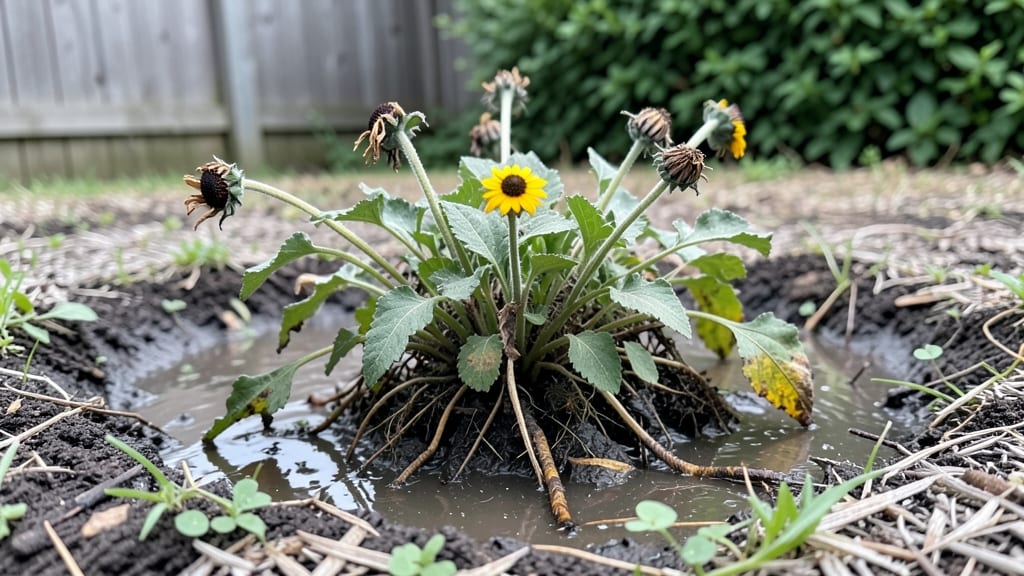
When your garden floods, every minute counts—standing water suffocates roots and invites rot before you can blink. 🌱 I’ve watched entire plantings drown in just 24 hours, but these drainage tricks have saved my beds from soggy soil disasters season after season.
The key isn’t just fixing the mess—it’s stopping the flood before it starts.
Most flooding happens because water has nowhere to go: compacted soil, low spots, or downspouts dumping right onto beds. My first fix? A 5-gallon bucket with holes drilled in the bottom—bury it near problem areas to catch excess water, then empty it later.
For bigger issues, raised beds or berms (mounded soil) redirect flow away from roots. Even a shovel and some sand can improve drainage overnight.
Long-term, French drains (gravel trenches with perforated pipe) work miracles, but they’re overkill for small gardens. Instead, I plant deep-rooted perennials like coneflowers or black-eyed Susans—their roots break up compacted soil naturally. For container gardens, elevated pots with drainage holes prevent waterlogging entirely. The goal? Keep roots breathing, not drowning.
Climate matters—coastal gardeners need deeper solutions than those in flash-flood zones. But every fix starts with one simple check: Where’s the water pooling? Once you know the source, you can outsmart it. Let’s turn your soggy spots into thriving beds.
Understanding Water’s Unwanted Visits
Ever stepped outside to find your once-dry garden transformed into a soggy swamp? 🌧️🌱 Flooding isn’t just a nuisance—it can drown roots, invite pests, and turn your green oasis into a muddy mess. But why does this happen?
The answer lies in a mix of natural forces, poor planning, and even tiny details you might overlook. Let’s break down the real culprits behind water pooling in your garden and how they work against you.
Not all soil is created equal—and some types are downright water-hating. Clay-heavy or compacted soil acts like a sponge that won’t drain, trapping moisture near the surface. Here’s the science:
- Clay particles are tiny and tightly packed, leaving almost no space for water to seep through. A single inch of clay can hold up to 50% of its volume in water, creating a barrier that forces excess water upward.
- Compacted soil (from foot traffic, machinery, or heavy rain) crushes pores, reducing drainage by 30-50%. Think of it like squeezing a wet towel—water has nowhere to go but out.
- Organic matter deficiency: Soil with <1% organic content drains poorly because it lacks the fibrous networks (from decomposed leaves, compost, etc.) that create tiny channels for water.
💡 Pro Tip: Test your soil’s drainage by digging a 12-inch hole, filling it with water, and timing how long it takes to drain. If it’s still wet after 6 hours, you’ve got a clay problem.
Heavy downpours can turn even well-drained gardens into temporary lakes. But why does this happen? It’s not just about the amount of rain—it’s about how your garden handles it:
- Intensity matters: A 1-inch rain in 1 hour is far worse than the same amount spread over 12 hours. Fast rain pounds the soil, preventing absorption and sending runoff racing toward your yard.
- Saturated ground: If your soil is already damp (from previous rains or irrigation), it has zero capacity to absorb more water, turning your garden into a floodplain.
- Lack of slope: Flat or gently sloping gardens act like bowls, collecting water instead of letting it flow away. Even a 1-2% grade (1-2 feet of drop per 100 feet) can make a huge difference in drainage.
🌡️ Science Alert: The U.S. average rainfall rate during storms is 0.5–1.5 inches per hour. If your soil can’t absorb faster than that, you’re in trouble.
Even the best-laid drainage plans fail if they’re ignored or poorly designed. Common mistakes include:
- Clogged drains: Leaves, sediment, and roots can block French drains, gutters, or underground pipes, turning them into water traps instead of escape routes.
- Improper grading: Soil sloped toward your house or garden beds forces water to pool instead of directing it away. (Pro tip: Grade should slope away at a minimum of 6 inches over 10 feet.)
- Missing or broken downspouts: Gutters that dump water directly onto flower beds or lack extensions to divert water 10+ feet away from foundations.
- No swales or berms: These shallow, curved ditches (swales) or raised mounds (berms) can guide water naturally—but only if installed correctly.
✨ Fix It Fast: Clear debris from drains annually and check for sagging gutters, which can misdirect water. A 1-inch gap in downspout placement can reduce runoff impact by 40%.
Automatic sprinklers and drip systems are supposed to help your garden—but they can also overwater it, especially if:
- Controllers are misprogrammed: Running sprinklers for 30+ minutes daily (even on light rain days) saturates soil faster than it can drain.
- Sprinklers spray upward: Wind or improper angles cause water to bounce back into plants instead of soaking the soil evenly.
- Drip lines are too close to plant bases: Water pools around stems, suffocating roots in anaerobic conditions (where oxygen is depleted).
- No rain sensors: Systems that don’t shut off during storms add 20-50% extra water to already soaked soil.
🎯 Smart Move: Upgrade to soil moisture sensors or smart controllers that adjust watering based on real-time conditions. Even a $50 upgrade can cut overwatering by 30%.
Now that you know why your garden’s throwing a water party, the next step is fixing it. Stay tuned for actionable hacks to redirect, absorb, and prevent flooding—so your plants can thrive, not drown! 🚀💦
Fixing Waterlogged Garden Woes
Flooding in your garden can feel like a never-ending battle, but the good news is that most issues have simple, effective fixes.
Below, we’ll break down the most common causes of garden flooding and match them with practical, step-by-step solutions—plus prevention tips to keep your soil happy and your plants thriving.
Cause: Compacted soil, clay-heavy ground, or a lack of slope prevents water from draining away.
How to Fix It:
- 🔥 Loosen the Soil Use a garden fork or tiller to aerate compacted areas. Break up hardpan layers at least 6–12 inches deep to let water seep in naturally.
- 🍳 Build a French Drain Dig a shallow trench (12–18 inches deep) along problem areas, fill it with gravel, and top it with landscape fabric. This redirects water away from roots.
- 👨🍳 Add Organic Matter Mix in compost, peat moss, or sand (for clay soil) to improve drainage. Aim for a 25–50% blend with existing soil.
Prevention Tip: 💡 Test your soil—a simple jar test (fill a jar with soil + water, shake, and observe drainage time) helps gauge how fast water flows through.
Cause: Gutters or downspouts dumping water directly onto garden beds or low-lying areas.
How to Fix It:
- 🔪 Extend Downspouts Use flexible downspout extenders to direct water at least 5–10 feet away from your garden’s edge.
- 🥘 Install a Rain Barrel or Swale Place a rain barrel at the end of downspouts to capture water for later use. Or, create a swale (a shallow, curved ditch) to slow and absorb runoff.
- ⏰ Grade Your Yard Ensure your lawn slopes away from your home and garden (at least 1 inch per 10 feet). Use topsoil to fill low spots.
Prevention Tip: ✨ Check gutters annually—clogs can cause overflow. Clean leaves and debris with a gutter scoop or hose attachment.
Cause: Flat or sunken sections collect water like a bowl, especially after heavy rain.
How to Fix It:
- 🔥 Create a Berm or Mound Pile soil or mulch around the perimeter to elevate the center slightly. This encourages water to flow outward.
- 🍳 Install a Dry Creek Bed Line a shallow trench with river rocks or pavers, leaving gaps for water to filter through. This doubles as a decorative path!
- 👨🍳 Plant Deep-Rooted Species Trees like willows or bald cypress or perennials such as cattails or rush thrive in wet conditions and help absorb excess moisture.
Prevention Tip: 🌡️ Avoid compacting soil further—walk on boards or use stepping stones when working in soggy areas.
Cause: Too much irrigation (or rain) saturates the soil faster than it can drain.
How to Fix It:
- ⏰ Space Out Watering Water deeply but less frequently (e.g., 1–2 times per week) to encourage roots to grow deeper and handle moisture better.
- 🔪 Upgrade Your Irrigation Switch to drip irrigation or soaker hoses—they deliver water slowly at the soil level, reducing runoff.
- 🥘 Mulch Like a Pro Apply 3–4 inches of mulch (wood chips, straw, or pine needles) to slow evaporation and prevent soil compaction.
Prevention Tip: 🎯 Check soil moisture before watering—stick your finger 2 inches deep. If it’s damp, skip the hose!
Final Pro Tip: 🌱 Combine solutions for best results. For example, aerate + install a French drain + mulch = a flood-proof garden in no time. Start small, observe changes, and adjust as needed—your plants will thank you!
Frequently asked questions
How quickly can standing water damage my garden plants?
Most plants start showing stress within 12-24 hours of flooding, but shallow-rooted varieties like lettuce or strawberries may suffer in just 6 hours. Roots need oxygen—when submerged, they suffocate, leading to yellowing leaves and rot within 3-5 days. Act fast by removing excess water and loosening compacted soil.
What’s the cheapest way to fix poor drainage in a small garden?
Start with a $10-$20 solution: Dig small trenches around problem areas, fill them with gravel or coarse sand, then cover with mulch. For containers, add perlite or vermiculite to potting mix (5-10% by volume). These create instant drainage paths without major excavation.
Can I still grow vegetables in flooded soil?
Yes, but choose flood-tolerant crops like sweet potatoes, Swiss chard, or watercress. For others, wait until soil dries to 3 inches deep before replanting. Amend with compost to improve recovery. Avoid heavy feeders (tomatoes, peppers) until drainage improves.
How do I know if my garden has a grading problem?
Look for water pooling in low spots or flowing toward your house after rain. Use a 4-foot level to check slopes—ideal grading should drop 1 inch per 10 feet away from structures. If your yard feels "bowl-like," you’ve got a grading issue that needs correcting.
Will mulch really help with drainage?
A 3-4 inch layer of organic mulch (wood chips, straw) improves drainage by 20-30% over time. It prevents soil compaction, encourages earthworms (natural drainers), and slows water absorption. Just avoid piling mulch against plant stems to prevent rot.