Tools
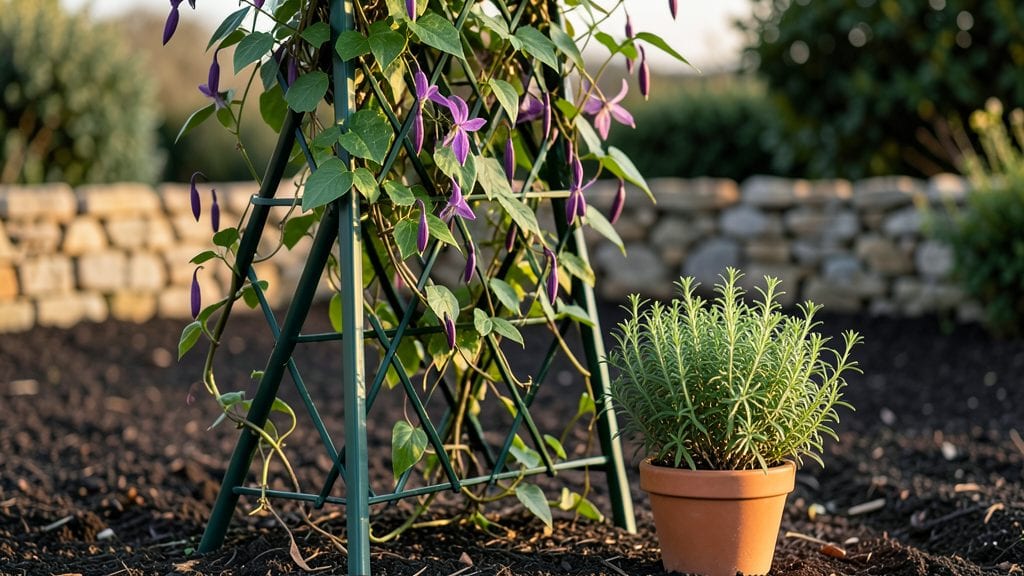
A foldable garden trellis is a space-saving solution for climbing plants like beans, peas, or vines that folds flat for compact storage. Opt for lightweight metal or resin models with expandable heights and sturdy joints to handle seasonal use.
A foldable garden trellis isn't just about saving space—it's about maximizing your garden's potential without sacrificing convenience. 🌿 Lightweight designs make them easy to move around, while expandable heights let you support everything from delicate morning glories to vigorous cucumber vines.
I've found that powder-coated steel models hold up best in windy conditions, while UV-resistant resin options resist cracking under harsh sunlight.
The key is balancing weight capacity with portability—you don't want something so flimsy it collapses under a heavy squash plant, but it should still fold neatly into your shed when not in use.
What really sets these apart is how they integrate into your gardening routine. Many models include built-in hooks or mesh panels that let vines climb naturally while improving airflow—critical for preventing fungal diseases in humid climates.
Plus, the foldable feature means you can store them vertically against a wall or even hang them from a hook, freeing up precious floor space in your garage or basement. For those with limited mobility, some designs even include quick-release mechanisms that make setup a one-person job.
💡 In This Article
- How Foldable Trellis Materials Affect Durability & Plant Growth
- Top Features to Compare in Lightweight Garden Trellises
How foldable trellis materials affect durability & plant growth
The material of your foldable trellis directly impacts how well it supports plants and withstands weather. Powder-coated steel offers the best strength-to-weight ratio, with a tensile strength of 40,000-60,000 psi—enough to handle 20-30 pounds of climbing vines without bending.
The powder coating creates a 0.003-inch-thick protective layer that resists rust and chipping, making it ideal for humid climates where moisture accelerates metal degradation.
UV-resistant resin, on the other hand, provides a lightweight alternative (typically 2-3 pounds per trellis) that won't corrode but may flex under heavy loads. Its polypropylene composition absorbs 90% less UV radiation than untreated plastic, preventing yellowing over 3-5 years of outdoor exposure.
Bamboo, while eco-friendly, has a 15-20% moisture absorption rate, causing it to warp if not properly treated—though it offers natural antimicrobial properties that deter fungal growth on vine surfaces.
The trellis design plays a crucial role in plant health too. Lattice patterns create 1-2 inch gaps that allow better airflow, reducing humidity around leaves and preventing powdery mildew—a common issue with dense mesh designs.
For example, cucumber vines thrive on lattice trellises because their tendrils can wrap around the 0.5-inch thick horizontal slats, while peas prefer the 0.25-inch mesh that lets their tendrils hook through smaller openings.
Durability also depends on joint design. Trellises with ball-and-socket joints (like those in powder-coated steel models) maintain 90° angles even under wind loads up to 25 mph, while simple hinge designs may sag over time.
Resin trellises often use snap-lock mechanisms that resist loosening but can weaken after 50-100 fold cycles—a critical factor if you move yours seasonally.
Consider these material trade-offs for your specific needs:
- Steel: Best for heavy climbers (squash, grapes) but requires 10-15% more storage space when unfolded
- Resin: Lightest option (2 pounds) but may crack in -10°F temperatures
- Bamboo: Natural look with 30% better airflow but needs annual sealing
For maximum plant growth, pair your material choice with a design that matches your climate. In dry regions, mesh trellises reduce water loss through transpiration, while lattice designs work better in humid areas where airflow prevents fungal spores from settling. 🌱