Tools
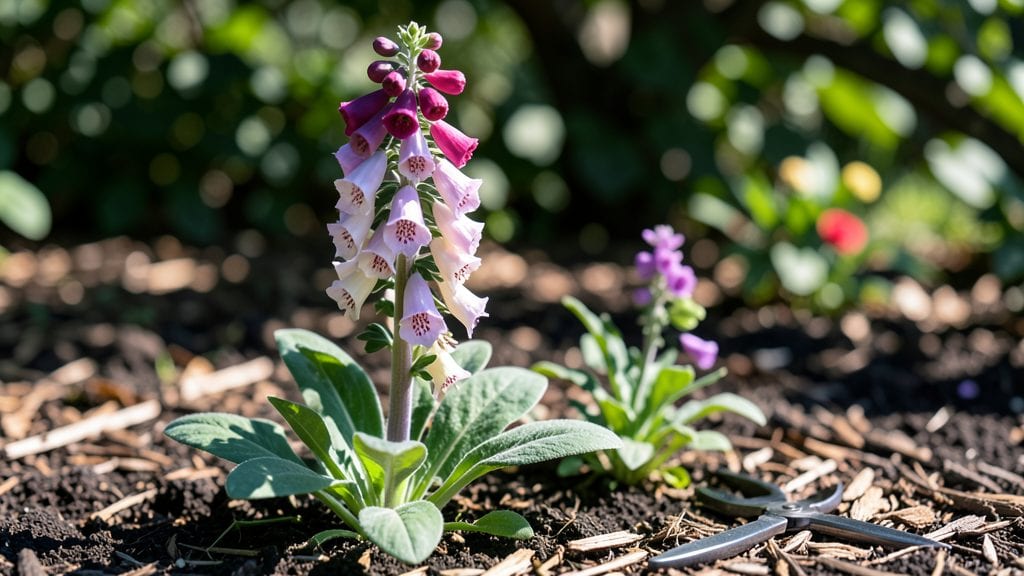
The fox gloves gardening secret that keeps wildlife safe while boosting your garden’s drama. 🌿 These towering beauties with their spotted bells are the showstoppers of cottage gardens—but they demand respect.
I’ve grown them for years, and the key isn’t just planting; it’s understanding their stubborn charm and how to coax them into thriving without harming the bees and butterflies that adore them.
They’re fussier than they look: foxgloves need well-draining soil rich in organic matter, partial shade to prevent flopping, and consistent moisture—but not soggy roots. The real magic happens in late spring planting, when the soil warms to 60°F, and they’ll reward you with 5-foot-tall spires by summer.
Prune spent blooms in early fall to encourage next year’s growth, and save those seeds—they self-sow like crazy (sometimes too much).
What you’ll end up with is a hummingbird magnet, their throats deep enough to protect pollinators from predators. The foliage stays lush until frost, and if you deadhead regularly, you’ll get second flushes of blooms in late summer.
The trade-off? They’re toxic to pets and humans—so keep them where curious kids (and dogs) can’t snack.
Works best in USDA zones 3-9, though they’ll bolt in hot summers—so provide afternoon shade in zones 8-9. Pair them with ferns, asters, or columbines for a woodland-edge feel. Here’s how to make them perform without the drama.
📚 In This Guide
- What you need
- Instructions
- Tips and common mistakes
- Wrapping up and next steps
What you need
- ● Foxglove seeds: 1 packet (50–100 seeds) or 3–5 nursery-grown seedlings (for faster results). Choose heirloom varieties like 'Pam’s Choice' or 'Excelsior' for pest resistance.
- ● Well-draining soil: Mix 2 parts garden soil with 1 part compost or peat moss. Foxgloves thrive in slightly alkaline to neutral pH (6.5–7.5).
- ● Organic fertilizer: 1 cup of balanced 10-10-10 or a low-nitrogen option (e.g., fish emulsion) to avoid leggy growth.
- ● Mulch: 2–3 inches of shredded bark or straw to retain moisture and suppress weeds.
- ● Garden trowel: For transplanting seedlings or sowing seeds.
- ● Garden fork: To loosen soil before planting (foxgloves prefer deep, aerated soil).
- ● Watering can or hose with a gentle spray nozzle: Foxgloves dislike soggy roots—water deeply but infrequently.
- ● Pruning shears: To deadhead spent blooms and encourage reblooming.
- ○ Gloves (optional): Foxglove leaves contain cardiac glycosides—wear gloves if handling large quantities to avoid skin irritation.
- ● Companion plants: Marigolds or lavender to repel pests naturally.
- ● Stakes or rings: Tall foxgloves (up to 5 feet!) may need support in windy areas.
- ● Shade cloth (30–50% coverage): For hot climates to protect seedlings.
- ● Humane pest deterrents: Neem oil spray (diluted) or insecticidal soap for aphids only—avoid harming pollinators!
Step-by-step guide to planting and maintaining foxgloves for natural pest deterrence
Here's how to cultivate these striking biennials while keeping your garden thriving and wildlife safe.
🌱 Step 1: Select the Perfect Planting Location
Foxgloves thrive in partial shade, making them ideal for woodland edges or under tall trees where other plants struggle. Choose a spot with well-draining soil—they hate soggy roots, which can lead to rot. I dig a hole twice as wide as the root ball but only slightly deeper, then mix in a handful of compost to boost fertility without overwhelming the plant.
This is the moment that matters: if your soil is heavy clay, amending with 1 part perlite to 3 parts garden soil prevents waterlogging. You'll see the difference in just a few weeks—stronger stems and fewer yellowing leaves. Space plants 18-24 inches apart to allow air circulation, which reduces fungal diseases like powdery mildew.
💧 Step 2: Water Deeply and Establish a Consistent Routine
After planting, water deeply until moisture reaches 6 inches down. Foxgloves establish slowly, so keep the soil consistently moist but never waterlogged—this is critical for their first 2-3 weeks while roots develop. I use a soaker hose to avoid disturbing the soil surface, which can dislodge tender new growth.
Real talk: Overwatering is the biggest mistake beginners make. You'll know you're doing it right when the soil feels damp 2 inches below the surface but not saturated. Once established, foxgloves tolerate drought surprisingly well, but young plants need steady moisture to prevent wilting.
☀️ Step 3: Provide Light and Fertility for Strong Growth
While foxgloves prefer partial shade, they still need at least 4 hours of morning sun to prevent leggy growth. I position mine where they get dappled sunlight—bright but not scorching. In their second year, they’ll send up those iconic flower spikes, which need moderate fertility to thrive.
Apply a balanced 10-10-10 fertilizer in early spring, following label rates. Too much nitrogen leads to lush foliage but few flowers, so I hold off on heavy feeding. Instead, I top-dress with compost in late summer to support next year’s blooms. Watch for the first flush of flower buds in early summer—that’s your signal to reduce watering slightly to encourage stronger stems.
✂️ Step 4: Deadhead and Maintain for Continuous Blooms
Deadheading spent blooms extends the flowering season and prevents self-seeding, which can become invasive. I snip off faded flower spikes just above the next set of buds with clean pruners. This encourages the plant to redirect energy into new growth rather than seed production.
In late fall, cut back the foliage to 6 inches tall and mulch with 2-3 inches of shredded leaves to protect the crown over winter. Foxgloves are biennials, so they’ll return stronger in their second year if given proper care. You’ll notice new rosettes forming in early spring—that’s your cue to remove any dead or damaged leaves to make room for fresh growth.
🪴 Step 5: Prevent Pests Without Harming Wildlife
Foxgloves naturally repel many pests, but aphids and slugs can still be an issue. I avoid chemical sprays entirely—foxgloves are toxic if ingested, and I refuse to risk harming pollinators or other wildlife. Instead, I handpick aphids with a damp cloth or introduce beneficial insects like ladybugs.
For slugs, I create a barrier of crushed eggshells or diatomaceous earth around the base of plants. The sharp edges deter slugs without killing them, keeping your garden safe for all creatures. If you notice chewed leaves, check for slug trails at night with a flashlight—this is the best way to catch them before they do serious damage.
Tips & tricks for perfect foxglove cultivation
These key strategies will help you grow thriving foxgloves that naturally deter pests while keeping your garden ecosystem balanced.
Soil Preparation Secret: Before planting, conduct a simple moisture test by digging a small hole and filling it with water. If the water drains within 10 minutes, your soil is well-draining. If not, amend with additional perlite or coarse sand to improve drainage—this step prevents the root rot that often plagues foxgloves in heavy soils. I always test my garden beds this way, especially in clay-heavy areas where foxgloves struggle most.
Watering Wisdom: The first 2-3 weeks after planting are critical for root establishment. I set a timer for morning watering to ensure consistent moisture without overwatering. Use your finger to check soil dampness—it should feel like a wrung-out sponge at 2 inches deep. Overwatering causes the yellowing leaves that signal distress, while proper moisture leads to sturdy stems ready for their second-year bloom.
Light Balance Technique: Foxgloves need that delicate balance of partial shade and morning sun. I place mine where they receive dappled sunlight through tree canopies—this mimics their natural woodland habitat. If your garden has full sun areas, position foxgloves where they get morning sun but afternoon shade. The difference in plant vigor is noticeable within weeks, with properly placed plants developing stronger stems and more abundant blooms.
Winter Protection Strategy: In colder climates, extend winter protection by adding an extra 1-2 inches of mulch after the initial 2-3 inches. I use a mix of shredded leaves and straw for insulation, which prevents crown damage from freeze-thaw cycles. This simple layering makes all the difference in ensuring robust regrowth the following spring.
Pro Tips for Fox Gloves Gardening
- These key strategies will help you grow thriving foxgloves that naturally deter pests while keeping your garden ecosystem balanced.
- Soil Preparation Secret: Before planting, conduct a simple moisture test by digging a small hole and filling it with water.
- Watering Wisdom: The first 2-3 weeks after planting are critical for root establishment.
Frequently asked questions
Got questions about using foxgloves for gardening?
You’re not alone! Here are some of the most common concerns—plus straightforward answers to help you protect your plants and local wildlife.
Are foxgloves safe for bees and other pollinators?
Foxgloves (Digitalis purpurea) are toxic to bees and butterflies—their nectar contains cardiac glycosides that can harm pollinators. While they’re stunning in gardens, opt for bee-friendly alternatives like bee balm (Monarda) or lavender (Lavandula) to support local ecosystems. If you love foxgloves, plant them away from pollinator-friendly areas.
When is the best time to plant foxgloves for maximum protection?
For humane pest deterrence, plant foxgloves in early spring or early fall (after the last frost). This gives roots time to establish before pests like slugs or deer arrive. Avoid planting in summer heat, as foxgloves prefer cooler temperatures. Pro tip: Deadhead spent blooms to encourage a second flush of flowers—just wear gloves!
Will foxgloves really keep deer and rabbits away?
Foxgloves are mildly deer- and rabbit-resistant due to their bitter taste, but they’re not foolproof. Deer may nibble young seedlings, while rabbits might avoid mature plants. For better protection, combine foxgloves with physical barriers (like chicken wire) or plant them alongside stronger deterrents like alliums or daffodils.
Can I use foxgloves as a natural slug or snail repellent?
Yes! Foxgloves’ bitter foliage discourages slugs and snails, but they’re not a cure-all. For extra slug control, create a beer trap (bury a shallow dish of beer) or handpick pests at night with a flashlight. Warning: Avoid ingesting foxglove sap—it’s toxic to pets and humans. Wear gloves when handling!
What are some non-toxic alternatives to foxgloves for gardening?
If you want humane pest protection without harming wildlife, try these bee-friendly and safe plants:
- Lavender – Repels deer and moths while attracting pollinators.
- Marigolds – Deter nematodes and rabbits with their strong scent.
- Garlic chives – Naturally repel pests like aphids and deer.
- Russian sage – Deer-resistant and drought-tolerant.
Wrapping up and next steps
Gardening with foxgloves offers a natural, humane way to protect your plants while supporting wildlife—no harsh chemicals needed! 🌿 These striking flowers not only deter pests but also add beauty to your garden. Whether you're a seasoned gardener or just starting, foxgloves are a fantastic, low-maintenance choice.
Ready to give it a try? Start by planting foxgloves in your garden this season and watch your plants thrive—naturally and safely. Happy gardening! 🌸